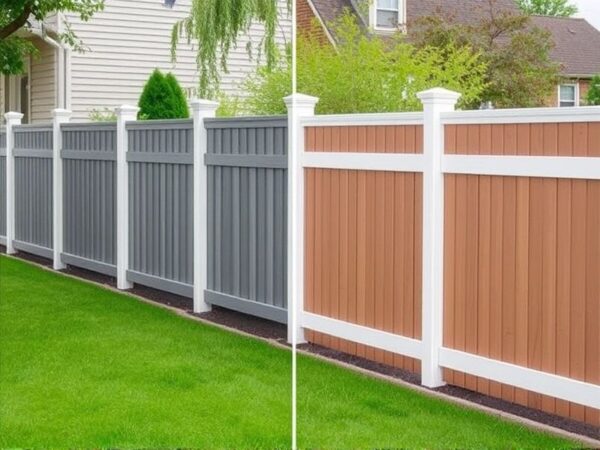
Composite Fencing vs Vinyl: What’s Better for Your Backyard?
Let’s be honest – choosing fencing materials isn’t exactly a thrill ride. But get it wrong, and you’ll be stuck with peeling, warping, or fading barriers that make your property look like a home improvement fail video. Today we’re breaking down the composite vs vinyl fencing debate in plain English, no marketing jargon allowed.
The Ingredients Matter
Imagine baking a cake with sawdust versus plastic pellets. That’s kinda the difference here. Composite fencing blends wood fibers with recycled plastics – think grocery bags and milk jugs getting a second life. Vinyl’s basically PVC plastic with some UV inhibitors mixed in. The result? Composites feel more like real wood (minus the splinters), while vinyl’s that smooth plastic feel some folks love or hate.
Installation: Where Your Wallet Feels It
Here’s where things get spicy. Vinyl panels usually slide into pre-set posts – handy for DIYers with a free weekend. Composites? They’re heavier and often need professional installation. I’ve seen projects where composite fencing costs 20% more upfront when you factor in labor. But wait – one client in Texas saved money long-term because their composite fence survived three hailstorms that would’ve turned vinyl into confetti.
The Maintenance Tango
Remember that friend who bought a wood fence and now spends every summer staining it? Neither material needs that drama. Vinyl just needs a hose-down, while composites might want a scrub with soapy water once a year. Watch out though – cheaper vinyl can get chalky looking after a few years, while composites sometimes fade unevenly if they’re in blazing sun all day.
Weather Wars: Heat, Cold & Hurricanes
In Arizona’s 115°F summers, vinyl can get soft enough to leave fingerprints. Composites hold up better in extreme heat but might expand enough to warp slightly. For coastal areas? Salt air eats through cheap vinyl in about 5 years, while composites with UV protection can go 15+ years. Pro tip: Look for materials with “full-cap” coating – it’s like sunscreen for your fence.
Looks That Last (or Don’t)
Vinyl’s color runs through the entire panel, so scratches barely show. Composites offer wood-grain textures but might need color refreshing after a decade. Funny story – a client once picked composite to match their cedar deck, only to realize the deck faded faster than the fence! Nowadays, both materials come in surprisingly natural-looking shades beyond that awful “prison white.”
Real People, Real Choices
Take the Johnsons – they went vinyl for their pool area because the smooth surface doesn’t snag swimsuits. Then there’s Maria, who chose composite fencing to match her modern farmhouse style. “I wanted something that looked like wood but wouldn’t rot when the snow piles up,” she told me. Both swear they made the right call, proving there’s no one-size-fits-all answer.
Eco-Scorecard
Vinyl’s recycling programs are spotty – most ends up in landfills. Composites use recycled content but can’t be recycled again easily. If sustainability’s your jam, look for manufacturers using plant-based polymers. Bonus points if they offer take-back programs – though these are still rare outside California.
What’s Hot Right Now
Dark charcoal fences are having a moment, hiding dirt better than white. Textured composites mimicking reclaimed wood are flying off shelves. And get this – some vinyl makers now offer faux-rustic finishes that actually look decent. Who knew plastic could be trendy?
Expert Picks by Climate
• Humid zones: Composite with mold inhibitors
• Freeze-thaw regions: Vinyl with flexible posts
• Fire-prone areas</strong: Check fire ratings – some composites outperform vinyl
• Urban spaces: Noise-reducing composite panels worth the splurge
The Final Verdict
If you’re the “set it and forget it” type, vinyl’s low maintenance wins. But if you want something that ages gracefully and can handle weather beatings, composite’s your material. Either way, don’t cheap out – that $2/foot vinyl special will haunt you faster than a bad tattoo.
| Feature | Composite | Vinyl |
|---|---|---|
| Upfront Cost | $$$ | $$ |
| Lifespan | 20-25 years | 15-30 years |
| DIY Friendly? | Not really | Yes |
Pro Tip: Check local building codes! Some HOAs have weird rules about fence materials. And whatever you choose, get samples and leave them outside for a month – you’ll see how they’ll really weather in your yard.


Reviews
There are no reviews yet.