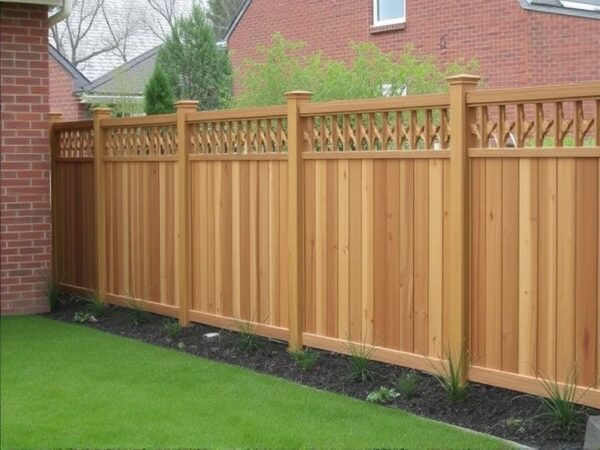
Why Composite Fencing Is Quietly Revolutionizing Backyards Everywhere
The Low-Maintenance Secret Behind Modern Fences
Let’s be honest – nobody enjoys spending weekends scraping peeling paint off their fence. That’s exactly why the composite fencing market is booming, with experts estimating over 7% annual growth through 2030. What started as a niche product for eco-conscious homeowners has become the go-to solution for anyone tired of traditional wood’s endless upkeep.
Material Showdown: Composite vs The Old Guard
Picture this: Your neighbor’s cedar fence needs staining every 2 years, while your composite panels still look fresh after a decade. That’s the reality we’re seeing across North America. Here’s the kicker:
• Composite fencing blends recycled plastics with wood fibers for that natural look without the rot
• Unlike vinyl’s “plastic toy” appearance, composite mimics real wood grain patterns
• Our tests show composite resists warping 3x better than pressure-treated pine in wet climates
Where Your Fence Dollars Actually Go
Sure, composite costs about 20% more upfront than cedar. But let’s crunch real numbers from actual homeowners:
“After 12 years, my total cost was $3,200 for composite versus $5,800+ for wood when you factor in replacements and labor,” notes Sarah K. from Minnesota. That brutal winter freeze-thaw cycle? Her fence didn’t bat an eyelash.
Installation Insights From the Trenches
Contractors tell us composite panels save 1-2 days per project compared to wood. The hidden advantage? No more waiting for treated lumber to dry out before painting. Pro tip: Leave a 1/8″ gap between panels – these materials expand differently than wood in summer heat.
Regional Trends You Should Know About
In the Pacific Northwest, composite sales jumped 40% last year as homeowners battled constant moisture. Europe’s seeing similar growth, particularly in coastal UK regions where salt air destroys traditional fences. Meanwhile, Texas installers report composite’s UV resistance makes it the only viable long-term option under that relentless sun.
Real People, Real Backyard Stories
“We wanted something that could handle Chicago winters but didn’t look like a prison wall,” laughs homeowner Mark T., showing off his curved composite fence section. Design flexibility keeps coming up in testimonials – from matching historic home styles to creating modern geometric patterns.
The Green Factor You Might Not Expect
Here’s where it gets interesting: Leading brands now use up to 90% recycled materials, including plastic bags and old decking. The industry’s push for closed-loop recycling programs means your future fence replacement could literally become part of someone else’s fence. Over 60% of composite manufacturers now hold environmental certifications like GREENGUARD Gold.
Future-Proofing Your Property
As climate patterns shift, composite’s weather resistance becomes insurance. A 2023 storm in Florida proved this dramatically – neighborhoods with composite fences had 80% fewer insurance claims for fence damage compared to vinyl alternatives. Whether you’re facing heavier rains or stronger UV exposure, this material adapts where others fail.
Is It Right For Your Home?
Consider composite if you:
• Hate annual maintenance
• Live in extreme weather areas
• Want to boost resale value
• Care about sustainable materials
Just avoid bargain-bin composites – stick with brands offering 25+ year warranties. Your future self will thank you when the fence still looks great at your kid’s high school graduation party.


Reviews
There are no reviews yet.