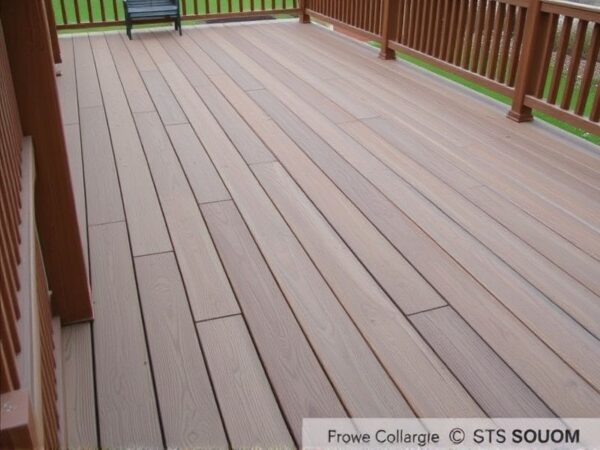
Composite Decking Squares: Your Low-Maintenance Outdoor Solution
Why Your Backyard Deserves These Game-Changers
Let’s talk about that deck project you’ve been dreaming about. You know what’s worse than splinters and warped boards? Finding termites chewing through your investment. That’s where composite decking squares come in – they’re like the superhero version of traditional wood decking. Made from a smart blend of recycled plastics and wood fibers, these interlocking tiles laugh in the face of rot, insects, and that annoying fading problem you get with regular decking.
The Secret Sauce in These Tiles
What makes these squares so tough? Imagine recycling about 60% of your plastic milk jugs and mixing them with sawdust from furniture factories. That’s essentially the magic recipe. The plastic acts as armor against moisture, while the wood fibers keep things looking natural. Unlike regular wood that needs seasonal staining, these composite squares keep their color surprisingly well – we’re talking about 80% color retention even after several years of full sun exposure.
Installation That Won’t Make You Sweat
Remember that time you tried assembling furniture with unclear instructions? Composite decking squares are the complete opposite. The interlocking system works like puzzle pieces – click them together and you’re golden. Hidden fasteners mean no visible screws ruining your clean look. Most DIYers can handle a small deck installation over a weekend, especially since you don’t need special tools beyond basic saws and drills.
Head-to-Head: Composite vs. Traditional Materials
Let’s break it down real quick. Traditional wood might look good initially, but come back in two years and you’ll see staining, warping, and maybe some moss growing. Composite squares? They’ll look about 90% as good as day one with just occasional soapy water cleaning. Price-wise, you’ll pay about 20% more upfront than pressure-treated wood, but save hundreds in maintenance costs over 5-7 years.
| Feature | Composite Squares | Pressure-Treated Wood |
|---|---|---|
| Lifespan | 25+ years | 10-15 years |
| Annual Maintenance | 1-2 hours | 10+ hours |
| Slip Resistance | Textured surface | Requires additives |
Where These Squares Really Shine
Picture this: Your neighbor’s wooden deck by the pool is always slippery and splintery. Your composite squares? Still looking sharp with that subtle woodgrain texture that’s gentle on bare feet. They’re perfect for busy restaurants’ outdoor seating areas – no worrying about spilled drinks staining the surface. I’ve even seen them used on rooftop gardens where weight and weather resistance really matter.
Keeping Up Appearances
Here’s the best part – maintenance is a breeze. Spill some red wine? Wipe it up whenever. No need to panic. Twice a year, give them a scrub with a soft brush and mild detergent. Avoid pressure washers though – they’re like kryptonite to the surface texture. If you’re in a snowy area, plastic shovels work better than metal ones to prevent scratches.
Eco-Friendly Without the Granola Crunch
Let’s talk green credentials without getting preachy. Each 100 sq.ft. of composite decking uses about 2,000 recycled plastic bottles. They won’t end up in landfills either – at end of life, manufacturers can actually recycle the material again. Compared to tropical hardwoods that contribute to deforestation, this is a no-brainer for environmentally conscious homeowners.
Color Choices That Actually Last
Gone are the days of boring gray composite. Modern options include rich espresso browns, warm cedar tones, and even trendy gray-weathered finishes. The color isn’t just a surface coat – it’s baked right through the material. So when your kid drags patio furniture across it, there’s no ugly scratch revealing a different color underneath.
When You Might Want to Think Twice
Now, I’m not saying composite decking squares are perfect for every situation. If you’re going for that authentic reclaimed wood look, you might be disappointed. They also get warmer than natural wood in direct sunlight – not scorching hot, but noticeable in desert climates. And while installation is easier, complex patterns might still require professional help.
Pro Tips From the Trenches
Having installed these for clients from Maine to Arizona, here’s my insider advice: Buy 10% extra for cutting waste. Use spacers between tiles in humid climates – that tiny gap prevents buckling. And don’t forget to check local building codes – some areas have specific requirements for decking materials near property lines.
The Verdict: Worth the Hype?
If you’re tired of annual deck maintenance and want something that looks great year-round, composite decking squares are absolutely worth considering. They’re not the cheapest option upfront, but think of it as paying for future free weekends instead of staining and repairing. Whether you’re updating a small balcony or designing a resort-style backyard, these versatile tiles deliver on both style and substance.



Reviews
There are no reviews yet.