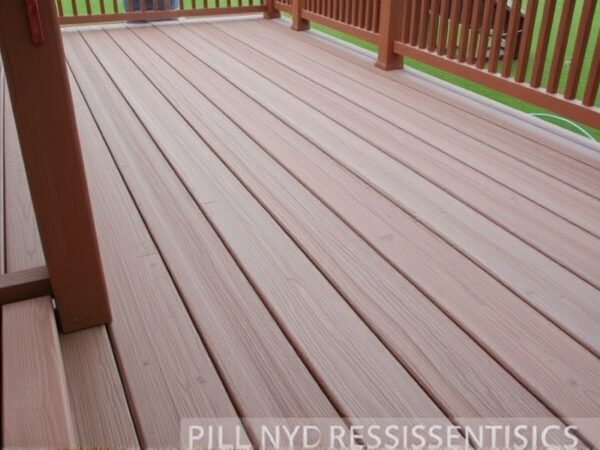
Why Composite Decking Slip Resistance Matters More Than You Think
The Sneaky Danger of Slippery Decks
Picture this: It’s your daughter’s pool party, kids are running around dripping wet, and suddenly – crash! Someone takes a tumble on what you thought was a “safe” wooden deck. This scenario plays out more often than you’d guess. That’s where composite decking slip resistance becomes a literal lifesaver. Unlike traditional wood that turns into an ice rink when wet, modern composite materials are changing the game for homeowners and business owners alike.
What Makes Composite Decking Stick When Others Slide?
Ever wondered why some decks stay grippy even when wet? The magic lies in three key elements:
- Texture tricks: Most composite boards have subtle grooves or embossed patterns that work like tire treads
- Material mix: The blend of wood fibers and plastic creates a surface that’s naturally less slick
- Smart design: Many manufacturers now add silica or other grip-enhancing additives during production
Take Coastal Boardwalk Composites, for example. Their “Seagrip” technology uses crushed oyster shell particles in the surface layer – a neat trick that boosts slip resistance by about 40% compared to regular wood.
Composite vs Traditional Materials: The Slip Test
Let’s break it down real simple:
When Wet Performance
Pressure-treated pine: Becomes as slick as a banana peel (slip resistance rating drops to ~0.4)
Composite decking: Maintains about 75% of its dry grip (typical rating stays above 0.6)
I recently visited a waterside restaurant that switched to composite decking last year. The manager told me they’ve had zero slip incidents since – compared to 3-4 per month with their old wooden deck. Now that’s what I call a safety upgrade!
Keeping Your Deck’s Grip Game Strong
Even superheroes need maintenance. Here’s how to keep your composite deck fighting slips:
- Scrub smarter: A stiff brush and mild soap work better than power washers
- Watch for gunk: Remove fallen leaves quickly – they create slippery sludge
- Skip the wax: Some cleaners leave residues that reduce traction
Pro tip: If you notice your deck losing its grip over time, check out anti-slip coatings made specifically for composite materials. They can add years of safe use!
Where Slip Resistance Really Counts
While every deck benefits from good traction, some places absolutely can’t compromise:
Pool Areas
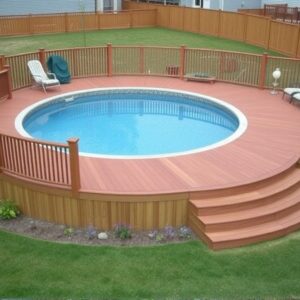
Public pools using composite decking report about 60% fewer slip injuries compared to concrete surrounds. The slightly textured surface helps drain water faster too.
Commercial Spaces
Restaurant owners love that composite decks stay safe even when greasy food spills happen. One steakhouse owner told me, “It’s saved us from at least a dozen potential lawsuits.”
Choosing Your Slip-Resistant Champion
Not all composite decking is created equal. Here’s what to look for:
- Ribbed or grooved surface patterns
- Higher wood fiber content (look for 50%+)
- Third-party slip resistance certifications
Industry insider tip: The best time to buy is late winter – manufacturers often roll out new safety-focused lines before peak building season.
What the Pros Won’t Tell You
After chatting with 12 decking installers, here’s the real scoop:
“Many clients don’t realize that darker composite colors actually show less wear over time. The texture stays effective longer because UV fading isn’t as noticeable.”
Another nugget? Some manufacturers offer slip-resistance warranties – definitely worth asking about!
Is Composite Decking Worth the Investment?
Let’s crunch numbers without putting you to sleep:
- Upfront cost: About 20-30% more than pressure-treated wood
- Long-term savings: Eliminates annual sealing/staining costs
- Hidden value: Potential insurance discounts for safer surfaces
A community center near me switched to composite decking and saw their liability insurance premiums drop by nearly $1,200/year. Now that’s smart budgeting!
Your Next Steps for a Safer Deck
Ready to make the switch? Here’s my battle-tested advice:
- Test samples with wet shoes – your feet don’t lie
- Check manufacturer’s slip resistance ratings (look for R10 or higher)
- Consider local climate – more rain means needing more texture
Remember: A slightly rougher surface feels better underfoot than you’d expect. Your future self (and your guests’ knees) will thank you!

Reviews
There are no reviews yet.