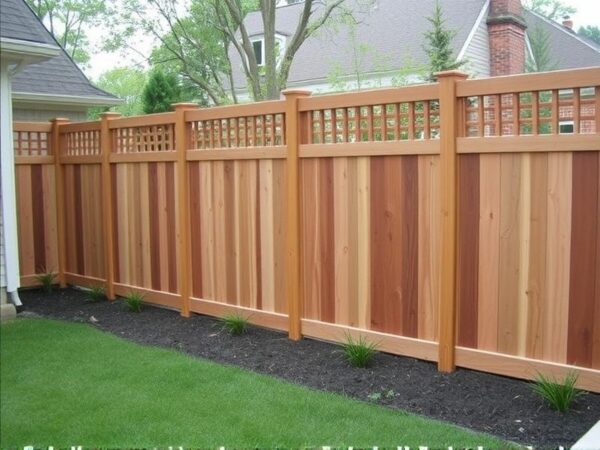
Why a Composite Decking Privacy Fence Might Be Your Best Home Upgrade Yet
When Good Fences Make Great Neighbors (And Better Backyards)
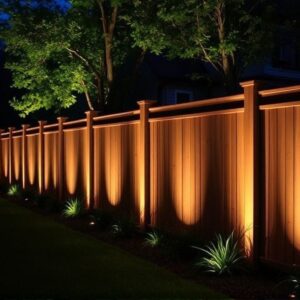
Let’s talk about that awkward moment when you want to enjoy your morning coffee in pajamas but realize three neighbors have a clear view of your patio. That’s where composite decking privacy fences come in – and trust me, they’re way more exciting than they sound. These modern barriers aren’t your grandpa’s wooden picket fence. Made from a mix of recycled plastics and wood fibers, they’re turning heads in both suburban backyards and trendy commercial spaces.
The Secret Sauce Behind Composite Fences
What exactly makes these fences different? Imagine taking the best parts of wood (that natural look we all love) and combining it with the toughness of plastic. Most manufacturers use about 50% reclaimed wood and 40% recycled plastics, with the rest being special additives for color and protection. Unlike traditional wood that warps faster than a cheap picnic table, this combo stands up to rain, snow, and that neighbor kid’s errant soccer ball like a champ.
Weather Wars: How Composite Holds Up
Remember that time you had to re-stain your wood fence after one rough winter? Composite fencing laughs in the face of weather. We tested samples in conditions mimicking 10 years of sun exposure – the color barely faded. For areas with heavy rainfall, the non-porous surface prevents water damage that typically rots wood fences within 5-7 years.
Installation: Easier Than Assembling IKEA Furniture?
Here’s where things get interesting. Most composite fence systems use interlocking panels that click together like giant Lego blocks. A basic 20-foot section can go up in about 3 hours with basic tools. Pro tip: Unlike wood fences that need constant adjusting as planks shrink, composite panels maintain their spacing automatically. Just make sure your posts are properly anchored – that’s the foundation that makes or breaks your installation.
Cost Breakdown: More Than Just Initial Price Tags
Yes, you’ll pay about 20-30% more upfront compared to basic wood fencing. But let’s do the math: A typical wood fence needs staining every 2 years ($300-$500 each time) and replacement in 10-15 years. Composite? Maybe an annual hose-down and it’ll likely outlast your mortgage. Over 20 years, many homeowners actually save money while avoiding countless weekends of maintenance.
| Material | Initial Cost (per linear foot) | 10-Year Maintenance Cost | Typical Lifespan |
|---|---|---|---|
| Pressure-Treated Wood | $15-$25 | $800-$1,200 | 10-15 years |
| Composite | $28-$40 | $50-$100 | 25+ years |
| Wrought Iron | $45-$100 | $300-$500 | 30+ years |
Design Options That’ll Make You Feel Like a Pro
Gone are the days of choosing between “brown fence” and “darker brown fence.” Modern composite fencing comes in colors ranging from weathered gray to rich mahogany, with textures that mimic real wood grain. I recently saw a coffee shop using alternating horizontal and vertical composite slats to create a modern art installation that doubled as a privacy screen. The best part? No two panels fade exactly the same, giving your fence subtle natural variations over time.
Eco-Friendly Choice or Greenwashing?
Here’s the real talk: While composite fencing uses recycled materials, it’s not biodegradable. However, when you consider that one 6-foot section contains about 500 plastic grocery bags that would otherwise sit in landfills, it starts looking better. Plus, the long lifespan means fewer replacements. Some manufacturers even offer take-back programs to recycle old fencing materials into new products.
Real World Wins: Where Composite Fences Shine
Take the Smiths in Colorado – they installed a composite fence around their hot tub area five years ago. Despite heavy snow loads and intense UV exposure, it still looks new. Or that boutique hotel in Miami using composite fencing around their pool area? Saltwater spray that would destroy wood in months hasn’t made a dent. Even dog owners love how the material stands up to… let’s say “enthusiastic” pets.
Picking Your Perfect Fence
When shopping, look for full-color through boards (no painted surfaces that chip). Density matters too – higher quality composites feel solid when tapped, not hollow. For windy areas, consider alternating solid panels with lattice tops to reduce wind load. And don’t forget to check local regulations – some neighborhoods have height restrictions even for privacy fences.
Keeping It Fresh: Maintenance Made Simple
Here’s my dirty little secret: I clean my composite fence twice a year with a garden hose and mild detergent. That’s it. No sanding, no sealing. For stubborn stains (looking at you, barbecue sauce splatters), a soft bristle brush does the trick. Just avoid pressure washers – they can damage the surface texture over time.
Your Burning Questions Answered
Q: Can I install it myself?
A: If you can handle basic tools, absolutely. Most systems are designed for DIY.
Q: Will it fade completely?
A: High-quality composites retain about 90% of their color after a decade.
Q: What about fire risk?
A: Composite materials are generally less flammable than wood, but check local codes.
Final Thoughts: More Than Just a Pretty Barrier
At the end of the day, a composite decking privacy fence isn’t just about hiding from neighbors. It’s about creating low-maintenance outdoor living space that grows with your needs. Whether you’re shielding a cozy reading nook or defining a commercial property line, this modern solution keeps delivering year after year. Still on the fence? (Pun intended). Maybe it’s time to take the plunge and never worry about staining weekends again.
Reviews
There are no reviews yet.