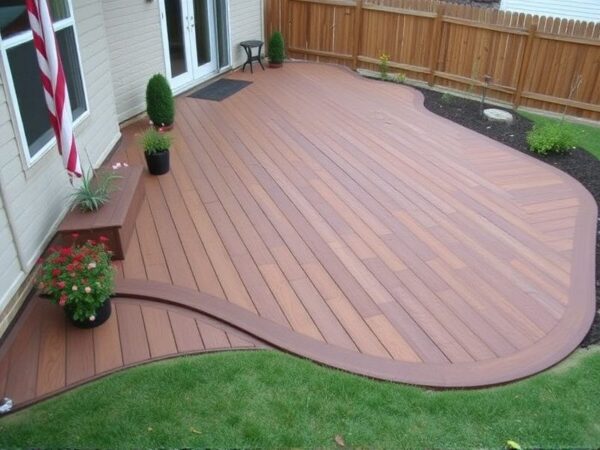
Composite Decking Over Concrete Patio: The Smart Upgrade Your Backyard Deserves

Why Tear Up That Old Concrete? Save Money by Building On Top
Ever wish your patio could look brand new without breaking the bank? Here’s a secret most contractors won’t tell you: that cracked concrete slab you’ve been staring at for years might actually be your ticket to an affordable outdoor makeover. Composite decking over concrete patios is like giving your backyard a facelift without the messy demolition.
Let’s face it—concrete patios aren’t exactly known for their charm. But tearing them up costs a small fortune (we’re talking $8-12 per square foot just for removal!). By using the existing slab as your base, you’re already saving enough money to splurge on those fancy LED deck lights you’ve been eyeing. I’ve seen homeowners cut their project costs by 40-60% compared to full replacements.
The Mold Battle: How Composite Outsmarts Traditional Wood
Remember how your neighbor’s wood deck started growing fuzzy green patches last summer? With composite materials, those days are history. Modern deck boards contain up to 95% recycled materials (think plastic bags and sawdust) that laugh in the face of moisture. Unlike wood that warps and rots, composite stays smooth and stable even when your patio becomes a temporary kiddie pool after heavy rains.
Here’s a quick comparison from my last project:
| Feature | Composite | Pressure-Treated Wood |
|---|---|---|
| Warranty Against Rot | 25+ years | 5-10 years |
| Annual Maintenance Cost | $0-50 | $200-400 |
| Slip Resistance When Wet | Textured surface | Becomes slick |
Installation Showdown: Floating vs Anchored Systems
Now here’s where things get interesting. For DIY warriors, floating deck systems are like the LEGO of patio upgrades—snap-together boards resting on foam pads. It’s perfect if you want something you can finish over a weekend. But if you’re dealing with serious slope issues (more than 1″ per 4 feet), anchored systems with adjustable pedestals become your new best friend.
Pro tip: I always recommend leaving at least 1/4″ gaps between boards. That little breathing room prevents the “bouncy castle effect” during temperature swings. And don’t forget about drainage! Even the best composite decking needs proper water escape routes to keep your concrete base happy underneath.
Design Magic: From Drab Concrete to Instagram-Worthy Oasis
This is where composite decking really shines. Want a patio that looks like tropical hardwood but feels like smooth granite? No problem. Modern manufacturers offer everything from rich espresso tones to weathered gray finishes—some even with realistic wood grain textures that’ll fool your mother-in-law.
Last month, I helped a client combine three different composite tones to create a checkerboard pattern over their 1980s concrete slab. The result? Their backyard went from “meh” to magazine-worthy without moving a single piece of existing concrete.
Maintenance Wars: Composite vs Concrete
Let’s do a quick reality check. Bare concrete needs power washing every spring and develops cracks over time. Composite decking? A quick sweep and occasional soapy water rinse keeps it looking fresh. No more scrubbing oil stains or patching crumbling edges!
From my experience, most homeowners are thrilled when they realize they’re trading annual concrete repairs for occasional light cleaning. The real savings kick in after about 3-5 years when you’re not constantly buying sealants or patching compounds.

Going Green Without the Guilt
Here’s something cool—every square foot of composite decking contains about 200 plastic grocery bags that would otherwise choke landfills. Manufacturers are now making boards with up to 100% recycled content. Plus, by reusing your concrete base, you’re keeping tons of construction debris out of local dumps.
Fun fact: A typical 400 sq.ft composite deck installation saves enough concrete waste to fill an entire dumpster. That’s eco-friendly math even my numbers-hating cousin can appreciate!
Slope Secrets: Keeping Your Deck High and Dry
Water management is the unsung hero of successful installations. Even if your concrete looks flat, grab a 4-foot level to check for subtle slopes. You’ll want at least 1/4″ of drop per foot away from your house. If your slab slopes toward the foundation? Time to break out those adjustable pedestals or consider a strategic drainage channel.
Trust me—this step is non-negotiable! I once saw a beautiful deck ruined because water pooled under the boards, creating a perfect mosquito breeding ground. A few hours of proper planning saves years of headaches.
Is Composite Over Concrete Right For You?
Let’s break it down quick:
- Perfect match if: You want a fast upgrade, hate maintenance, and love eco-friendly solutions
- Think twice if: Your concrete is severely cracked (more than 1/4″ gaps) or slopes toward the house
Most homeowners are shocked by how transformative this upgrade can be. Just last week, a client told me her “new” patio added more value to her home enjoyment than her kitchen remodel—and at half the price!
Final Pro Tips Before You Dive In
Before you rush off to buy materials, keep these nuggets in mind:
- Check local permits—some areas have rules about height additions
- Order 10% extra material for cutting/pattern work
- Morning sun reveals true composite colors better than store lighting
- Use hidden fasteners for that sleek, professional look
There you have it—everything you need to turn that boring concrete slab into the envy of the neighborhood. Who knew covering up could look so good?



Reviews
There are no reviews yet.