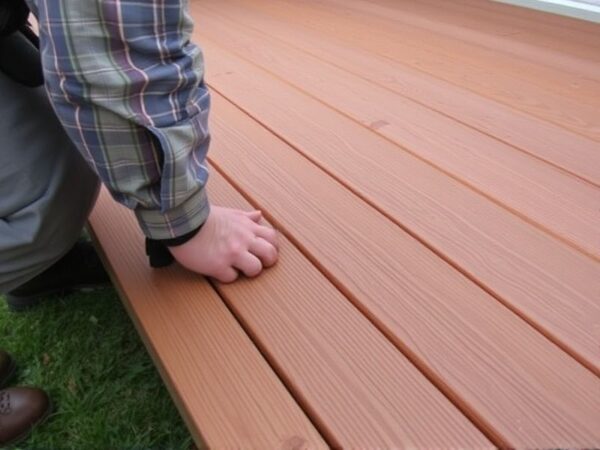
Composite Decking Fixing: Your Complete Guide to Getting It Right
Why Proper Fixing Makes All the Difference
Let’s be honest – when you’re excited to see your new composite deck come together, the fixing methods might seem like an afterthought. But here’s the thing I’ve learned from helping dozens of homeowners: how you secure those boards determines whether you’ll have a showstopper patio or a creaky disappointment. Proper composite decking fixing isn’t just about holding boards in place; it’s about creating something that stays beautiful through summer BBQs and winter storms alike.
The Tools You’ll Actually Use
Picture this: You’ve got your boards laid out, the sun’s shining, and then… you realize you’re missing a crucial tool. Don’t let that happen! Here’s what really works in the field:
– A good impact driver (not just any drill) – composite material needs that extra oomph
– Plastic spacer gauges – your best friends for consistent gaps
– Chalk line that actually shows up on composite
– Sharp carbide blade – trust me, splintered edges aren’t worth the shortcut
Hidden Fasteners vs. Good Ol’ Screws
Remember helping your neighbor fix their squeaky wood deck? Composite doesn’t have to end up that way. Let’s break down the two main approaches:
The Invisible Look (Hidden Fasteners)
Perfect for:
– Modern, seamless designs
– Barefoot-friendly surfaces
– Areas where looks matter most
What you’ll love:
No visible screw heads = Instagram-worthy finish. But watch out – some systems can add 20-30% to installation time compared to screws.
Traditional Screw-Down Method
When it makes sense:
– Tight budgets
– DIYers wanting full control
– Areas needing frequent access (like under hot tubs)
Pro tip: Use color-matched screws! The difference between “custom look” and “polka dot deck” comes down to $5 worth of proper fasteners.
Spacing Secrets Nobody Tells You
Here’s where most weekend warriors slip up. Those expansion gaps aren’t just suggestions – they’re your deck’s breathing room. For standard 5.5″ boards:
– Leave about a quarter-inch between boards (use that spacer gauge!)
– Allow at least half-inch at the deck’s edges
– Double check manufacturer specs – some composite blends need more room
Funny story: Last summer, a client ignored spacing “because it looked tight.” By September, their deck had more waves than the nearby lake. Don’t be that person.
Real-World Fixing Patterns That Work
Random patterns might look cool on Pinterest, but structured approaches prevent headaches. Here’s my go-to setup:
1. Start with perimeter boards secured every 12-16 inches
2. Inner joists get fasteners every 18 inches max
3. Alternate sides when driving screws to prevent “banana boards”
4. Keep fasteners at least 1 inch from board ends
Common Mistakes (And How to Avoid Them)
After seeing hundreds of installations, here’s what goes wrong most often:
The Over-Tightening Trap: Cranking down screws until the composite dimples? That’s creating water pools. Stop when the board just touches the joist.
Gap Amnesia: Forgetting to check spacing every 3-4 boards? You’ll notice when the last piece won’t fit.
Tool Troubles: Using regular drill bits? You’ll strip screw heads faster than you can say “composite disaster.”
Making Your Deck Last Decades, Not Years
Proper composite decking fixing does more than look good – it adds real longevity. Well-secured boards:
– Resist warping from temperature swings
– Prevent water trapping that leads to mildew
– Maintain structural integrity under heavy furniture
– Keep that crisp, clean appearance season after season
When to Call the Pros
While many DIYers handle composite installation successfully, consider professional help if:
– Your yard slopes more than a beginner ski hill
– You’re dealing with multiple deck levels
– The project involves complex patterns or angles
– You’d rather spend weekends enjoying the deck than building it
Final Thoughts: Fixing for the Future
At the end of the day, composite decking fixing comes down to patience and precision. Take the time to:
– Dry-fit boards before committing
– Check alignment every few feet
– Step back and eyeball the layout frequently
Remember, your deck isn’t just another home project – it’s where memories get made. Do the fixing right, and you’ll create a space that looks great and stands the test of time. Now who’s ready for that first backyard barbecue?

Reviews
There are no reviews yet.