Composite Decking Expansion: What Every Homeowner Needs to Know
That Annoying Gap You Keep Staring At
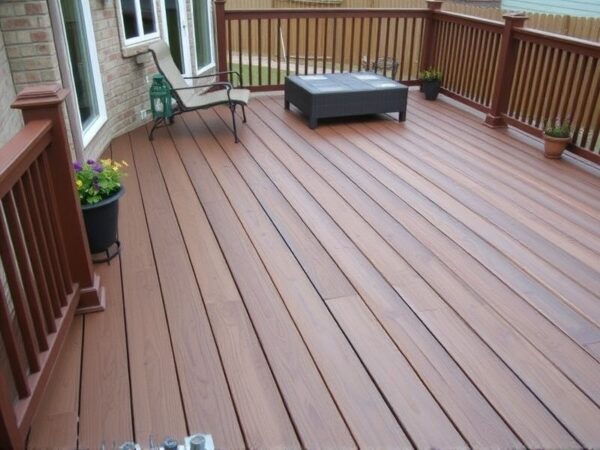
You know that moment when you’re enjoying your morning coffee on the deck and suddenly notice the boards aren’t sitting as tight as they used to? Before you panic about shoddy installation, let’s talk about something completely normal – composite decking expansion. It’s not a defect, but it’s definitely something you want to understand unless you fancy tripping over buckled boards next summer.
Why Your Deck Plays Hide-and-Seek
Composite materials are like that friend who can’t decide what to wear – they expand and contract with temperature changes. Unlike traditional wood that mostly responds to moisture, composite decking gets fidgety with heat. On a scorching 95°F day, a 16-foot board can grow nearly half an inch. That’s why your perfectly aligned deck in spring might develop mysterious gaps by August.
The Installation Game Changer
Here’s where most DIYers slip up. Those tiny gaps between boards aren’t just for decoration – they’re your deck’s breathing room. For standard composite boards:
- Leave about 1/8″ between sides (think credit card thickness)
- Keep 1/4″ at the ends (roughly two dimes stacked)
Pro tip: Double check manufacturer specs – some darker colors absorb more heat and need extra space. I learned this the hard way when a client’s espresso-colored boards started hugging each other tighter than teenagers at a prom.
Seasonal Shape-Shifting
Your deck lives through more temperature drama than a reality TV star. In Michigan, we’ve seen gaps widen to nearly 3/8″ during polar vortexes. But here’s the kicker – it’s not just about temperature extremes. Rapid swings from day to night can be tougher on decks than steady cold or heat.
Real World Deck Disasters (And How to Avoid Them)
Take the case of a lakeside deck in Texas where the owner ignored expansion gaps. By year two, the entire structure looked like a rollercoaster track. Repair cost? Let’s just say it could’ve bought a nice used car. Moral of the story: Those little gaps matter more than you think.
Material Matters More Than You Think
Not all composites are created equal. Here’s a quick cheat sheet:
| Material Type | Expansion Rate | Price Range |
|---|---|---|
| Basic PVC | High | $ |
| Wood-Plastic Hybrid | Medium | $$ |
| Premium Capped Composite | Low | $$$ |
Spending extra on quality materials can save you headaches (and backaches from repairs) down the line.
Pro Tips From the Trenches
After installing hundreds of decks, here’s my battle-tested advice:
- Install in moderate temps – spring/fall are ideal
- Use spacer tools religiously – eyeballing doesn’t cut it
- Leave bigger gaps near heat sources (grills, hot tubs)
- Check fastener tightness annually
Remember that deck in Arizona that survived 120°F summers? Secret sauce was extra-wide gaps and light-colored boards. Simple choices make all the difference.
When to Call the Pros
If your deck starts resembling a skateboard ramp, it’s time for help. But many expansion issues can be fixed with some simple adjustments. Last summer I helped a homeowner fix their “wavy” deck by simply replacing a few over-tightened screws with proper fasteners. Total cost? Less than a fancy dinner out.
The Bottom Line
Composite decking expansion isn’t something to fear – it’s just nature doing its thing. With proper planning and smart installation choices, your deck can handle whatever the weather throws at it. Next time you see those tiny gaps, just smile knowing they’re keeping your deck happy and healthy for years to come.
FAQs From Real Homeowners
Q: Can I just caulk the gaps?
A: Please don’t! You’ll trap moisture and create bigger problems. Embrace the gaps – they’re working for you.
Q: How often should I check spacing?
A: Do a seasonal visual check. If you notice boards touching, it’s time for minor adjustments.
Q: Will expansion void my warranty?
A: Only if caused by improper installation. Document your gap sizes during installation – photos are your best friend!


Reviews
There are no reviews yet.