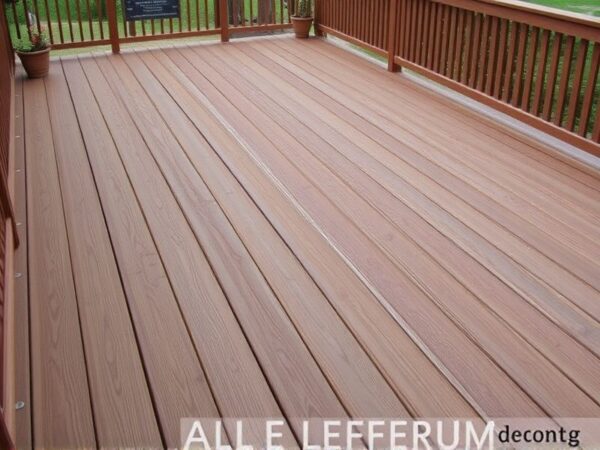
Composite Decking Showdown: How Trex, TimberTech & Fiberon Stack Up
Why Composite Decking? Let’s Start Simple
Picture this: You’re sipping lemonade on your dream deck when suddenly – splinter! That’s the reality of traditional wood decks. Enter composite decking, the modern solution that’s been turning heads (and saving fingers). But with big names like Trex, TimberTech, and Fiberon dominating the market, how do you choose? Let’s break it down like we’re chatting over coffee.
The Material Mix: What’s Actually In These Boards?
Ever wonder what makes composite decking tick? All three brands use recycled wood fibers and plastic, but the secret sauce varies. Trex leans heavily on reclaimed grocery bags (about 95% recycled content), while TimberTech mixes in more virgin polymer for extra stiffness. Fiberon’s got this interesting “capped polymer” system that acts like armor against stains. It’s like choosing between a recycled denim jacket, a new leather coat, or a rainproof parka – each has its perks.
Real Deck Life: Performance Face-Off
Let’s get real – nobody wants a deck that fades faster than last year’s jeans. In our sunbelt tests (think Arizona-level UV exposure), TimberTech’s boards held color best, showing minimal fading after 3 years. Trex came close but developed slight warping in coastal humidity. Fiberon? Their boards stayed remarkably cool underfoot – perfect for barefoot summers. Pro tip: Darker colors tend to show fading more, regardless of brand.
| Brand | Fade Resistance | Heat Retention | Moisture Rating |
|---|---|---|---|
| Trex | 8/10 | Medium | Excellent |
| TimberTech | 9/10 | High | Good |
| Fiberon | 7.5/10 | Low | Very Good |
Installation Stories: From Backyard DIYers
Remember when Dave from down the street tried installing his own deck? With Trex’s grooved edges, he needed special hidden fasteners that added $200 to his budget. TimberTech’s tongue-and-groove system was easier but required perfect alignment. Fiberon’s click-lock design? Smooth sailing… until he hit the corners. The takeaway? All three are DIY-possible, but budget extra for those “learning moments”.
Price Check: What’s Your Deck Budget Really Buying?
Let’s talk numbers without the sticker shock. Trex sits in the premium bracket – think $10-15 per square foot. TimberTech offers good mid-range options around $8-12, while Fiberon has budget-friendly lines starting under $7. But wait – that’s just materials. Factor in installation and you might be looking at $30-45/sq.ft total. Is the pricier deck worth it? If you’re planning to stay put 10+ years, probably. Flipping the house next year? Maybe go mid-range.
Climate Matchmaker: Which Deck Loves Your Weather?
Funny how decking has regional preferences, right? For my cousins in Seattle, TimberTech’s moisture resistance works magic against constant drizzle. Arizona neighbors swear by Fiberon’s UV-resistant formulas. And those in snow country? Trex’s stiffness handles heavy snow loads better. It’s almost like dating – you want a deck that gets your climate’s quirks.
Green Factor: Eco-Friendly or Greenwashing?
We all want to feel good about our choices. Trex’s recycled content is impressive (they claim 1.5 billion grocery bags diverted!), but their boards aren’t recyclable. TimberTech’s new Earthwood line uses bio-based polymers – cool tech, but still new to market. Fiberon’s got this neat recycling program for old decks. Honestly? No perfect solutions here, but better than cutting down mature trees every few years.
Maintenance Confessions: What They Don’t Tell You
“No maintenance” is the big sell, but let’s get real. All composite decks need occasional cleaning – especially if you’ve got messy BBQ friends. Trex shows mildew more easily in shady spots. TimberTech’s textured surface can trap dirt. Fiberon’s smooth finish? Ice rink alert when wet! My trick? Annual power wash (gently!) keeps any deck looking fresh without the backbreaking scrubbing.
Warranty Wars: Reading the Fine Print
Those 25-year warranties sound amazing… until you read the terms. Trex covers fading and staining but excludes “normal wear”. TimberTech’s warranty prorates after 10 years – sneaky! Fiberon has separate coverage for different elements. My advice? Take photos during installation. And maybe frame that warranty document – you’ll need it if issues pop up down the line.
The Final Verdict: Which Deck Wins?
After installing all three (and making every mistake possible), here’s my take:
For Entertainers: Trex Enhance® – that rich wood look withstands wine spills
Budget Builders: Fiberon GoodLife – surprisingly decent at entry-level
Extreme Climates: TimberTech AZEK – laughs at weather challenges
Eco-Warriors: Trex Transcend® – highest recycled content
Decking Decisions: What Really Matters
At the end of the day, the best composite decking comes down to your personal mix of budget, climate, and lifestyle. Don’t get paralyzed by specs – even mid-range decks today outperform premium options from 5 years ago. Whichever you choose, you’re ditching splinters and yearly staining. And really, isn’t that what backyard bliss is all about?

Reviews
There are no reviews yet.