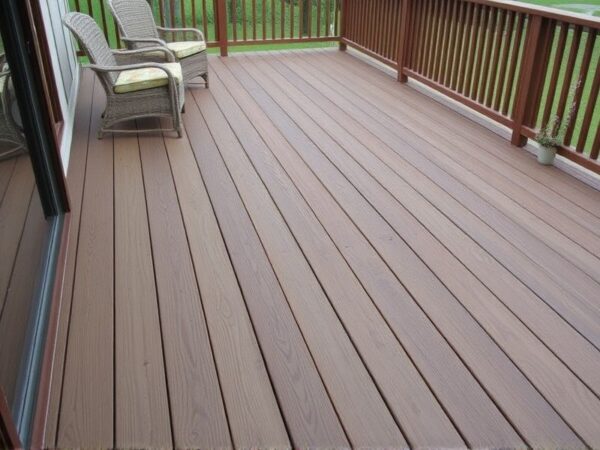
Why Composite Deck Flooring is Revolutionizing Outdoor Living
The Low-Maintenance Game Changer
Let’s face it – who actually enjoys spending weekends sanding and staining their deck? With composite deck flooring, you’re looking at maybe a quick hose-down twice a year. I’ve seen traditional wood decks turn gray and splintery within 3-5 years, while my neighbor’s composite deck still looks brand new after a decade. The secret sauce? A mix of recycled plastic bottles and wood fibers that laughs in the face of rot and UV damage.
What’s Really in These Planks?
Picture this: about 60% recycled grocery bags and milk jugs combined with 40% sawdust that would otherwise end up in landfills. Unlike pressure-treated wood that leaks chemicals into your soil, composite decking actually helps reduce plastic waste. The manufacturing process has come a long way – early versions looked plasticky, but modern versions mimic wood grain so well you have to touch them to tell the difference.
Color That Stays Put
Remember how your aunt’s redwood deck turned silvery-gray after two summers? Composite deck flooring uses “color-through” technology where the pigment runs the entire thickness of the board. Scratches from moving patio furniture? They practically disappear. Most manufacturers guarantee against fading for 25 years – that’s longer than some marriages!
Safety First Texture
Ever nearly did a cartoon-style slip on a wet deck? Composite planks come with subtle textured patterns that provide traction even when wet. The best part? Unlike wood grain that wears smooth over time, these textures are molded right into the material. I’ve seen composite decks in rainy Seattle homes stay slip-free through monsoon-like downpours.
Installation Made Simpler
Here’s where composite deck flooring really shines for DIYers. The hidden clip system means no visible screws, and the lightweight planks are easier to handle than heavy tropical hardwoods. Pro tip: Leave slightly bigger expansion gaps than the manual suggests if you’re in areas with extreme temperature swings. Trust me, that extra 1/8″ prevents buckling when summer hits.
Design Flexibility You Wouldn’t Believe
From modern minimalist patterns to rustic “reclaimed wood” looks, today’s composite decking comes in over 50 color options. I recently worked on a project where we created a chevron pattern using two-toned planks – something that would’ve cost a fortune with natural wood. Curved edges? Built-in planters? All possible without worrying about wood warping.
Cost Breakdown: Long-Term Savings
| Material | Upfront Cost | 10-Year Maintenance | Lifespan |
|---|---|---|---|
| Composite | $$$ | $ | 25+ years |
| Pressure-Treated Wood | $$ | $$$$ | 10-15 years |
| Tropical Hardwood | $$$$ | $$$ | 15-20 years |
Climate Considerations
While composite deck flooring performs well in most conditions, it’s particularly ideal for:
- Coastal areas (saltwater resistant)
- Humid climates (no mold issues)
- Regions with intense sun (UV protection built-in)
That said, in extreme cold climates (-20°F and below), some brands can become slightly more brittle. Always check manufacturer specs for your region.
Environmental Impact You Can Feel Good About
Here’s a stat that might surprise you: A typical 400 sq.ft composite deck repurposes about 140,000 plastic bags that would otherwise clog landfills. Compared to pressure-treated wood that uses arsenic-based preservatives, or tropical hardwoods contributing to rainforest depletion, composite deck flooring is the clear eco-choice. Plus, at end-of-life? The material can be recycled again into new decking.
Real-World Performance
Take the case of a lakeside cabin in Minnesota we consulted on. The owners tried natural cedar first – within 5 years they were dealing with splinters, discoloration, and warped boards. After switching to composite deck flooring, they’ve gone 8 years with nothing but occasional leaf-blower cleanups. Their biggest complaint? “We miss having an excuse to avoid deck parties during maintenance weekends!”
Common Concerns Addressed
“But doesn’t it get hot?” Modern composite deck flooring with heat-diffusing technology stays up to 30% cooler than traditional PVC alternatives. “What about scratches?” The capped polymer surface resists dog claws better than softwoods. “Is the warranty real?” Most reputable brands will replace material if it fades or warps – just keep those installation receipts!
Making the Switch: Practical Tips
If you’re considering composite deck flooring:
- Order samples – colors look different in sunlight vs showroom lighting
- Invest in quality hidden fasteners
- Consider integrated lighting channels during installation
- Don’t skimp on substructure – use corrosion-resistant framing
And remember – while the initial cost stings, you’ll save hundreds in maintenance costs over the years. Your future self sipping lemonade on a perfect deck will thank you!
When Natural Wood Still Makes Sense
For all its benefits, composite deck flooring isn’t perfect for every situation. If you’re after that authentic cedar scent or want to change stain colors every few years, traditional wood might be better. Historic home purists might prefer genuine materials too. But for 90% of homeowners wanting beautiful, carefree outdoor spaces? Composite is the way to go.
The Future of Outdoor Living
With manufacturers now offering composite deck flooring that mimics exotic woods like teak and ipe at half the cost, it’s no wonder market growth has exploded. As recycling technology improves, we’re even seeing decks made from 100% post-consumer waste. One thing’s clear – whether you’re building a cozy backyard retreat or a sprawling pool deck, composite materials are redefining what’s possible in outdoor design.


Reviews
There are no reviews yet.