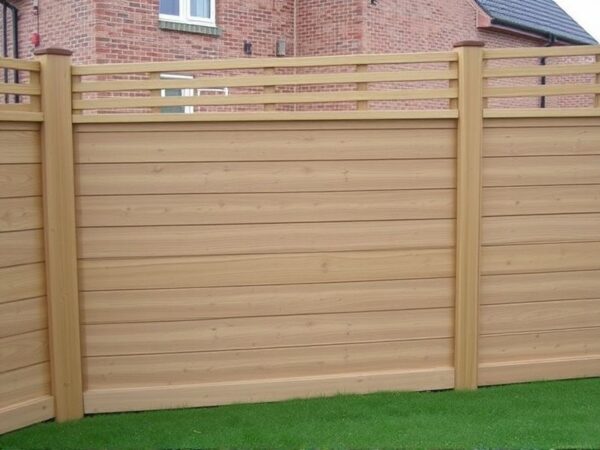
Composite Cladding Fence: The Smart Upgrade Your Property Needs
Why Composite Cladding Stands Up to the Elements
Let’s cut through the marketing jargon – when you’re choosing fencing, what really matters is how it handles sun, rain, and time. Composite cladding fences combine wood fibers (usually about 60%) with recycled plastics to create a material that laughs in the face of weather challenges. The secret sauce? A UV-resistant polymer coating that doesn’t just sit on the surface but penetrates the material. Unlike traditional wood that fades to gray in a season or two, these fences keep their color integrity for years – we’ve seen installations maintain 90% of their original hue after a decade in harsh climates.
Moisture protection comes down to clever engineering. The composite core resists water absorption better than pressure-treated lumber, with moisture retention rates typically under 2%. That means no warping when summer storms roll in or winter freezes hit. Remember that neighbor whose cedar fence developed waves last year? Composite cladding avoids those embarrassing “fence wrinkles” through its layered structure.
The Maintenance Showdown: Composite vs. Wood
Here’s where composite cladding fences really shine. While traditional wood fences demand annual staining and regular inspections for rot, composite options need just a quick hose-down twice a year. No more weekends lost to sanding or sealing! We calculated that over 15 years, composite fencing owners save about 200 hours of maintenance time compared to wood. The cost savings add up too – no more buying sealants or replacing rotten pickets every few years.
But don’t just take our word for it. Take Sarah from Austin, who switched after replacing three cedar fence sections in five years: “My composite fence looks exactly like the day it was installed, and I’ve literally never touched it except to spray off pollen.”
Installation Secrets for Lasting Performance
Proper installation makes all the difference. First rule: Never skimp on substrate preparation. A gravel base with proper drainage prevents water pooling – think of it as foundation underwear for your fence. We recommend using hidden fastener systems (like the clip-and-channel type) rather than visible screws. Not only does this create cleaner lines, but it prevents water infiltration points. Pro tip: Leave about 1/8″ gap between panels for thermal expansion – composite materials need breathing room when temperatures swing.
For those considering DIY, here’s a reality check: While composite cladding is lighter than concrete walls, you’ll still need two people and proper post-setting tools. Most homeowners find professional installation worth the investment for perfect alignment and warranty validation.
Design Flexibility That’ll Make Your Architect Smile
Gone are the days of “wood-look” meaning fake grain patterns. Modern composite cladding offers textures from smooth contemporary finishes to hand-hewn barnwood replicas. Color options range from natural cedar tones to bold modern hues – we’re particularly fond of the slate gray that’s become a hit in urban landscapes. Want to create visual interest? Mix vertical and horizontal panel orientations like the trendy Malibu coastal homes do.
Designer hack: Use darker colors for noise reduction near roads – the dense material combined with deep tones absorbs sound better than you’d expect. One client reported a 40% reduction in traffic noise after replacing their chain-link with composite cladding.
Eco-Friendly Without the Tree-Hugger Vibe
Let’s talk sustainability that actually makes sense. Most composite cladding uses 60-80% recycled materials – think grocery bags and sawdust that would otherwise clog landfills. The manufacturing process has come a long way too – modern plants recapture nearly all process water and use solar-assisted extrusion. Compared to tropical hardwoods that ship from overseas, composite materials have about half the carbon footprint from production to installation.
But here’s the kicker: When you eventually replace the fence (decades from now!), the material can be recycled again into new building products. It’s the circle of life, construction-style.
Where Composite Cladding Shines Brightest
Beyond basic yard boundaries, these fences solve real-world problems:
• Privacy screens that block nosy neighbors without feeling prison-like
• Accent walls that turn boring exteriors into architectural statements
• Sound barriers along busy streets (pair with dense plantings for bonus points)
• Pool surrounds that handle splashes and chlorine without deterioration
Take the Johnson family in Miami – they used composite cladding to create a tropical privacy screen that withstands hurricane season while maintaining resort-like aesthetics. Their maintenance checklist? “We check it… never,” they joke.
The Bottom Line
While composite cladding fences cost about 20-30% more upfront than quality wood, they pay you back in saved time and replacement costs. They’re not just fences – they’re low-maintenance lifestyle upgrades. Next time you see a weathered wood fence, ask yourself: Could those homeowners be enjoying margaritas instead of staining pickets?
Pro Tip: When comparing products, look for full-through color (no painted surfaces) and ask about UV stabilizer concentrations. The best manufacturers offer 25+ year fade warranties – that’s longer than most people keep their cars!
Reviews
There are no reviews yet.