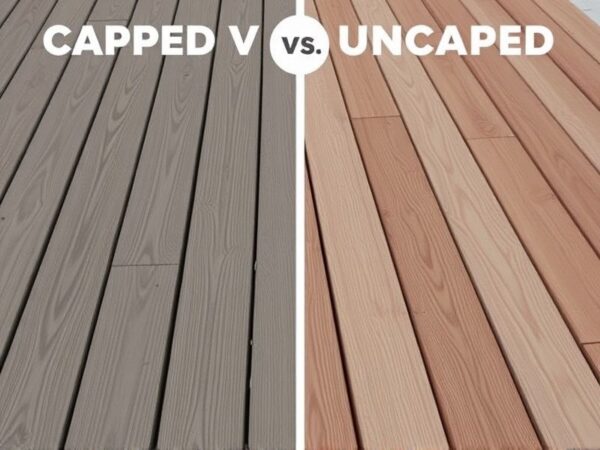
Capped vs. Uncapped Composite Decking: Which Offers Better Durability & Value?
The Great Deck Dilemma
Let’s be real – choosing decking materials can feel like navigating a minefield. I’ve seen homeowners get paralyzed comparing capped vs. uncapped composite options, especially when marketing claims start flying. Here’s the straight talk: both have their place, but understanding their differences could save you thousands down the line. Remember that neighbor who replaced their deck after just 5 years? Let’s make sure that’s not you.
The Invisible Shield That Makes All The Difference
Picture this: uncapped composite decking is like a sponge cake – all those wood fibers and plastic binders exposed to the elements. Capped versions? They’re the sponge cake dipped in hardened chocolate. That protective polymer shell (usually 20-30 mils thick) isn’t just for show. Manufacturers like Trex and Fiberon use co-extrusion processes that basically vacuum-seal the core material. I’ve watched test panels where uncapped boards soaked up stains like cheap paper towels, while capped versions shrugged off red wine spills like it was nothing.
Sunlight Showdown
Remember that faded patio furniture from last summer? Your deck faces the same UV beating. Uncapped composites typically lose color vibrancy within 2-3 years in sunny climates. Capped boards? Their UV inhibitors are locked into that protective layer. Arizona installers tell me capped decks maintain 90%+ color after a decade, while uncapped versions start looking washed out around year 4. Pro tip: Lighter colors hide fading better on any deck type.
Mold’s Worst Nightmare
Here’s where I get passionate – moisture protection. That “protective” wax coating on uncapped boards? It wears off faster than cheap sunscreen. I’ve torn up decks in Florida where uncapped boards grew mold between the grooves. Capped decking’s continuous shell acts like a raincoat, with moisture absorption rates 4x lower according to industry tests. One client in Seattle swears her capped deck stayed mold-free despite 9 months of annual rainfall.
Scratch Test Surprises
Let’s settle this with a kitchen knife (don’t try this at home). Drag a blade across uncapped composite and you’ll leave a permanent mark. Capped boards? They develop faint scuffs that actually blend over time. Dog owners take note – I’ve seen German Shepherd claws leave zero marks on capped surfaces while uncapped boards showed visible wear within months.
Maintenance: Weekend Saver or Time Sink?
Here’s the kicker: uncapped decks need annual cleaning and sealing to prevent staining. Capped versions? A quick hose-down usually does the trick. One calculation for Colorado homeowners showed $1,200 saved in maintenance costs over 10 years with capped decking. But wait – cheaper uncapped boards might tempt you initially. Let’s break down the real costs:
| Cost Factor | Capped | Uncapped |
|---|---|---|
| Initial Cost (500 sq.ft) | $8,000-$12,000 | $5,500-$8,500 |
| 10-Year Maintenance | $200 | $1,500+ |
| Replacement Risk | Low | Moderate |
When to Choose Which
Capped shines in harsh climates and high-traffic areas. That beach house deck? Absolutely go capped. But for covered patios or budget-conscious projects, quality uncapped boards can work. Recently helped a couple in Maine mix both types – capped for the main deck, uncapped for covered seating areas. Smart compromise!
Warranty Wisdom
Don’t skip the fine print! Most capped products offer 25-50 year warranties against fading and staining. Un capped warranties often exclude cosmetic issues after 5 years. Pro tip: Manufacturer certifications matter more than big box store brands. TimberTech’s capped line actually covers labor costs for replacement boards – a rare but valuable perk.
Real World Survivors
The proof’s in the pudding. Check these installations:
- Texas Pool Deck: Capped composite withstood 110°F summers + chlorine splashes for 8 years (zero warping)
- Michigan Cabin: Uncapped deck needed full replacement after 7 winters (freeze-thaw damage)
- California Hillside: Capped boards survived wildfire embers without ignition (fire-rated option)
My Takeaway Tips
After installing hundreds of decks, here’s my cheat sheet:
🔸 Splurge on capped if: You’re in extreme climates, hate maintenance, or have pets/kids
🔸 Consider uncapped if: It’s a covered area, temporary installation, or tight budget
🔸 Never compromise on: Proper drainage spacing and UV-protected fasteners
Remember, the right deck should outlast your mortgage payments. Whichever type you choose, invest in quality installation – even the best materials fail if installed poorly. Happy deck building!


Reviews
There are no reviews yet.