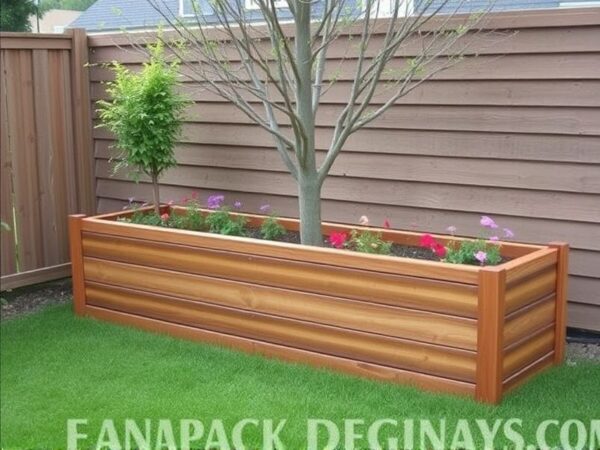
Can I Use Composite Decking for Tree Planters? Let’s Break It Down
So you’re thinking about sprucing up your yard with some stylish tree planters, and that composite decking material caught your eye? Smart move – but hold on a second. Let’s chat about whether this popular decking solution actually works for containing your prized maples and oaks. I’ve seen enough Pinterest fails to know this decision needs some real-world perspective.
Why Composite Might Be Your New Best Friend
Picture this: Your neighbor’s wooden tree planter rotted out after just two seasons. Meanwhile, your composite version still looks fresh years later. That’s the power of modern materials. Composite decking brings serious weather resistance to the table – we’re talking about handling everything from monsoon rains to scorching summers without warping or splitting. Plus, say goodbye to annual sanding and staining. A quick hose-down is usually all it needs.
But here’s what really sells it for me – design flexibility. Want curved planters that hug your tree’s natural shape? Composite can do that. Obsessed with that trendy gray weathered look? Available off-the-shelf. It’s like LEGO for grown-up landscapers.
The Not-So-Glamorous Side
Before you max out your credit card at the home improvement store, let’s talk money. Yeah, composite costs more upfront – we’re probably looking at 30-40% pricier than basic pressure-treated wood. And don’t even get me started on the weight. Some composite boards feel like they’re made of lead, which matters when you’re building large planters that might need occasional moving.
Oh, and heat retention! I learned this the hard way. Dark-colored composite in full sun can get hot enough to fry an egg. Not ideal for delicate root systems. Pro tip: Lighter colors or strategic shading can help big time.
Installation Tricks They Don’t Tell You
Here’s where experience pays off. That “easy DIY” label? Maybe if you’re Bob the Builder. For us mortals, cutting composite requires sharp blades and patience – the dust gets everywhere. And spacing? Crucial. Leave about 1/8″ between boards for expansion, unless you want bulging sides after the first freeze.
Drainage is another sneaky detail. Drill more holes than you think you need, and consider lining the interior with landscape fabric. You want water to escape without washing away your soil. Trust me, I’ve cleaned up enough muddy messes to know better now.
How It Stacks Up Against the Competition
| Material | Lifespan | Maintenance | Cost |
|---|---|---|---|
| Composite | 20-30 years | Low | $$$ |
| Pressure-Treated Wood | 5-15 years | High | $ |
| Concrete | 50+ years | None | $$$$ |
See what I mean? Composite hits that sweet spot between durability and practicality. But concrete’s longevity or wood’s affordability might speak louder depending on your situation.
Creative Hacks Worth Stealing
Last summer, I saw a brilliant setup using composite planks vertically as a privacy screen around citrus trees. Genius, right? Or how about tiered planters using different color boards for visual depth? The real magic happens when you mix materials – maybe composite sides with a natural stone cap for contrast.
For small spaces, try hexagonal planters that maximize corner areas. Urban gardeners are going nuts for these geometric designs. Bonus points if you match your deck color scheme for that polished look.
Your Burning Questions Answered
“Will roots damage the composite?” Good news – most tree roots play nice if you maintain proper soil moisture. Just avoid letting the planter become pot-bound.
“Can I paint it later?” Technically yes, but why would you? The whole point is keeping that factory finish.
“What about termites?” Composite’s kryptonite – plastic and wood fibers don’t exactly make a tasty meal for bugs.
When to Go For It (And When to Bail)
Composite shines in high-traffic areas where you want that polished look year-round. Think front yard specimen trees or commercial properties. But maybe skip it for temporary installations or if you’re constantly rearranging your garden layout. That weight adds up fast when you’re moving things around every season.
Final pro tip? Check with your supplier about UV-stable colors. Some cheaper composites fade faster than your favorite band t-shirt. Invest in quality material – your future self will appreciate not having to replace planters every few years.
So can you use composite decking for tree planters? Absolutely – but like any good relationship, it’s about knowing when to commit and when to keep shopping. Now go build something that’ll make the neighbors jealous!

Reviews
There are no reviews yet.