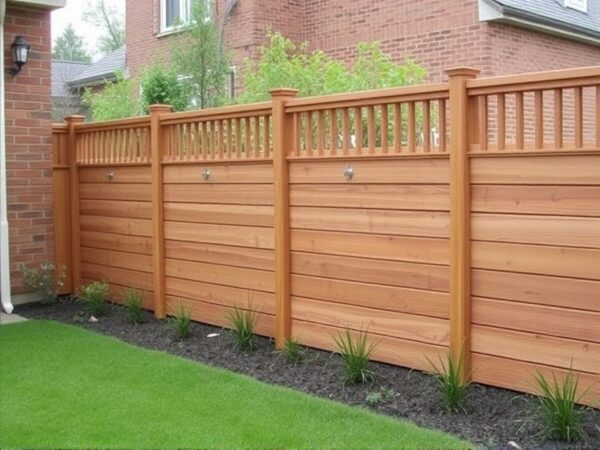
Can Composite Decking Be Used for Fencing? Let’s Break It Down
So You Want a Fence That Lasts?
Picture this: You’re sipping lemonade in your backyard, admiring that crisp new fence line. But wait – is that wood already warping? Are those vinyl panels starting to yellow? This is where composite decking enters the chat. Yeah, the same stuff you’ve seen on trendy patios is now showing up in fencing projects. But does it actually work? Let’s dig in.
Why Even Consider Composite?
Remember your neighbor’s fence that turned into termite buffet last summer? Composite fencing laughs in the face of bugs and rot. Made from that magic mix of wood fibers and recycled plastics, it’s basically the superhero version of traditional materials. We’re talking 25+ years of service with minimal drama – no annual staining wars or replacement sagas.
Showdown: Composite vs. The Usual Suspects
Let’s get real about what you’re comparing:
| Feature | Composite | Wood | Vinyl |
|---|---|---|---|
| Upfront Cost | $$$ | $$ | $$$ |
| Yearly Maintenance | Just washing | Staining/sealing | Special cleaners |
| Lifespan | 25+ years | 10-15 years | 20+ years |
Here’s the kicker – while composite might cost 20-30% more than cedar upfront, you’re saving hundreds in maintenance over the years. Plus, no splinters! (Your kids’ knees will thank you)
Installation: Weekend Warrior or Pro Job?
Ever tried assembling IKEA furniture after three cups of coffee? Composite fencing installation lands somewhere between that and building a treehouse. The hidden fastener systems are slick for that seamless look, but require more precision. Post-and-rail is more forgiving for DIYers. Pro tip: Rent a powered driver – your wrists will thank you after 50 screws.
Design Wins You Might Not Expect
Gone are the days of “wood-look” meaning fake grain stickers. Modern composite fencing comes in everything from driftwood grays to espresso browns, with textures that actually feel real. Mix horizontal and vertical boards for that modern farmhouse vibe, or go full privacy with tight spacing. Bonus: The color runs through the entire material, so scratches basically disappear.
But Wait – What About…?
Okay, let’s address the elephant in the yard. Yes, composite gets warmer than wood in direct sun. But here’s the fix: Choose lighter colors (they stay cooler) or add strategic landscaping. And that initial cost? Think of it like buying the good tires – pays off in the long run with fewer replacements.
Climate Considerations Matter
If you’re in Arizona’s Death Valley or Minnesota’s Ice Kingdom, listen up. Composite handles temperature swings like a champ, but expansion gaps are crucial. In super humid areas, that mold-resistant surface is worth its weight in gold. Coastal folks? Say goodbye to salt corrosion eating your fence.
When to Call the Pros
While DIY is totally possible, consider professional installation if:
- Your yard looks like a mini Grand Canyon (slopes over 15 degrees)
- You want intricate patterns or curved sections
- Your “tools collection” consists of a butter knife and hope
Real Talk From the Trenches
Take it from Sarah in Texas: “After replacing two wood fences in 10 years, we went composite. Three years in, it still looks brand new despite 100° summers and baseball-sized hail.” Or Mike in Seattle: “I thought the cost was nuts until I calculated all the weekends I got back from staining duty.”
The Bottom Line
If you’re after a set-it-and-forget-it fence that keeps looking sharp for decades, composite decking material is absolutely worth considering. Yeah, you’ll pay more upfront, but isn’t your time (and sanity) worth something? Just make sure to get samples – seeing and feeling the material beats any brochure description.
Final thought: Next time you see someone enjoying their Saturday instead of pressure-washing their fence… yeah, that could be you.


Reviews
There are no reviews yet.