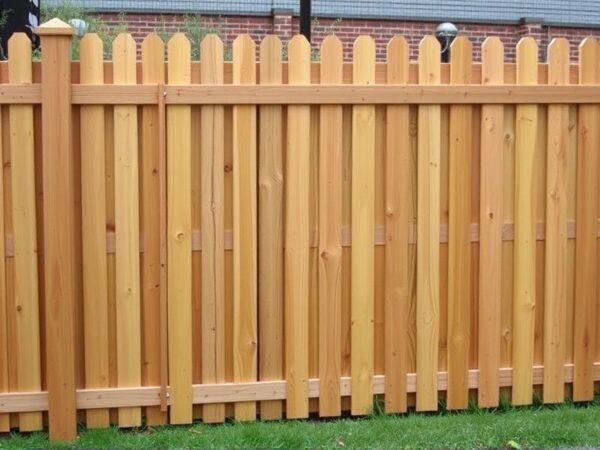
Finding the Best Wooden Fence Material for Your Home
Let’s face it – choosing fencing materials can feel like navigating a lumberyard maze. Between rot resistance, style matching, and budget considerations, you’re probably wondering if there’s a perfect wood type that ticks all the boxes. Let’s break down the real-world pros and cons of popular options so you can pick the best wooden fence material without losing sleep over your decision.
The Contenders: Wood Types Face Off
Picture this: You’re sipping lemonade on your porch, watching your neighbor’s cedar fence gracefully age while another friend complains about replacing their pine boards. What makes these experiences so different? Let’s meet the players:
Cedar – The Low-Maintenance Charmer
If fences had personalities, cedar would be that effortlessly cool friend who always looks put together. Its natural oils act like built-in armor against rot and bugs – I’ve seen cedar fences last 15-20 years with minimal care. Perfect for rainy Seattle climates or humid Southern backyards. Pro tip: Leave it untreated if you love that silvery patina, but seal it if you want to maintain the warm honey tones.
Redwood – The Designer Option
Redwood is like the luxury sedan of fencing materials. That rich, straight-grained beauty comes at a price – we’re talking 40-60% more expensive than cedar. But oh, that color! Trust me, that natural reddish-brown hue is worth every penny if you’re going for craftsman or modern farmhouse vibes. Just remember it’s picky about soil types – not the best choice for areas with heavy clay.
Pressure-Treated Pine – The Budget Hero
Here’s the truth bomb: PT pine won’t win any beauty contests fresh out of the lumberyard. But when your wallet’s crying uncle, this workhorse delivers. The chemical treatment helps it stand up to moisture better than regular pine, though you’ll want to seal it within the first year. Saw one last summer that made it 12 years in Michigan winters – not bad for something that costs about 30% less than cedar!
Tropical Hardwoods (Ipe) – The Indestructible Choice
Ipe is the Chuck Norris of woods. This Brazilian hardwood laughs at termites and shrugs off hurricanes. Install it once and your grandkids might inherit the same fence. But be ready for two headaches: 1) It’s heavy enough to need special tools, and 2) The price will make your eyes water – easily 3x the cost of PT pine. Perfect for coastal homes that take a beating from salt spray.
What Really Matters: Your Local Weather
Here’s where most guides miss the mark – your ZIP code matters more than any wood’s spec sheet. Let me paint some scenarios:
Scenario 1: You’re in Arizona with 300 days of sunshine. Cedar might dry out and crack, while ipe becomes a heat-retaining monster. Maybe opt for redwood with extra UV protection?
Scenario 2: Coastal South Carolina with salty air and hurricane threats. PT pine would disintegrate in 5 years, but ipe or properly sealed cedar could handle the abuse.
Scenario 3: Minnesota with freeze-thaw cycles. All woods will expand and contract, but cedar’s flexibility usually handles it better than rigid ipe.
Maintenance: The Hidden Cost No One Talks About
Let’s get real – nobody wants to spend weekends staining fences. Here’s the lowdown:
- Cedar: Every 3-5 years with oil-based stain
- Redwood: 2-4 years with clear sealer
- PT Pine: Annual checks, reseal every 2 years
- Ipe: Basically zero, but oil treatments keep it from graying
Personal confession: I skipped sealing my cedar fence for seven years. The weathered look actually worked with our cottage-style home, but your HOA might disagree!
Style Matchmaker: Which Wood Fits Your Home?
Choosing the best wooden fence material isn’t just about durability – it’s about curb appeal. Let’s play matchmaker:
Modern Minimalist: Smooth ipe boards with hidden fasteners
Farmhouse Chic: Rough-sawn cedar with black iron hardware
Coastal Cottage: Whitewashed redwood pickets
Suburban Traditional: PT pine with crisp white paint
Recently helped a client pair ipe’s dark tones with their mid-century modern home – the result looked like something from an architecture magazine!
Cost Reality Check
Let’s talk numbers without putting you to sleep:
| Material | Cost per Foot | Hidden Costs |
|---|---|---|
| Cedar | $25-$40 | Stain supplies |
| Redwood | $35-$50 | Specialized fasteners |
| PT Pine | $15-$25 | Frequent resealing |
| Ipe | $45-$70 | Installation tools |
Remember: A cheaper fence that needs replacing in 10 years often costs more than pricier, longer-lasting options. Math doesn’t lie!
Eco-Friendly Alternatives That Don’t Suck
If sustainability keeps you up at night, consider these options:
- Reclaimed barn wood (character galore!)
- FSC-certified cedar
- Composite made from recycled plastic/wood fibers
Helped build a fence using 100-year-old chestnut from a demolished Pennsylvania barn – the story behind each knot and nail hole became the neighborhood’s favorite conversation starter.
Final Word: Trust Your Gut
At the end of the day, the best wooden fence material is the one that:
1. Fits your climate’s demands
2. Matches your home’s personality
3. Doesn’t break your maintenance budget
Don’t overthink it – I’ve never met a wood fence that didn’t look better than chain-link! Got questions? Drop them in the comments below and I’ll help you sort through the sawdust.


Reviews
There are no reviews yet.