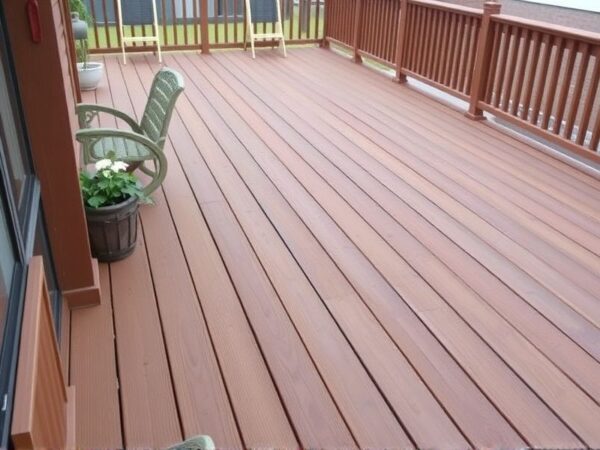
Why the Best Wood Plastic Composite Decking is Revolutionizing Outdoor Living
The Backyard Upgrade That Actually Lasts
Let’s be real – traditional wood decks can be high-maintenance divas. Remember my neighbor Dave? He spent every summer sanding, staining, and sealing his cedar deck… until termites turned it into Swiss cheese last year. That’s when I convinced him to try the best wood plastic composite decking, and guess what? His new space survived three Midwest winters without so much as a splinter. This stuff isn’t your grandma’s porch material – it’s the future of outdoor living.
Built Tough: Where Composite Decking Shines
What makes the best wood plastic composite decking different? Imagine taking the best parts of wood and plastic, then making them work together. The result? Boards that laugh in the face of weather. We’re talking about materials that handle temperature swings from -40°F to 180°F without warping. I’ve seen composite decks near beach homes that still look new after 10 years of salt spray and blazing sun – something that would’ve destroyed traditional wood in half that time.
Maintenance? What Maintenance?
Here’s the kicker: composite decking needs about as much care as your favorite patio chair. No more annual power-washing marathons or expensive sealants. A simple soap-and-water scrub keeps it looking sharp. Take the case of a community center in Arizona – their 5,000 sq ft composite deck gets heavy foot traffic daily, yet their maintenance crew spends less than 20 hours a year on upkeep. Compare that to the treated pine deck they replaced, which required weekly attention during monsoon season.
Eco-Friendly Without the Tree-Hugger Stereotype
You might be thinking, “But isn’t plastic bad for the environment?” Good question! The best wood plastic composite decking actually uses 60-70% recycled materials – think grocery bags and sawdust that would otherwise end up in landfills. A manufacturer I visited in Oregon repurposes over 2 million plastic bottles monthly into decking materials. Plus, since it lasts decades longer than wood, you’re not contributing to deforestation every time you need to replace rotted boards.
Composite vs. Wood: The Real Cost Breakdown
Let’s talk numbers – but not the boring spreadsheet kind. Yes, composite costs more upfront (about 20-30% higher than pressure-treated wood). But factor in the hidden costs:
• No annual $200-$500 staining/sealing costs
• No replacement boards every 5-7 years
• No termite treatments
Over 15 years, most homeowners actually save money with composite. The Jones family in Colorado did the math – their composite deck cost 25% more initially but saved them nearly $4,000 in maintenance over a decade.
Smart Shopping: What to Look For
Not all composite decking is created equal. Here’s my cheat sheet from installing dozens of these decks:
– Thicker boards (1″+) handle heavy furniture better
– Full-color-through boards hide scratches
– Look for hidden fastener systems – they make installation a breeze
– Check the warranty – top brands offer 25+ years
Pro tip: Ask for sample boards. The best wood plastic composite decking should feel solid, not hollow, and have realistic wood grain texture.
Where Composite Makes the Most Sense
While composite works almost anywhere, it’s perfect for:
• Pool surrounds (no slippery algae buildup)
• Beach houses (saltwater won’t corrode it)
• High-traffic areas (restaurant patios, boardwalks)
• Fire pit areas (many composites are fire-resistant)
A brewery in Seattle switched to composite for their outdoor seating area and saw a 40% reduction in slip-related incidents during rainy seasons.
Installation Insights From the Pros
Thinking DIY? Composite is easier to work with than traditional wood in many ways. No splinters, consistent sizing, and most brands use tongue-and-groove systems. But here’s what contractors won’t tell you: proper spacing is crucial. I’ve seen decks buckle because someone skipped the 1/8″ gap between boards. And whatever you do, don’t install it directly on the ground – leave at least 6″ of airflow underneath.
The Verdict: Is It Right For You?
If you hate maintenance, love durability, and want to reduce your environmental impact, the best wood plastic composite decking is a no-brainer. Sure, the initial cost gives some people sticker shock, but think of it as paying upfront for years of worry-free weekends. Still on the fence? Check out display decks at local suppliers – seeing (and walking on) the material yourself makes all the difference. After all, your deck should be where memories are made, not where your weekends go to die doing maintenance!
Quick Comparison: Composite vs Traditional Wood
| Feature | Composite | Treated Wood |
|---|---|---|
| Lifespan | 25-30+ years | 10-15 years |
| Annual Maintenance | 1-2 hours | 10-15 hours |
| Weather Resistance | Excellent | Fair |
| Eco-Friendliness | High (recycled materials) | Low (chemical treatment) |
Final thought? The best wood plastic composite decking isn’t just a building material – it’s a lifestyle upgrade. Whether you’re sipping morning coffee or hosting summer BBQs, you’ll appreciate having more time to enjoy your space instead of maintaining it. Just ask Dave – he’s too busy grilling on his composite deck to worry about termites anymore!


Reviews
There are no reviews yet.