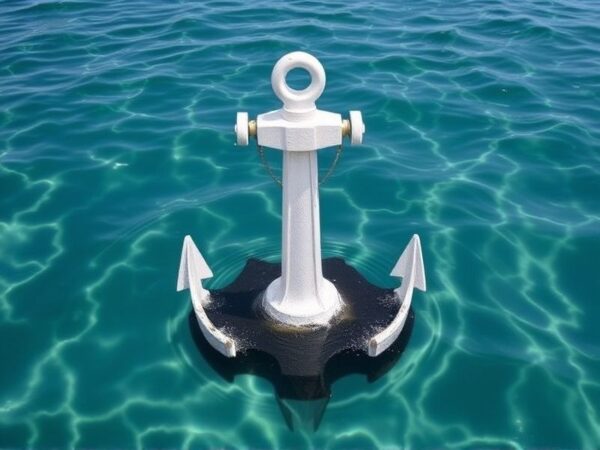
Anchor WPC: The Smarter Choice for Outdoor Living That Actually Lasts
So What Exactly Is This “Anchor WPC” Everyone’s Talking About?
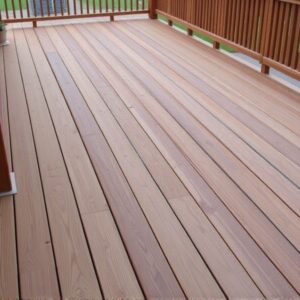
Let’s cut through the marketing jargon. Anchor WPC isn’t your grandma’s decking material – it’s what happens when science meets practical home improvement. WPC stands for Wood-Plastic Composite, but Anchor’s version is like the Tesla of composites. Imagine taking recycled plastic grocery bags (you know, those ones piling up under your sink) and blending them with wood fibers from sustainable forestry operations. The result? Boards that look like real wood but laugh in the face of rot, splinters, and termites.
Why Your Backyard Deserves Anchor WPC
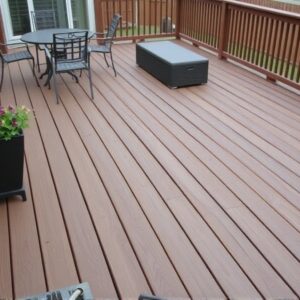
Remember that time you spent a whole summer building a beautiful cedar deck, only to watch it turn gray and warped by next spring? Anchor WPC solves those “oops” moments. The magic ratio – about 60% recycled materials to 40% wood fibers – creates something that’s tougher than your average composite but still feels natural underfoot. It’s like having your cake and eating it too, but for outdoor spaces.
Weather Wars: How Anchor WPC Outlasts Mother Nature
Living in an area with brutal summers or snowy winters? I feel you. Traditional wood decking can lose up to half its thickness to weathering in just 5 years. Anchor WPC? It shrugs off UV rays like sunscreen on a beach day. During testing, samples showed less than 0.5% color fade after three years of direct sunlight exposure. The secret sauce? UV inhibitors baked right into the material during manufacturing.
From Poolside to Garden: Where This Stuff Really Shines
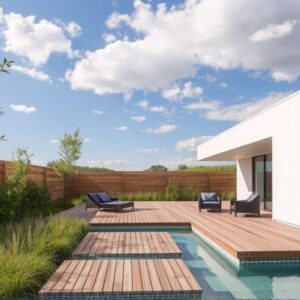
My neighbor Sarah tried using it for her lake house dock last year. Two winters later, it still looks brand new while the traditional wood docks nearby are growing moss beards. Beyond docks and decks, here’s where Anchor WPC is killing it:
- Fencing that doesn’t look like prison bars: The woodgrain texture actually fools most people
- Modern cladding: Architects are using it for entire exterior walls
- Outdoor kitchens: Spills wipe right off without staining
Showdown: Anchor WPC vs. The Old Guard
Let’s get real about costs. Yes, upfront you’ll pay about 20% more than pressure-treated pine. But factor in that you’ll replace that pine 3 times before the WPC needs attention? The math gets interesting. Maintenance costs drop like a rock too – no more annual sealing rituals. Check this comparison from a recent case study:
| Material | 10-Year Cost | Maintenance Hours | Warranty |
|---|---|---|---|
| Pressure-Treated Wood | $4,200 | 120+ hours | None |
| Anchor WPC | $3,800 | <10 hours | 25 years |
Installation Secrets the Pros Won’t Tell You
Here’s the thing – Anchor WPC is forgiving but not magic. That “hidden fastener” system looks slick, but leave proper expansion gaps or you’ll get buckling. Pro tip: Install during moderate temperatures. I learned this the hard way when a client’s mid-summer installation led to winter contraction gaps you could lose a marble in.
Keeping It Fresh: Maintenance That’s Actually Doable
Good news for the lazy homeowners out there (no judgment!). A quick hose-down twice a year keeps most installations looking sharp. For tougher stains? Mix equal parts vinegar and water – it works better than expensive cleaners. Avoid pressure washers though; that 3000 PSI blast can etch the surface over time.
The Green Factor: More Than Just Recycling Claims
Sure, everyone talks about recycled content. But Anchor’s manufacturing process uses 40% less energy than traditional composites. They even partner with local municipalities to source post-consumer plastic within a 200-mile radius of their factories. It’s sustainability that actually makes sense, not just greenwashing.
When Anchor WPC Might Not Be Your Hero
Let’s keep it 100% real – no material is perfect. If you’re craving that rich mahogany stain that develops a patina over years, stick with real wood. And while it’s fire-rated, I wouldn’t recommend using it right next to your fire pit. For 95% of outdoor projects though? It’s become my go-to recommendation.
Future-Proofing Your Outdoor Space
With climate change making weather patterns more extreme, materials need to adapt. Anchor WPC’s thermal expansion rate is about 30% lower than earlier composites – crucial for areas swinging from freezing winters to scorching summers. Some forward-thinking contractors are even using it for raised garden beds that won’t rot from constant moisture.
The Bottom Line: Is Anchor WPC Right For You?
If you hate maintenance, live in harsh climates, or just want something that’ll look good for your next backyard BBQ without constant upkeep, this stuff is worth serious consideration. It’s not the cheapest option upfront, but for long-term value and peace of mind? I’ve seen it transform “meh” outdoor spaces into showstoppers that last decades. Just remember – measure twice, cut once, and maybe invite me over for that inaugural barbecue when you’re done!
Reviews
There are no reviews yet.