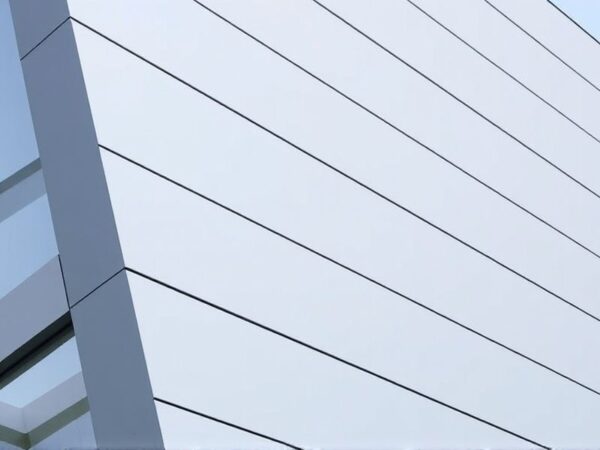
Aluminium Composite Panel Cladding Details: What You Need to Know
Breaking Down the Basics
Let’s cut through the jargon. Aluminium composite panel (ACP) cladding isn’t just shiny exterior decor – it’s a sandwich of innovation. Picture this: two thin aluminium sheets hugging either side of a core material. But here’s where things get interesting. That middle layer? It’s not just filler. Most folks know about the standard polyethylene (PE) core, but did you realize fire-resistant mineral-filled cores can handle temperatures up to 300°C? I’ve seen projects where this difference literally saved buildings during electrical fires.
Why Core Materials Matter
Remember the Grenfell Tower tragedy? It changed everything. While PE cores work fine for low-rise residential projects (they’re cheaper and lighter), commercial high-rises now demand mineral cores. Here’s a quick comparison:
- PE Core: Weighs about 5-7 kg/m² – perfect for home facades
- Fire-Resistant Core: Packs 7-9 kg/m² but stops flames cold
Last summer, I consulted on a 40-story office tower where switching to mineral cores added 15% to material costs but slashed insurance premiums by 40%. Numbers don’t lie.
Installation Secrets for Flawless Finishes
Ever noticed those ugly seams on cheap cladding jobs? Here’s the fix. Proper installation needs:
- 1.5mm gap between panels for thermal movement
- Siliconized backer rods in joints (not regular foam!)
- UV-resistant sealants matching panel colors
Pro tip: Always specify rivet spacing under 300mm. I learned this the hard way when a seaside hotel’s panels started rattling like maracas during storms.
Thickness Choices Made Simple
| Thickness | Best For | Price Range |
|---|---|---|
| 3mm | Interior decor | $ |
| 4mm | Residential exteriors | $$ |
| 6mm | High-wind areas | $$$ |
Fun fact: That 0.2mm difference in aluminium skin? It can double impact resistance. Worth the upgrade for busy urban areas prone to vandalism.
Maintenance Without the Headache
Here’s the beauty of ACP – it’s low-maintenance but not no-maintenance. Twice-yearly washes with mild detergent keep most panels looking new. But watch for:
- Chalking on dark colors (that white haze)
- Sealant shrinkage after 5-7 years
- Scratches exposing core material
Client story: A shopping mall used pressure washers at 1000 PSI and literally stripped their gold-anodized finish. Stick to 500 PSI max!
Going Green Without Greenwashing
Modern ACPs aren’t your grandpa’s building materials. Leading manufacturers now offer:
- 75% recycled aluminium content
- Cradle-to-cradle certification
- PVDF coatings that self-clean with rain
Did you know? The reflective surfaces can cut cooling costs by up to 25% in hot climates. A Dubai skyscraper project measured 22% energy savings – that’s real sustainability.
Skyscrapers vs. Suburbs
Choosing between a downtown high-rise and a suburban villa? Let’s break it down:
| Feature | High-Rise | Residential |
|---|---|---|
| Core Type | Fire-resistant | PE |
| Panel Size | 1500x4000mm | 1220x2440mm |
| Coating | PVDF | Polyester |
Remember that luxury condo project where residents complained about panel “oil can” effect? Turned out they used 3mm panels meant for interiors on the facade. Oops!
Answering Your Burning Questions
Q: Will these panels warp in summer heat?
A: Quality ACPs expand about 2mm per 3m length per 10°C change. Smart installers use sliding clip systems – saw this work perfectly in Texas where temps swing 40°C annually.
Q: Can graffiti ruin the finish?
A: PVDF coatings let you power-wash off spray paint. But avoid abrasive pads – they’ll scratch the surface. A school in Chicago uses sacrificial protective film that they replace every 2 years.
Final Thoughts From the Field
After 15 years specifying cladding systems, here’s my cheat sheet:
- Always mock-up panel layouts – on-screen designs lie
- Budget 5-7% extra for cutting waste
- Test sealant compatibility BEFORE installation
Last pro tip: That fancy imported ACP? Check local climate compatibility. European panels failed miserably in Singapore’s humidity until they adjusted the coating formula.

Reviews
There are no reviews yet.