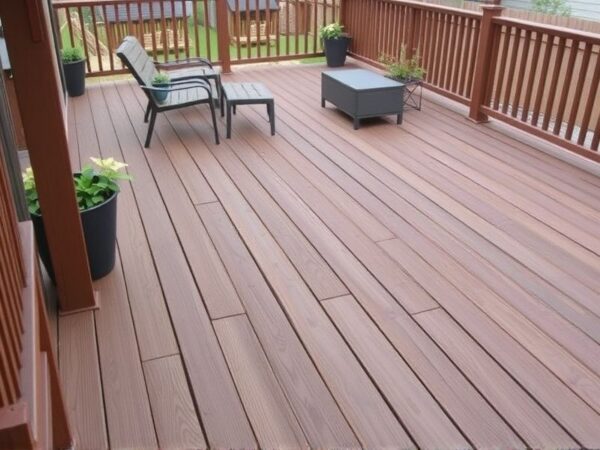
Affordable Cheap WPC Decking China: Durable & Low-Maintenance Outdoor Solutions
Why Cheap Doesn’t Mean Low Quality
Let’s get one thing straight – when we say “cheap WPC decking China”, we’re talking about value, not cutting corners. Picture this: You’re building a deck that needs to survive monsoon rains, scorching summers, and those sneaky termites eyeing your investment. Chinese manufacturers have cracked the code by blending recycled wood fibers (about 60% in most cases) with eco-friendly plastics to create decking that laughs in the face of Mother Nature’s mood swings.
Here’s the kicker – these boards don’t just survive the elements, they practically thrive in them. Unlike traditional wood that warps faster than a pretzel in steam, WPC maintains its shape even when humidity hits 90%. And those UV stabilizers? They’re like sunscreen for your deck, keeping colors from fading even after 5+ years of direct sunlight. Makes you wonder why anyone still uses regular paint, right?
Customization That Actually Makes Sense
Remember when “cheap” meant choosing between gray and… slightly darker gray? Those days are gone. Suppliers in Guangdong and Zhejiang province now offer 25+ color options ranging from “Weathered Teak” to “Bamboo Fresh”. I recently saw a resort in Bali using textured WPC that perfectly mimicked rare tropical hardwoods – guests couldn’t believe it wasn’t the real (and way more expensive) thing!
Here’s a pro tip: Ask about embossing patterns. The good factories use steel molds that create realistic wood grain textures you can actually feel. Some even mix different particle sizes in the composite to create natural-looking variations. It’s like getting a custom designer deck without the custom designer price tag.
Show Me the Money: Cost Comparisons That Matter
Let’s talk numbers – but not the boring spreadsheet kind. Imagine you’re covering a 500 sq ft patio. Traditional hardwood? You’re looking at $8,000+ just for materials. Premium plastic decking? About $6,500. Our Chinese WPC star? Around $3,750 including shipping. That’s enough savings to add a fire pit and still have cash left for margaritas!
But wait – there’s more. Factor in maintenance costs. Hardwood needs refinishing every 2-3 years ($$$), while plastic decks get scratched and faded. WPC? A quick scrub with soapy water keeps it looking fresh. Over 10 years, the total cost difference becomes astronomical. Why pay more for materials that require constant upkeep?
What Smart Buyers Ask For
I’ll let you in on industry secrets – not all WPC is created equal. When vetting suppliers, demand to see:
1. ASTM certifications (look for D7032 specifically)
2. Lead content reports (should be 0% – some shady operations cut costs here)
3. Sample cross-sections – the color should run through the entire board, not just the surface
Oh, and about those bulk discounts… Most factories offer price breaks at 3+ container loads. But here’s a hack – team up with other buyers through trading platforms to hit MOQs. One client of mine saved 22% by combining orders with a hotel chain in Dubai!
From Factory to Your Backyard: Shipping Made Simple
Ever heard horror stories about shipments getting stuck in customs? Avoid the drama by insisting on:
– FOB terms (you control the shipping company)
– Proper fumigation certificates
– Palletized packaging with corner protectors
Most Chinese suppliers have this down to a science. A reliable partner can get your decking from Qingdao port to Los Angeles in about 18 days. Pro tip: Schedule shipments during non-peak seasons (Feb-April) for faster turnaround and better rates.
Green Credentials That Actually Matter
Let’s face it – “eco-friendly” gets thrown around too much. But with WPC, the sustainability story adds up. We’re talking 80-90% recycled materials in most cases. I visited a factory last year that uses scrap from furniture manufacturers and recycled grocery bags. Their production process uses 40% less energy than traditional decking methods. Even better? At end-of-life, the material can be fully recycled again. That’s a win-win situation!
Here’s something cool – some innovative manufacturers are now incorporating rice husks and bamboo fibers into their composites. Not only does this reduce agricultural waste, but it creates unique grain patterns you won’t find in regular wood. Talk about turning trash into treasure!
Real-World Applications That Shine
Wondering where this stuff actually works best? Let me paint a picture:
– Poolside Paradise: That classic “hot deck” problem? WPC stays cool enough for bare feet even in direct sun
– Rooftop Restaurants: Lightweight enough for structural considerations but tough enough for heavy foot traffic
– Beach Houses: Salt spray? No problem. The material resists corrosion better than aluminum
– Eco-Resorts: Combines sustainability with that natural aesthetic guests love
Just last month, a marina in Florida replaced their teak docks with Chinese WPC. The maintenance crew literally high-fived when they realized they’d save 300+ labor hours annually on sanding and staining!
Common Concerns – Debunked
“But I heard WPC gets moldy!” Let’s set the record straight. Properly formulated composite resists mold – the key is UV-stabilized additives and sealed surfaces. Always check for anti-microbial treatments in the specs.
Another myth? “It looks fake.” Modern manufacturing has come a long way. The best boards have variegated coloring and embossed textures that even fool contractors. Pro tip: Request “multi-tone” production runs for the most natural appearance.
Your Action Plan
Ready to dive in? Here’s my battle-tested checklist:
1. Get samples from at least 3 suppliers (physical samples, not just photos)
2. Test them yourself – try scrubbing with bleach, leave in water for a week, walk on them with heels
3. Negotiate payment terms – 30% deposit with 70% against BL copy is standard
4. Plan installation – these boards cut like butter with standard wood tools
Remember, the cheapest quote isn’t always the best value. One client learned this the hard way when their “bargain” WPC faded within a year. Stick with suppliers who’ve been in the game for 5+ years and can provide real client references.
Final Thoughts
At the end of the day, choosing cheap WPC decking from China isn’t about settling – it’s about being smart with your money without compromising on quality. Whether you’re a homeowner creating your backyard oasis or a developer working on a 50-unit complex, this material delivers where it counts. And let’s be real – who wouldn’t want to spend those maintenance savings on actual vacations instead of deck upkeep?
Got questions I didn’t cover? Hit up suppliers’ live chat features – most have English-speaking reps available 24/7. Just don’t blame me if you end up redesigning your entire outdoor space!

Reviews
There are no reviews yet.