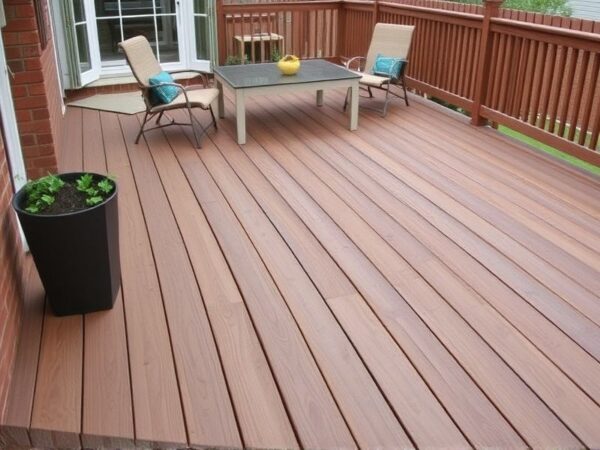
2024 WPC Decking Price List: Compare Costs & Budget Options
What Really Drives WPC Decking Prices?
Let’s cut through the marketing jargon – when you’re staring at a WPC decking price list, you’re really looking at three big factors playing tug-of-war with your wallet. First up: what’s actually in the boards. Those decks labeled “premium”? They’re usually packing more hardwood fibers (think 60%+) and fancy polymer blends. But here’s the kicker – the cheaper options using recycled plastics might save you 15-20% upfront, though they might feel a bit more like your kid’s Playskool tiles underfoot.
Size matters more than you’d think. Those beefy 1.25” thick boards everyone’s Instagramming? They’ll cost you about 30% more than standard 1” profiles. And don’t get me started on surface textures – that hand-scraped look you love could add another $1-2 per square foot. Pro tip: Check if the warranty changes with different textures – some manufacturers get picky about “surface alterations”.
Brand Showdown: Trex vs Fiberon vs The Rest
Let’s play the comparison game. Trex’s mid-range Transcend line? You’re looking at $8-10 per sq.ft. – not bad for that realistic wood grain. Fiberon’s Good Life collection undercuts them slightly at $7-9, but watch out for their limited color options. The real dark horse? Smaller brands like NewTechWood offering basic composites around $5-6/sq.ft. Perfect for that backyard shed roof nobody sees.
Here’s a quick reality check from last month’s quote I helped with:
| Brand | Entry-Level | Mid-Range | Premium |
|---|---|---|---|
| Trex | $6.50 | $8.75 | $11+ |
| Fiberon | $5.95 | $8.25 | N/A |
| Generic | $4.80 | $6.30 | $8.50 |
Notice how the gaps widen at higher tiers? That’s where material quality really separates the contenders from the pretenders.
The Hidden Costs That Bite Back
Here’s where most first-timers get ambushed. That $7/sq.ft. WPC decking price? It’s just the opening act. Let’s talk substructure – using standard pressure-treated wood supports vs. aluminum framing. The metal option could double your install costs, but might save headaches (and cash) when your local termites come knocking.
Installation fees are the wild card. Contractors typically charge $4-8/sq.ft. for WPC – less than wood’s $6-10 since it’s easier to handle. But wait! Those fancy hidden fastener systems? They’ll add 10-15% to labor costs. And don’t forget the “while we’re here” tax – 80% of crews will suggest upgrading railings or lighting once they’re on site.
When Should You Buy? Timing Is Everything
Want to game the system? Decking prices do this weird dance all year. Spring’s peak season sees prices jump 5-7% – everyone wants their Memorial Day BBQ ready. But catch the late summer slump (July-August) and you might snag last year’s colors at 10-15% off. One client scored Fiberon’s Sanctuary line at $7.20/sq.ft. just by waiting out a September inventory clearance.
Bulk buying can save big – but only if you’ve got the space. Most suppliers offer 5-8% discounts for 500+ sq.ft. orders. Pro move: Split a 1,000 sq.ft. order with your neighbor. Just make sure you both want the same color – nobody needs a property line deck dispute.
Long-Term Math: WPC vs Wood
Let’s play the 10-year game. That $10/sq.ft. WPC deck stings upfront, but factor in annual wood maintenance:
- No weekend staining marathons
- Zero splinter emergency room visits
- Half the cleaning time (power wash vs. hand-scrubbing)
Most homeowners break even in 6-8 years. Bonus: Insurance companies often give better rates for fire-resistant composites. Check with your provider – it could shave $100+ off annual premiums.
Real-World Scenarios: What Actually Works
Remember Sarah from Phoenix? She went with Trex Enhance Basics ($6.80/sq.ft.) for her pool deck. Three years later, it still looks crisp despite daily cannonball contests. Meanwhile, my cousin Dave cheaped out on $4.50/sq.ft. generic boards – now he’s got warped plants that look like skateboard ramps.
If you’re near the coast, spring for the marine-grade stuff. Salt air eats regular composites for breakfast. And for those shady northern spots? Go lighter colors – dark WPC can get slicker than a hockey rink when moss moves in.
Final Tip: Read Between the Lines
Next time you’re browsing a WPC decking price list, play detective. Check if the warranty covers fade resistance (hint: most don’t after Year 3). Ask about batch consistency – nothing ruins a project like mismatched boards from different production runs. And always, always get samples. That “walnut” color online might look more like mud pie in your actual sunlight.
At the end of the day, the right WPC deck balances upfront costs with long-term lifestyle savings. Whether you’re budgeting for a cozy fire pit area or a resort-style patio, remember – your perfect deck’s out there. It just might take some savvy shopping to uncover it.


Reviews
There are no reviews yet.