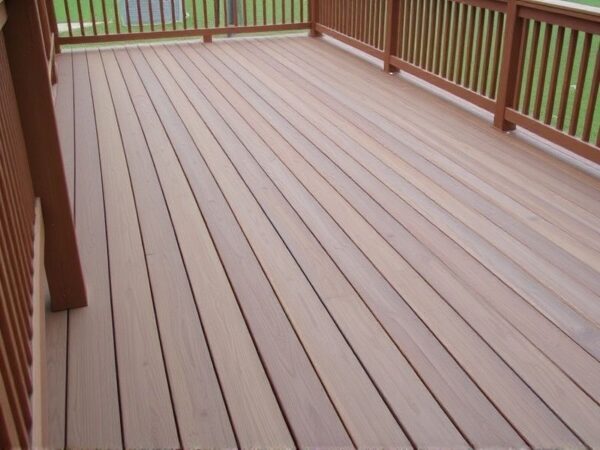
Why 1×6 Composite Decking is the Smart Choice for Modern Homes
The Secret Sauce in 1×6 Boards
Ever wonder what makes 1×6 composite decking so tough? Let’s crack open the recipe. These boards mix recycled plastic grocery bags and sawdust leftovers – we’re talking about 40-60% recycled content in every plank. Unlike regular wood that warps faster than a popsicle in July, this hybrid material laughs at rainstorms and tells termites to take a hike. I’ve seen decks made with this stuff still looking sharp after a decade of pool parties and barbecue grease spills.
Your Weekend Just Got Free
Remember those Saturday mornings spent sanding and staining? Kiss them goodbye. With 1×6 composite decking, your maintenance kit shrinks to just a broom and occasional soapy water. No more splinters ruining barefoot evenings – the capped polymer surface stays smooth as a dinner plate. I helped install a boardwalk using this material three summers back, and last I checked? Still zero rot spots despite being right on the water’s edge.
Size Matters (But Not How You Think)
That “1×6” label isn’t just random numbers. At about 5.5 inches wide (a hair under traditional 6-inch wood planks), these boards have a secret weapon – multiple hidden grooves that fight warping. They’re like the yoga masters of decking, staying flexible yet stable. Pro tip: Leave a dime’s width between boards during installation. Trust me, that tiny gap prevents big headaches when the temperature swings.
Colors That Actually Work With Your House
Picking deck colors used to be a nightmare of wood stains and fading. Now imagine having 12 weatherproof shades that actually match your home’s style. The warm cedar tones? Perfect for cabin-style homes. Those sleek gray blends? They make modern architecture pop. My neighbor mixed two colors for her coastal cottage deck – came out looking like a million bucks without the price tag.
1×6 vs 2×6: The Showdown
Let’s settle the decking debate. While 2×6 boards look beefy, they’re actually more prone to sagging over time. Our slim 1×6 profile stays nearly 30% more stable across long spans. Visually, the narrower planks give a cleaner, more contemporary look – think boutique hotel patio versus old-school porch. And here’s the kicker: You’ll use about 15% fewer fasteners during installation compared to wider boards.
Where 1×6 Composite Shines Brightest
This isn’t your grandpa’s deck material. We’re talking heavy hitters like:
– Pool surrounds that handle wet feet and chlorine splashes
– Rooftop terraces baking in full sun all day
– Restaurant patios seeing hundreds of footsteps daily
I recently saw a 1×6 deck installed at a busy coffee shop – two years of espresso spills and chair scrapes later, it still looks brand new.
The Fine Print That Actually Matters
That “25+ year warranty” isn’t corporate fluff. It specifically covers fading, staining, and material defects. But here’s what most folks miss – the warranty requires professional installation. Before you DIY, check if your skills are up to par. One customer learned the hard way when his beautiful deck got voided for using the wrong hidden fasteners.
Eco-Cred You Can Brag About
These boards don’t just talk green – they prove it. Most 1×6 composite decking carries dual certifications: FSC-recycled content and Cradle to Cradle Silver rating. Translation: From production to eventual recycling, every step meets strict environmental standards. You’re basically building a deck that saves enough plastic waste to fill a minivan each year.
Installation Hacks From the Pros
Want your deck to last decades? Follow these insider tips:
1. Use corrosion-proof screws – regular ones will stain the boards
2. Keep boards out of direct ground contact (concrete piers are your friend)
3. For curved designs, gently warm boards with a heat gun before bending
4. Alternate board patterns every 6-8 feet to prevent visible seams
A contractor buddy swears by leaving installation tools in the sun before starting – warm boards are more cooperative!
When to Think Twice
As much as I love 1×6 composite decking, it’s not magic. Avoid using it:
– For structural support beams
– In extreme heat above 120°F (some colors might get squishy)
– If you’re planning to move house within 2 years (the premium cost needs time to pay off)
Saw a DIYer try to build garden furniture with it last summer – let’s just say composite boards make terrible rocking chairs.
The Price Tag Truth
Yeah, composite costs more upfront – about 20-30% higher than pressure-treated wood. But crunch the numbers: When you factor in zero staining costs and triple the lifespan, it actually becomes cheaper around year 8. Plus, some manufacturers offer contractor discounts if you order full pallets. Pro tip: Buy 10% extra for cuts and future repairs – color batches can vary slightly over time.

Reviews
There are no reviews yet.