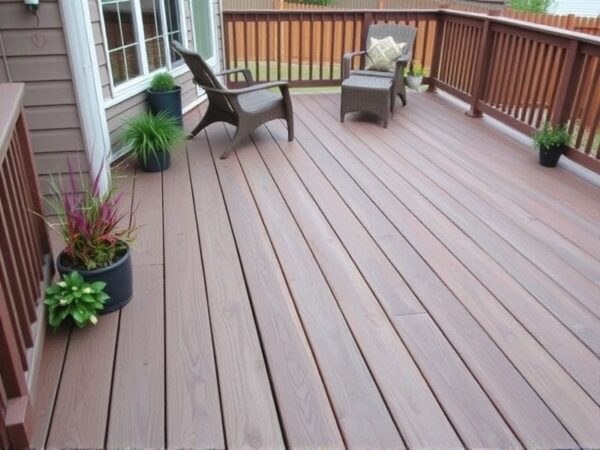
Does Composite Decking Last? The Real Scoop You Need to Know

Let’s Settle This Once and for All
So you’re thinking about installing a composite deck, but that nagging question keeps popping up: “Will this thing actually last?” I get it – nobody wants to drop serious cash on a deck that’ll start looking shabby in a couple years. Let’s cut through the marketing fluff and look at what really matters.
What’s Inside That Deck Board Anyway?
Picture this: your morning smoothie, but for decking. Composite boards are basically a blend of recycled plastic (think milk jugs and grocery bags) and wood fibers (like sawdust leftovers from lumber mills). Most brands use about 40-60% plastic to 60-40% wood, though exact recipes vary. The magic happens when they’re baked together under high pressure – creating something that’s neither fully plastic nor wood, but sort of a superhero version of both.
The Longevity Showdown: Composite vs. Wood
Remember that friend who swore their pressure-treated pine deck would last 20 years? How’d that work out? In reality, even well-maintained wood decks typically start showing their age around the 10-15 year mark. Composite? We’re talking 25-30 years for mid-range products, with some premium brands pushing past 35. The kicker? That’s without annual staining, sealing, or sanding.
| Material | Average Lifespan | Yearly Maintenance Time | Weather Resistance |
|---|---|---|---|
| Pressure-Treated Wood | 10-15 years | 15-20 hours | Moderate |
| Cedar | 15-20 years | 10-15 hours | Good |
| Composite (Mid-Grade) | 25-30 years | 2-3 hours | Excellent |
Why Your Climate Matters More Than You Think
Here’s something they don’t always tell you – composite behaves differently in Arizona vs. Alaska. In super hot climates, darker colors might show slight warping over time. Coastal areas? Salt air won’t eat away at composites like it does with metal fasteners in wood decks. I once saw a Maine beach house deck that looked brand new after 12 years of nor’easters – the secret was proper spacing between boards during installation.
The Maintenance Myth Busted
“Low maintenance” doesn’t mean no maintenance. Here’s the real deal:
- Twice-yearly soap-and-water scrub
- Immediate cleanup of BBQ grease spills
- Keeping potted plants elevated
That’s about it. Compare that to my neighbor’s annual deck-staining ritual – he basically loses a weekend every fall to keep his cedar deck from turning gray.
Cost Over Time: The Math That Actually Matters
Yeah, composites cost more upfront – we’re talking maybe 2-3 times the price of pressure-treated wood. But let’s do the real math:
- $5,000 composite deck over 30 years = $167/year
- $2,000 wood deck (plus $500 maintenance every 5 years) over 15 years = $233/year
Suddenly that “expensive” option looks pretty smart. Plus, you can’t put a price on not worrying about splinters!
Real People, Real Decks
Take the Johnson family in Minnesota – they installed a composite deck in 2008. Sixteen years later, it’s survived -40° winters, three toddler generations, and a poorly aimed firework. The worst damage? A faint scorch mark they now call “character.” Or that lakeside restaurant in Michigan that replaced their wood deck three times in 20 years before switching to composite – their current deck is going strong at 12 years with just power washing.
Pro Tips They Won’t Tell You at the Store
Want to squeeze every year out of your deck?
- Leave bigger gaps between boards than recommended – expansion is real!
- Use hidden fasteners instead of face screws
- Choose textured surfaces over smooth – hides scratches better
- Avoid dark colors if you’re in a scorching climate
Oh, and whatever you do – don’t let anyone pressure wash it on the highest setting. Seen too many decks get that sandblasted look from overzealous cleaning!
When Composite Might Not Be Your Hero
It’s not all rainbows – composites can get hotter than traditional wood in direct sun. Not great if you’re barefoot in Phoenix. And while mold resistance is generally good, shady, damp areas might still need occasional treatment. Also, that “no splinter” promise? Mostly true, but I’ve seen sharp edges form on older boards that weren’t properly supported.
The Verdict: Is It Worth Your Backyard Bucks?
If you’re the type who wants to install it and forget it? Absolutely. The 25+ year lifespan holds up if you buy from reputable brands and install it right. But if you love the ritual of annual deck maintenance (some people do!), or need the absolute cheapest option for a short-term rental? Traditional wood might still have its place. For most of us though, composite offers that sweet spot of lasting good looks without the weekend projects.
Quick Answers to Burning Questions
Does color fade?
All decks fade a bit, but quality composites keep their hue better than stained wood. Expect subtle fading rather than drastic color changes.
Can you repair damaged boards?
Yes – but it’s trickier than wood. Most manufacturers offer replacement programs for severely damaged boards.
Do composites get slippery?
Modern textured surfaces are comparable to wood. For pool areas, look for extra-grippy profiles.
At the end of the day, whether composite decking lasts comes down to three things: picking quality materials, proper installation, and basic care. Do those right, and you’ll be hosting backyard BBQs on the same deck when your kids are off to college. Now that’s what I call a good investment!



Reviews
There are no reviews yet.