
WPC India: How This Eco-Friendly Wonder is Redefining Indian Construction
Ever walked past a beautiful wooden deck that somehow never seems to rot? Or noticed fencing that stays pristine through monsoon after monsoon? Chances are, you’ve been looking at WPC India products without even knowing it. Let’s unpack why architects and homeowners are going crazy over this material that’s quietly revolutionizing how we build.
What’s Cooking in the WPC Kitchen?
WPC India isn’t your grandpa’s lumberyard material. Imagine taking sawdust that would normally go to waste, mixing it with recycled plastic bottles, and adding some secret sauce (okay, binding agents and stabilizers) to create something that looks like wood but laughs in the face of termites. That’s Wood-Plastic Composite for you – nature meets nanotechnology.
Here’s the magic formula they use:
- 60% recycled wood fibers (from furniture factories and sawmills)
- 30% recycled HDPE plastic (hello, repurposed milk jugs!)
- 10% special additives (UV protection, color stabilizers)
Why Your Builder Keeps Talking About This
Remember that friend who bragged about their “maintenance-free” wooden deck that turned into a splintery mess in two years? WPC India products are the actual solution. Take the GreenVista residential project in Bangalore – they swapped traditional wood for WPC decking three years back. The maintenance team now spends 70% less time on deck upkeep. That’s real savings you can take to the bank.
Quick Comparison: WPC vs Old-School Wood
Lifespan: WPC lasts 2-3x longer (25+ years vs 8-10 years)
Maintenance: Annual sealing vs occasional soapy water wash
Weather Resistance: Handles 45°C summers and 90% humidity like a champ
Eco-Factor: Saves 15-20 trees per ton of product used
Where You’re Seeing WPC India in Action
From five-star hotels in Goa to your neighbor’s new balcony, WPC is popping up everywhere. Some cool uses we love:
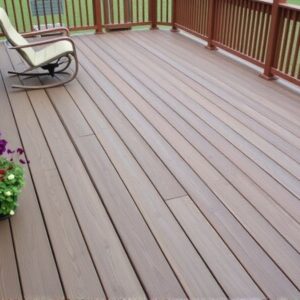
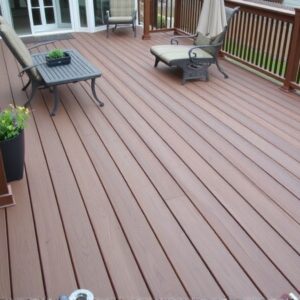
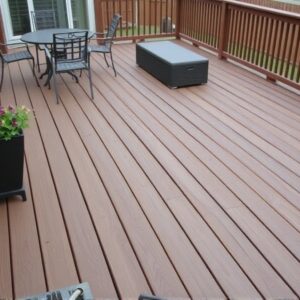
1. The No-Worry Decking: Mumbai’s Marine Drive promenade extension used over 8,000 sqm of WPC decking. Salt spray? No problem. Heavy foot traffic? Bring it on.
2. Fencing That Actually Lasts: A Pune farmhouse owner switched to WPC fencing after replacing wooden posts every 2 years. Five years later? “It still looks installation-day fresh,” he says.
3. Interior Chic: Design studios are going wild with WPC wall panels. The Taj Hotels group recently used textured WPC panels in 12 properties for that rustic-modern vibe.
The Numbers Don’t Lie
India’s WPC market is booming – growing at over 20% annually. But why the sudden surge? Three big reasons:
- Government push for green building materials (hello, GST reductions!)
- Millennials willing to pay 10-15% more for sustainable options
- Architects tired of client complaints about rotting wood
Pro Tip: Choosing Your WPC Wisely
Not all WPC is created equal. When shopping:
- Check the wood-plastic ratio (60:30 is the sweet spot)
- Look for UV stabilizer content – crucial for Indian summers
- Ask about fire ratings (especially for commercial projects)
- Test surface texture – some cheaper versions feel plasticky
The Future Looks Green (Literally)
As we wrap up, here’s a fun fact: The WPC used in just one medium-sized housing project saves enough plastic waste to fill an Olympic swimming pool. With major players like Century Ply and Greenply entering the WPC India space, this isn’t just a trend – it’s the new normal in smart construction.
Next time you’re planning a renovation or construction project, ask yourself: Do I want to keep fighting with termites and weather damage, or join the WPC revolution? Your future self (and the planet) will thank you.

Reviews
There are no reviews yet.