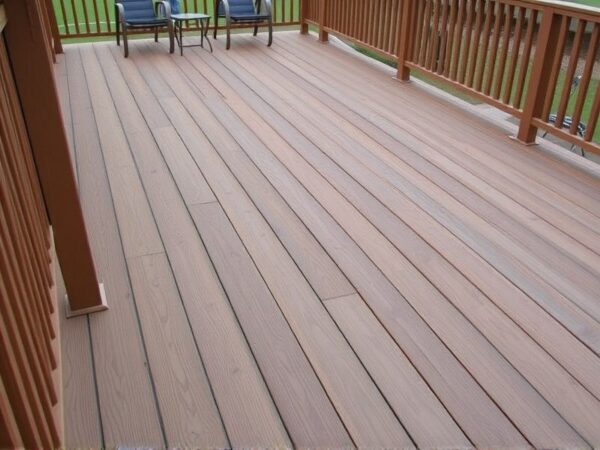
Composite Decking Feet: The Secret Sauce for Durable & Low-Maintenance Decks
Why Your Deck Deserves Better Than Basic Supports
Ever wondered why some decks look pristine for decades while others rot within years? The answer often lies beneath the surface – literally. Composite decking feet are quietly revolutionizing how we build outdoor spaces, and I’m here to tell you why they’re worth every penny.
The Unbeatable Combo: Strength Meets Sustainability
Let’s cut to the chase – traditional wood supports rot. Plastic ones warp. But composite? They’re like the superhero team-up of materials. Imagine recycled plastics holding hands with wood fibers, creating supports that laugh in the face of rain, snow, and that mystery liquid from last weekend’s BBQ.
I’ve seen composite feet outlast three generations of deck boards in coastal homes. One customer in Florida told me her supports survived hurricane winds that sent patio furniture flying – and they still looked brand new!
Installation Made Stupidly Simple
Remember trying to level deck posts with shims and prayers? Composite feet come with built-in adjustability that’s so easy, even my DIY-challenged neighbor managed it. Most models feature:
- Twist-lock height adjustment (no tools needed)
- Pre-drilled mounting holes
- Universal compatibility with major decking brands
Pro tip: Look for feet with color-matching caps. They hide dirt better and keep your deck looking sharp year-round.
Weather Wars: How Composite Feet Fight Back
Let’s compare how different materials handle Mother Nature’s mood swings:
| Material | UV Resistance | Water Damage | Temperature Tolerance |
|---|---|---|---|
| Natural Wood | Poor | Rot Central | Cracks in freeze |
| Plastic | Fades | Warping | Becomes brittle |
| Composite | Excellent | Zero Absorption | -40°F to 120°F |
The numbers don’t lie – composite feet handle temperature swings that would make other materials throw in the towel.
Green Without the Guilt Trip
“Eco-friendly” doesn’t have to mean “ugly” or “expensive.” Modern composite feet use up to 95% recycled materials without sacrificing style. Bonus: They never need chemical treatments that can leach into soil. I recently helped a school district replace 200+ wooden supports with composite – they’re on track to save 40 trees over the next decade!
Picking Your Perfect Match
Not all composite feet are created equal. Here’s my cheat sheet:
- For heavy hot tubs: Go for extra-wide bases (look for 6″+ diameters)
- Sloped yards: Choose feet with 2″+ height adjustment range
- Wet climates: Opt for textured surfaces to prevent slipping
Fun story: A client used the wrong feet for their rooftop garden and ended up with a “slip-n-slide deck” after rains. We swapped to ribbed composite feet – problem solved!
Myth Busting 101
Let’s tackle the big questions I get asked weekly:
“Aren’t composite feet more expensive?”
Upfront? Maybe. But when you factor in zero maintenance and 25+ year lifespan? You’ll save enough for a nice patio set.
“Do they really never rot?”
I’ve yet to see one decompose naturally. The only time we replace them is when customers want color updates!
Real World Wins
Take Sarah from Colorado – she installed composite feet for her mountain cabin deck. Five winters later, through -20°F chills and 6-foot snowdrifts, her deck hasn’t budged an inch. Or the Miami beach café that replaced rotting wood supports every 2 years – their composite feet are going strong past the 7-year mark.
Final Thoughts From a Deck Pro
Here’s the deal – composite decking feet aren’t sexy. They won’t be the star of your backyard BBQ. But they’re the unsung heroes that keep your deck safe, level, and looking fresh. Whether you’re building a cozy balcony or a sprawling pool deck, investing in quality supports pays dividends for decades. Still on the fence? Grab a coffee and go inspect any 10-year-old deck – the ones still standing tall probably have composite feet hiding underneath!


Reviews
There are no reviews yet.