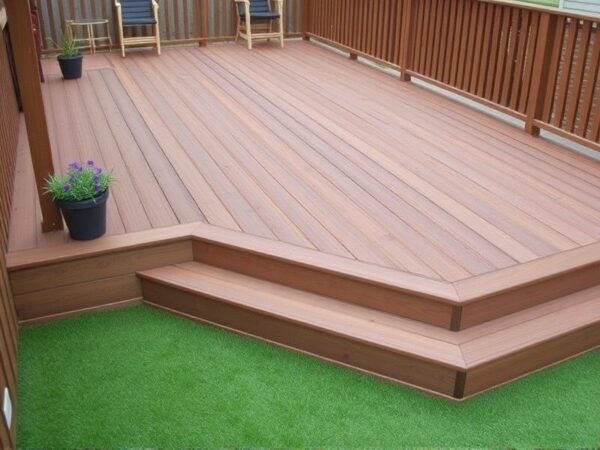
What You Need to Know About Composite Decking Boards Prices
The Great Composite Decking Debate: WPC vs Capped Boards
Let’s cut through the marketing jargon – when shopping for composite decking, you’re really choosing between two main types. The classic WPC (that’s wood-plastic composite for the uninitiated) usually contains about 50/50 wood fibers and plastic. Then there’s the newer kid on the block – capped composites with a protective polymer shell that makes them more durable (and pricier).
Here’s the kicker: While basic WPC boards might start around $3.50 per square foot, the capped versions can easily hit $8+. But before you balk at the price difference, remember that cheaper isn’t always better. That extra polymer layer means you’ll spend less time scrubbing mildew or worrying about fading. I’ve seen homeowners replace their “budget” WPC decks in half the time of capped ones – talk about false economy!
WPC vs Capped Composite: What’s the Real Cost?
| Feature | Standard WPC | Capped Composite |
|---|---|---|
| Price per sq.ft | $3.50 – $5.00 | $6.00 – $8.50+ |
| Staining Needed | Every 2-3 years | Never |
| Warranty | 10-15 years | 25-30 years |
Size Matters (But Maybe Not How You Think)
Those board dimensions aren’t just about looks – they directly impact your wallet. Wider boards (think 6″ vs standard 5.25″) can cost 15-20% more, but here’s the secret: You’ll actually need fewer boards overall. For a 400 sq.ft deck? You might save $300-400 on labor despite higher material costs. Pro tip: Ask your contractor about hidden costs – some charge extra for specialty fasteners needed for wider boards.
Length is another sneaky factor. Standard 12-16ft boards work for most decks, but if you’re doing a long run without seams? Those 20-footers can add 30% to your material bill. Unless you’re going for that seamless infinity deck look, maybe stick with standard lengths.
When Brand Names Actually Matter
Let’s be real – Trex and TimberTech aren’t paying me to say this, but their pricing does set the market standard. A mid-range Trex board runs about $6.50/sq.ft, while generic brands might offer similar specs for $4.75. But here’s what they don’t tell you at the big box stores: Those savings often come with shorter warranties and less UV protection.
Recently helped a client compare three brands for their lakeside deck. The premium brand’s boards cost 25% more upfront but came with better fade resistance and a transferable warranty – crucial when they sell their vacation home later. Sometimes that brand premium pays for itself in resale value alone.
The Seasonal Price Rollercoaster
Want to save big? Time your purchase right. Most manufacturers hike prices 5-8% in spring when everyone’s dreaming of backyard BBQs. But here’s a little secret – distributors often have last year’s stock they need to move by November. I’ve seen clients save up to 15% by buying during the “off-season” and storing boards over winter.
Regional availability plays a role too. Coastal areas tend to have better prices on moisture-resistant formulas, while mountain regions might see premiums for UV-stable products. Pro tip: Check with local lumber yards instead of national chains – they often have better deals on bulk orders.
Eco-Credentials That Actually Affect Pricing
That recycled content isn’t just feel-good marketing – it impacts your bottom line. Boards made with 95%+ recycled materials typically cost 10-15% more, but here’s why it’s worth considering: Many municipalities offer tax rebates for sustainable building materials. In California, some clients have recouped 30% of their deck costs through green building incentives.
Look for certifications like GREENGUARD or FSC Mix labels. While they might add 5-8% to the price tag, these often indicate better manufacturing processes that translate to longer-lasting decks. Remember – a deck that lasts 25 years instead of 15 is essentially 40% cheaper per year!
The Maintenance Money Pit
Let’s do some real talk about traditional wood decks. Sure, pressure-treated pine might cost $2.50/sq.ft installed. But add in annual power washing ($300), staining every 2-3 years ($500+), and potential board replacements? Over 10 years, that “cheap” wood deck could end up costing more than composite.
Here’s a real-world example: My neighbor’s 400 sq.ft wood deck cost $4,000 installed. After 7 years of maintenance and partial replacements? They’ve spent over $6,500 total. Meanwhile, my composite deck cost $8,000 upfront but only needed occasional cleaning – saving both money and weekends!
Smart Buying Strategies
Bulk buying can slash costs – but only if you play it right. Most suppliers offer discounts at 500 sq.ft purchases (about 10% off) and bigger breaks at 1,000 sq.ft (15-20%). But beware of overordering “just to hit the discount.” Better to team up with neighbors doing similar projects and split a bulk order.
Watch for “mixed lot” deals where suppliers sell leftover colors/styles at 25-40% off. Perfect for those who don’t mind a creative color scheme or have hidden areas like under-deck storage. Last fall, a client saved $1,200 by using mismatched boards for their deck’s underside – completely invisible once finished!
The Installation Wild Card
Here’s where many DIYers get stung – hidden installation costs. Those fancy hidden fasteners? They can add $0.75/sq.ft compared to standard screws. Specialty tools like composite cutting blades? Another $100-200 if you’re not set up already.
Pro tip: If you’re hiring out, get quotes that separate material and labor costs. Some contractors markup materials 20-30% – you might save big by sourcing boards yourself. But make sure they’ll warranty work on customer-supplied materials first!
Future-Proofing Your Investment
Thinking about selling your home? Composite decks can recoup 70-80% of their cost in added home value according to recent studies. But color choice matters – neutral tones like gray and brown have broader appeal. That bold red deck you love? It might actually decrease resale value for some buyers.
Consider lighting and accessory costs upfront. Low-voltage LED systems (about $15/linear foot) can transform your deck into an evening oasis. Built-in planters or bench seats? Factor in 10-15% extra for these upgrades that make the space truly special.
The Final Verdict
At the end of the day, composite decking isn’t a one-size-fits-all purchase. While capped composites generally offer better long-term value, a WPC might make sense for rental properties or temporary structures. The key is matching the product to your specific needs – both functionally and financially.
Remember to factor in your local climate (harsh winters? salty air?), usage patterns (pets? heavy foot traffic?), and how long you plan to stay in the home. Sometimes paying a bit more upfront for the right product pays dividends for decades. Happy deck building!
Reviews
There are no reviews yet.