Why Partnering With a WPC Supplier in Iraq Makes Sense for Your Next Build
When the Desert Sun Meets Smart Materials
You know how brutal Iraqi summers can get – we’re talking about surface temperatures that could fry an egg on concrete. That’s exactly why builders across Baghdad and Basra are switching to WPC (wood-plastic composite) materials from local specialized suppliers. These aren’t your grandfather’s building materials; we’re looking at a game-changer that laughs in the face of 50°C heatwaves.
Where You’ll Spot WPC in Action
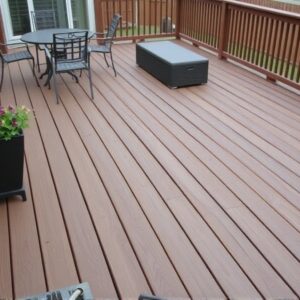
Let me paint you a picture: Imagine a new riverside restaurant in Mosul using WPC decking that stays cool underfoot even at midday. Or a Baghdad housing complex with fencing that hasn’t warped after three sandstorms. That’s the reality contractors are creating with Iraqi WPC suppliers these days.
Survival of the Toughest Materials
Here’s the kicker – traditional wood warps like crazy in our humidity swings, and metal? Don’t get me started on corrosion costs. WPC from good suppliers handles temperature swings from freezing winter nights to scorching summer days without breaking a sweat. I’ve seen samples that went through 15 years’ worth of accelerated weathering tests looking barely worn.
| Material | Lifespan in Iraq | Annual Maintenance Cost |
|---|---|---|
| Traditional Wood | 3-5 years | $20-30/m² |
| WPC | 15+ years | $5-8/m² |
More Than Just Surviving – Why It Pays Off
Ahmed, a contractor friend in Erbil, switched to WPC cladding last year. His maintenance callbacks dropped by about 70% – and get this – he’s now winning bids against competitors still using traditional materials. The initial cost might make you blink, but when you factor in zero rotting, no repainting, and minimal repairs? You do the math.
Customization That Actually Makes Sense
Remember those beige concrete boxes that dominated Iraqi architecture? Thank God those days are over. The best WPC suppliers here offer color options that actually work with our landscape – think desert ochres mixed with modern greys. Some even texture the surfaces to mimic traditional patterns without the maintenance headaches.
Spotting the Real Deal Suppliers
Here’s my pro tip: Any supplier worth their salt will have certifications like ISO 14001 for environmental management. Ask to see their UV stabilization test results – if they hesitate, walk away. And definitely check if they’ve worked on projects similar to yours. The good ones will have photos of their materials holding up after a few years in our climate.
Success Stories That Don’t Feel Like Ads
The Al-Fayha residential complex near Kirkuk used WPC for their entire exterior. Three years later, their maintenance team literally has nothing to do except occasional cleaning. Compare that to their previous steel-and-wood structure that needed constant touch-ups… you see why developers are making the switch?
What’s Next for Eco-Friendly Building Here?
We’re starting to see WPC mixed with date palm fibers – talk about local innovation! Some suppliers are experimenting with integrated solar panel surfaces. The future’s looking bright (and a lot more durable) for Iraqi construction.
Your Move, Smart Builder
Next time you’re planning a project, ask your WPC supplier in Iraq these three questions: 1) Can I see your climate testing data? 2) What’s your production lead time during peak season? 3) Got any client references within 100km of my site? Their answers will tell you everything you need to know.
At the end of the day, choosing the right WPC supplier here isn’t just about materials – it’s about building smarter in a climate that demands resilience. And let’s be honest, who wants to keep replacing decking every few years when you can install it once and forget about it?
Reviews
There are no reviews yet.