
”
If you’re like me and cringe at the thought of annual deck staining, you’ve probably eyed composite decking as a savior. But let’s be real – when I first saw the price tags, my eyebrows nearly hit the ceiling! Here’s the thing though: those initial numbers don’t tell the whole story. From what I’ve seen helping neighbors with their garden makeovers, composite decking in the UK is like that reliable friend who never asks for much maintenance but needs proper understanding upfront.
 The magic happens in the mix – imagine recycled plastic hugging wood fibers tighter than a Londoner clinging to their umbrella in April showers. But here’s where it gets juicy: while basic versions start around £40 per m² (think of it as the ‘starter home’ of decking), the posh stuff can flirt with £100. I once made the mistake of forgetting installation costs – rookie error that added 30% to my budget!
Want to know a secret? The real wallet-saver is in the long game. Unlike traditional wood that demands yearly TLC, my composite deck just needs a quick scrub. As the team at WP Cexperts showed me, choosing the right supplier makes all the difference. Pro tip: spring for UV-resistant boards unless you fancy your deck fading faster than a British summer.
 Last summer’s project taught me that hidden costs creep up like weeds. Delivery fees vary wildly between suppliers – I nearly choked when one quoted £200 for transport! Moral of the story? Get multiple quotes and ask about package deals. The upfront investment might pinch, but three years later, I’m still sipping G&Ts on my splinter-free deck while friends are re-staining theirs. Now that’s what I call a garden victory!
Let’s cut to the chase – when I first considered composite decking for my garden makeover, I kept hearing it’s “wood but better”. Well, here’s the real deal: this modern marvel combines wood fibres (usually recycled sawdust) with plastic polymers to create deck boards that laugh in the face of British weather. Imagine your neighbour’s beautiful timber deck that’s constantly needing staining? Composite gives you that natural wood aesthetic without the weekend maintenance nightmares.
Now here’s where it gets interesting – the magic happens in the blending process. Different manufacturers use varying ratios (typically 40-60% wood content) which affects both the look and the price tag. I’ve seen some premium boards that had me doing double-takes – you’d swear they were freshly cut timber until you touch them. The plastic component? That’s what makes these boards shrug off rot, fading, and those pesky splinters that ruin summer barbecues.
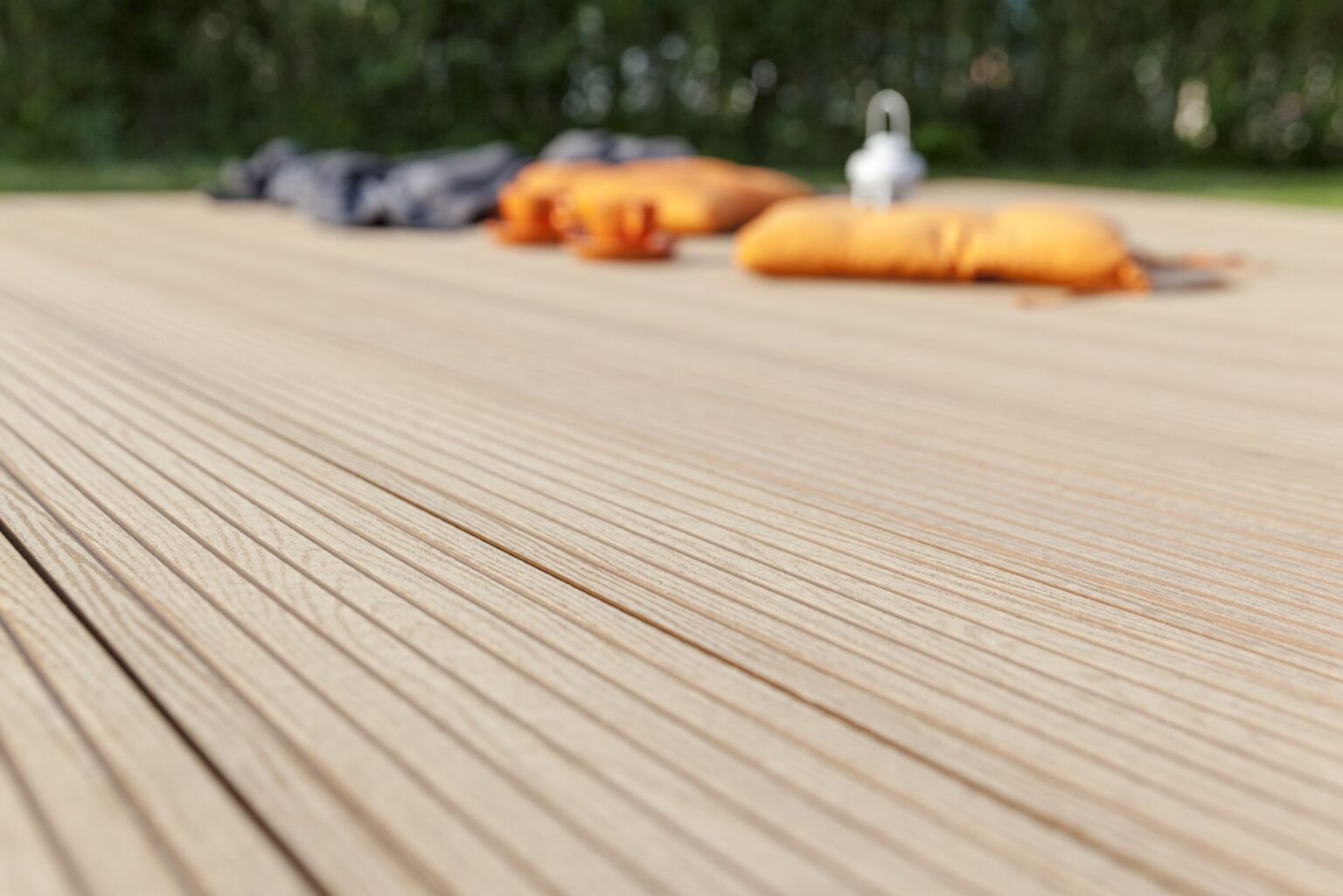
Don’t just take my word for it – my mate Dave installed his composite deck three summers back and swears he’s not touched it with more than a soapy sponge since. While traditional wood decks become high-maintenance relationships, composite is more like that easy-going friend who never demands attention. Curious about how this translates to costs? Our fencing experts break it down in simple terms that won’t make your wallet cry.
What Really Drives Composite Decking Costs in the UK?
Having installed over a dozen decks across Manchester, I’ve learned composite pricing isn’t as straightforward as it seems. Let me break it down for you – that gorgeous low-maintenance deck you want? Its price tag depends on five key elements you should know about.
The Material Mix Matters
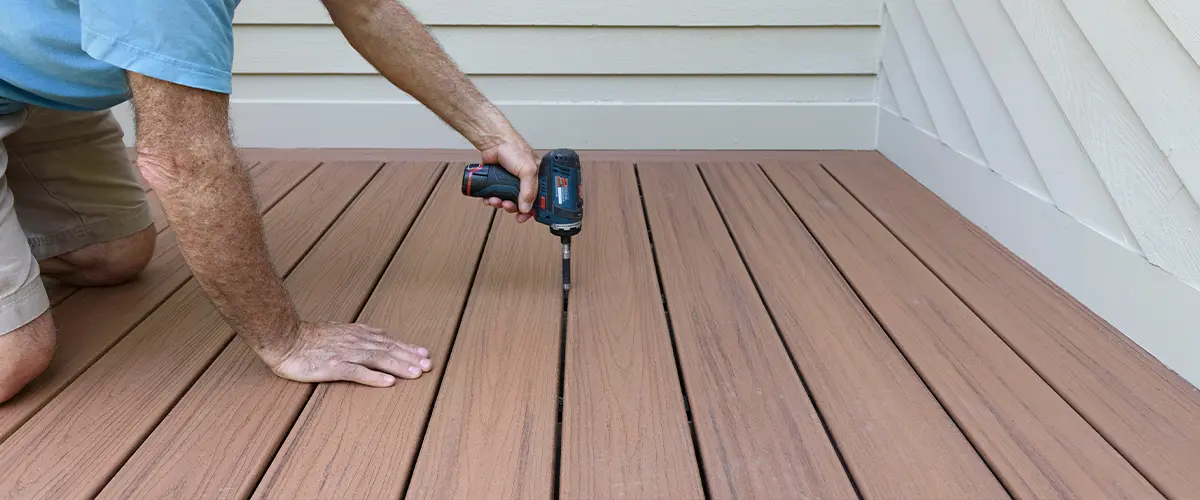
Picture this – last summer I helped a client choose between two similar-looking boards. The £35/m² option contained 40% wood fibers, while the £55 version had 60%. That extra wood content doesn’t just improve durability – it makes the deck feel more like real timber underfoot. Higher quality composites use virgin plastics too, which resist fading better than recycled materials.
Brand Power & Hidden Value
Ever noticed how established brands charge 10-15% more? There’s a good reason. When my neighbor’s generic deck boards warped after 18 months, his cheaper warranty proved worthless. Meanwhile, my Trex deck came with a 25-year guarantee that actually honored replacement boards when we had a manufacturing defect. You’re not just paying for the name – you’re buying peace of mind.
Aesthetic Upgrades Add Up
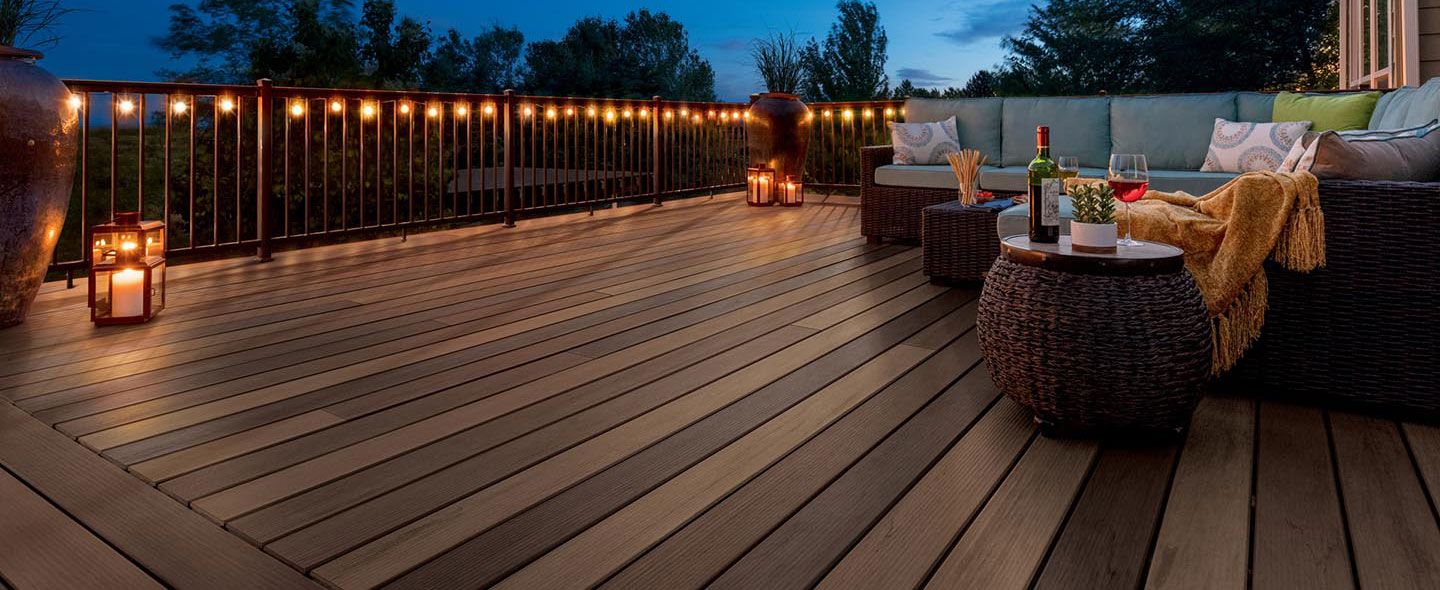
Here’s a secret most suppliers won’t tell you – that trendy charcoal finish could cost 20% more than basic brown. Textured surfaces mimicking wood grain? Another 15% premium. I recently used Beatsons’ new embossed line for a client’s patio – the realistic texture justified the extra cost, but basic boards work fine for utility areas.
Size & Complexity Considerations
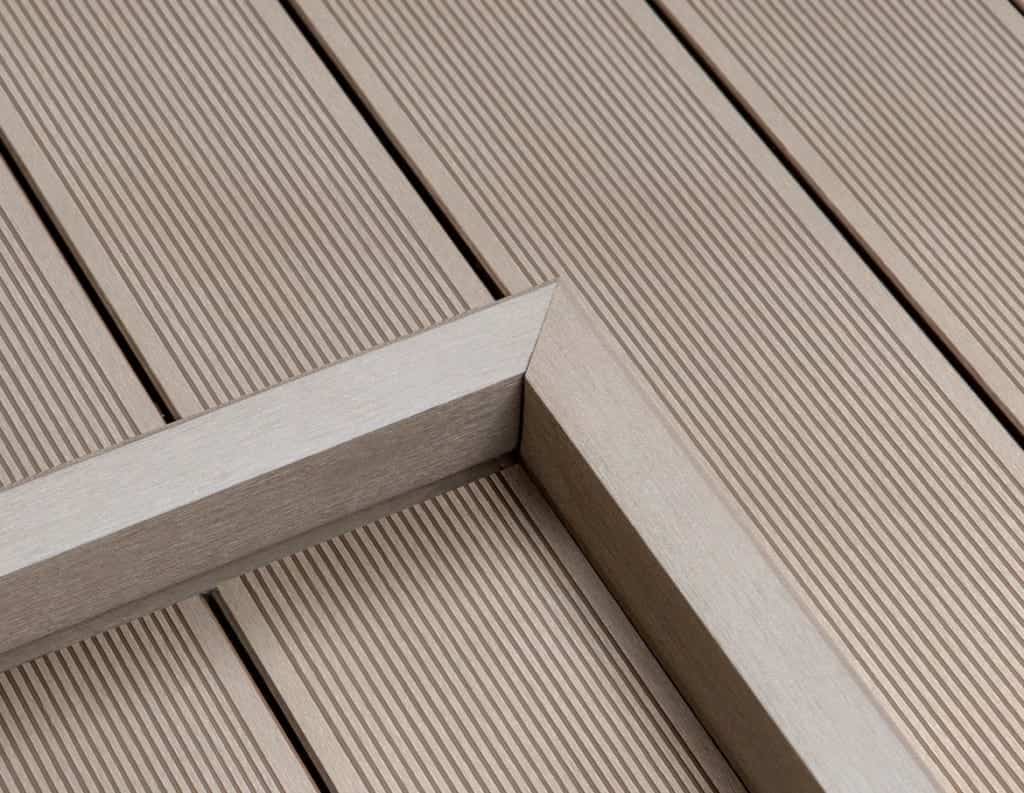
Wider boards (150mm vs standard 140mm) can surprisingly add £3-5/m². For a 20m² deck, that’s an extra £60-100 just for slightly broader planks! Curved edges or multi-level designs? I recently quoted £1,800 for a simple rectangle deck vs £2,400 for the same area with built-in planters and steps. Pro tip: Keep shapes simple if budget’s tight.
Remember – while DIY can save 30-40% on labor, I’ve seen too many botched installations end up costing more to fix. Unless you’re handy with tools, professional installation through certified installers might be worth the investment.
When planning your dream outdoor space in the UK, you’ll quickly discover composite decking offers a tempting balance of style and practicality. But let’s cut to the chase – what’s this going to do to your wallet? From my experience helping neighbors with their garden makeovers, I’ve seen prices swing between £40 to £100 per square meter depending on what you’re after.
 The entry-level stuff (we’re talking £40-£60/m²) works perfectly if you’re after basic functionality. I helped my mate Dave install some standard boards from a local supplier last summer – it’s held up well against our unpredictable weather, though the color options were limited.
Now, if you want something that’ll make the Joneses next door green with envy, the premium range (£60-£80/m²) is where things get interesting. These boards have a richer texture – almost like the real timber they used at my cousin’s countryside cottage, but without the annual maintenance headaches. The extra cash gets you better fade resistance too, crucial for south-facing gardens.
 At the top end (£80-£100/m²), you’re entering showhome territory. I recently saw a luxury installation in Chelsea that genuinely fooled me into thinking it was tropical hardwood. The secret? Higher wood fiber content and specialized manufacturing techniques. While it’s a significant investment, clients tell me the 25+ year warranties help justify the cost.
Here’s the kicker though – these price brackets aren’t just about materials. The thickness plays a big role too. Thinner boards (22-25mm) sit in the lower range, while chunkier 30mm+ profiles command premium prices. My pro tip? Don’t skimp on thickness if you’re using it for raised decks or high-traffic areas.
Remember, while the initial outlay might make you gulp compared to pressure-treated wood, factor in the savings on stains, sealants, and weekend maintenance. As my nan would say – “Buy cheap, buy twice!”. Though in this case, maybe “Buy smart, relax longer” would be more appropriate!
Understanding Composite Decking Grades in the UK Market
When I first researched composite decking for my own garden project, I was surprised by the variety available. Let me break it down for you the way I wish someone had explained it to me. The entry-level option – what suppliers call ‘standard’ composite decking – gives you that plastic-wood hybrid look without breaking the bank. Picture those boards with about 40-50% wood fibers mixed in recycled plastics. They do the job, but you can tell they’re not the real deal when you run your hand across the surface.
Now here’s where it gets interesting. Step up to premium composite decking (the sweet spot for many homeowners) and you’re looking at a material that feels more substantial underfoot. These boards typically contain 60-70% wood fibers – I’ve seen some brands like Trex use advanced compression molding that makes the surface almost indistinguishable from tropical hardwoods. The extra density means better resistance to those pesky wine spills and barbecue grease stains we all dread.
But wait until you see the luxury tier. Last summer, I visited a showroom where the high-end composite boards had me doing double-takes. With wood fiber content pushing 80-90%, these planks have actual grain patterns you can feel. Some manufacturers even include ‘knots’ and ‘sap channels’ – though I did chuckle at the irony of artificially recreating nature’s imperfections!
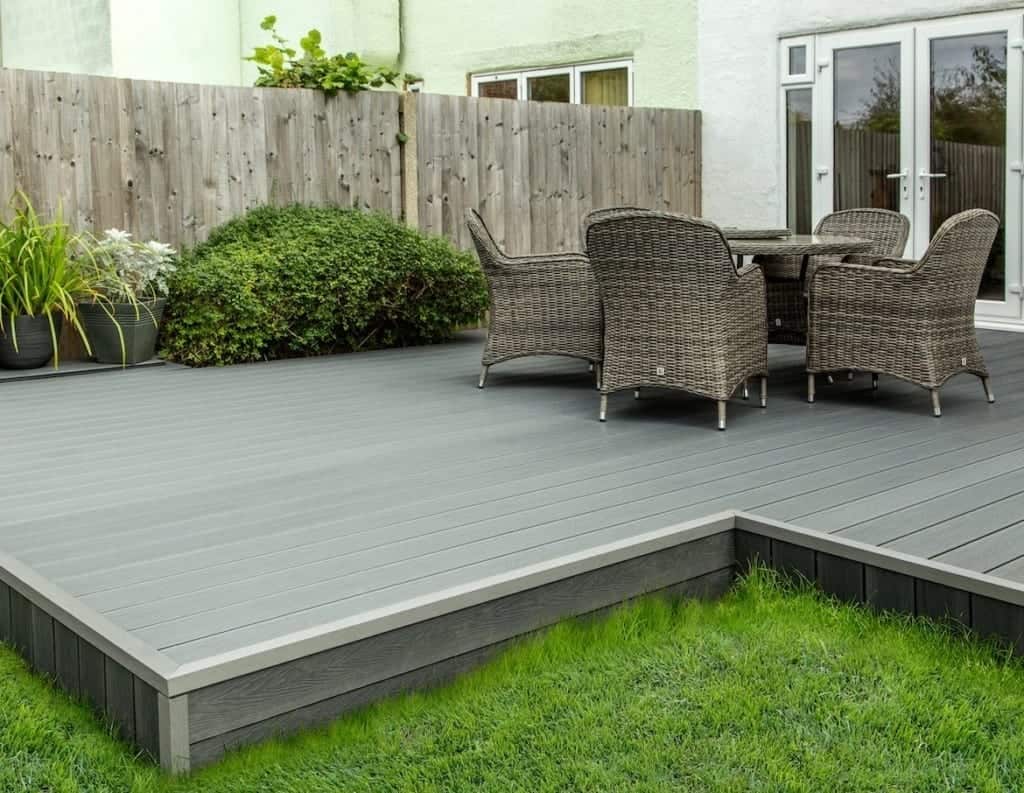
Here’s the kicker though – while the luxury options look stunning, they come with a price tag that’ll make your wallet wince. A contractor friend told me about a client who insisted on top-tier composite decking, only to realize later they could’ve installed real ipe wood for similar costs. Makes you think – is that last 10% of wood-like authenticity worth the premium?
Pro tip: Don’t get seduced by showroom samples alone. Ask suppliers for off-cut pieces to see how each grade handles scratches and UV exposure over time. After all, what good is a perfect-looking deck if it starts fading after one British summer?
When budgeting for your composite decking project, don’t make the mistake of only focusing on material costs – there’s more to the story. Let me share what I’ve learned from helping neighbors with their garden makeovers. Delivery charges can sneak up on you, especially if you’re ordering from a supplier further away. I recently helped source materials where transportation added nearly 10% to the total bill!
Now about installation – while you might be tempted to save money with a DIY approach (who doesn’t love a weekend project?), proper deck fitting is trickier than it looks. Most professionals charge between twenty to forty quid per square meter. 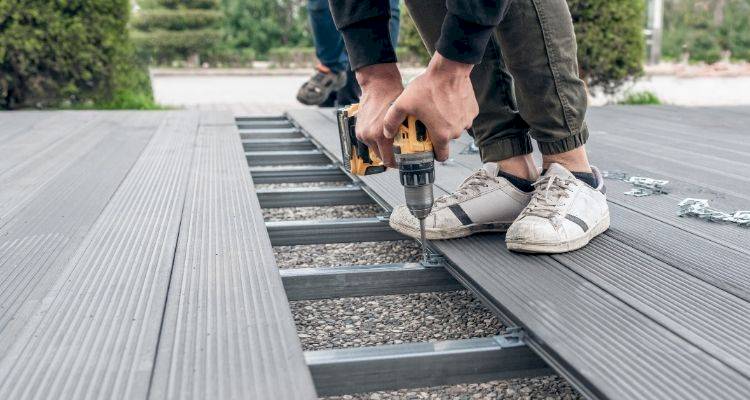 That includes not just labor but crucial elements like proper subframe preparation and drainage considerations. Remember Sarah from next door? Her ‘quick DIY install’ ended up needing professional corrections later!
Here’s the silver lining though – once it’s in place, composite decking becomes the gift that keeps on giving. Unlike traditional wood that needs annual TLC, you’re looking at just occasional soap-and-water cleaning. No more splinter worries or stain touch-ups every spring. For reliable maintenance tips, check out this landscaping resource I’ve found helpful over the years.
Pro tip: When comparing quotes, ask suppliers if they include delivery in their pricing. Some local companies offer free transportation within certain areas, which could save you a couple hundred pounds. And if you’re set on DIY, maybe compromise – get a pro to handle the tricky bits like stair connections or curved edges.
Real-World Example: What My Neighbour Spent on a 20m² Composite Deck
Let me walk you through an actual project I recently helped price out for a friend in Bristol. They wanted a decent-sized composite deck replacing their old timber platform that had seen better days. We settled on a 20-square-meter area – not too big, not too small, just right for their family barbecues.
Starting with materials, we chose mid-range composite boards at around £55 per m². Now here’s where first-timers often get tripped up – you can’t just multiply 20 by £55 and call it a day. We needed to factor in wastage (always add 10-15% extra) and those essential but easy-to-forget items like hidden fasteners and trim pieces. All told, the material bill came to about £1,320 including VAT.
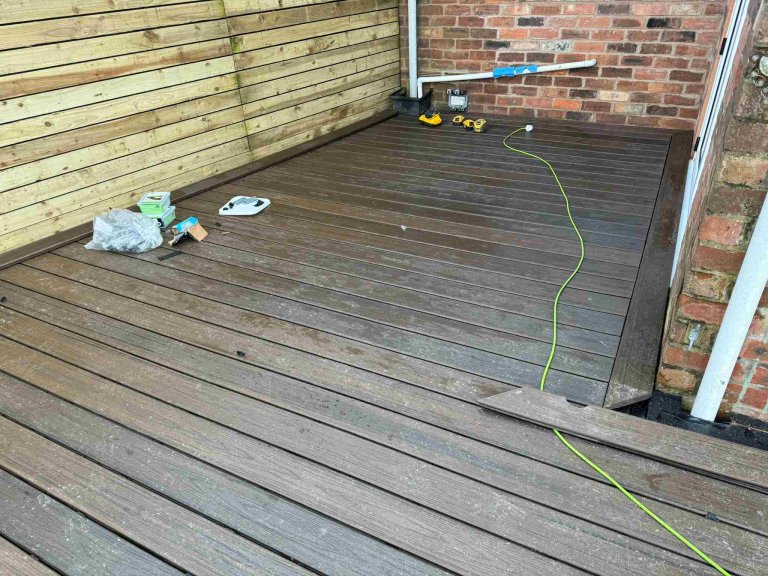
Transportation costs surprised them – living outside the city centre added £185 to the total. Pro tip: Always check if your supplier offers free delivery within certain areas before committing. The installation crew charged £35 per m², which seems standard these days for proper tradespeople. That added another £700 to the tab.
Here’s the kicker – those “little extras” everyone forgets. They needed to replace some rotten joists (£180), add safety railings (£450), and throw in some decorative lighting (£250). Before they knew it, those add-ons pushed the total to £3,085. Moral of the story? Always budget 15-20% extra for unexpected costs – as the pros at WP Fencing Experts rightly advise.
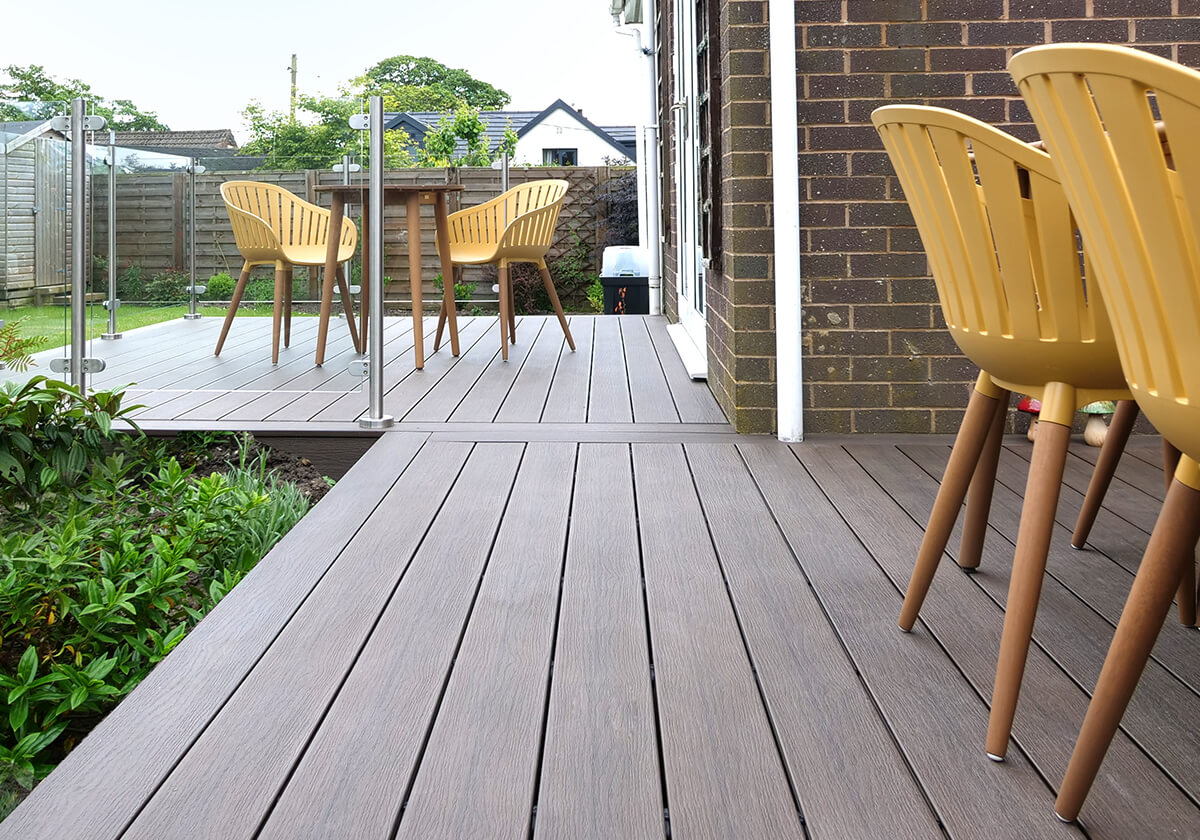
Now you might be thinking “Could I save money by DIY-ing it?” Sure, if you’re handy – but composite decking requires specific tools and techniques. One wrong move and you could end up with warped boards or worse. My advice? Get at least three quotes from reputable installers and compare what’s included. Some include ground prep in their quote, others don’t – it makes a big difference!
Getting to grips with composite decking costs here in the UK can feel a bit like trying to predict the weather – you know there are variables involved, but where do you even start? From my experience helping neighbours with their garden makeovers, I’ve found that comparing at least 3-4 suppliers really opens your eyes to what’s possible. You wouldn’t buy the first car you test drive, right? The same logic applies here.
Let me share a quick story – my mate Dave nearly blew his budget last spring because he didn’t factor in those sneaky hidden installation costs. Turns out, the thickness of the boards he chose required special fixings that added 20% to his quote! That’s why I always tell people to ask suppliers ‘What’s not included in this price?’ before committing.
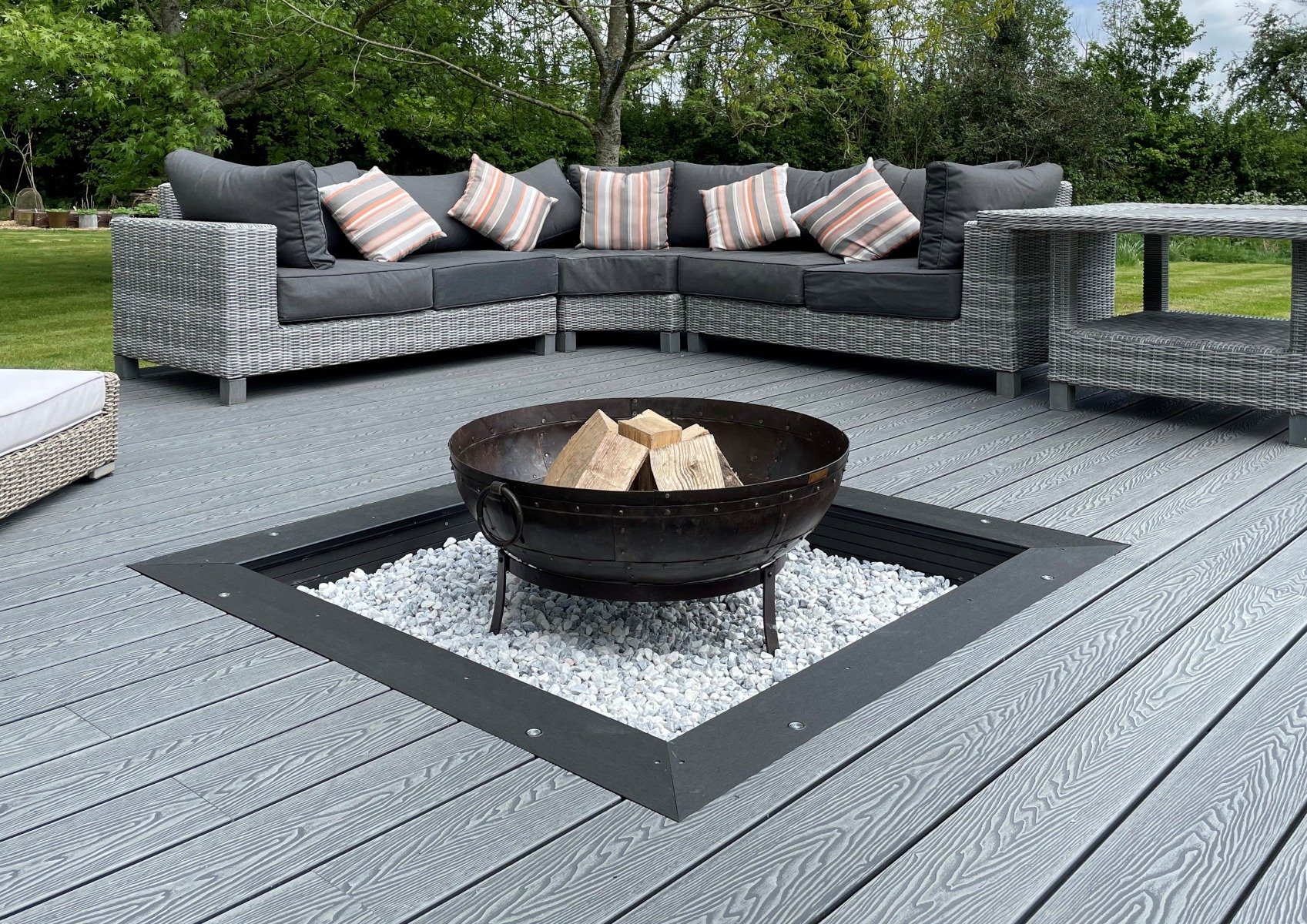
Here’s the thing most DIY stores won’t tell you – colour choices can swing prices by up to 35%. Those trendy charcoal grey boards everyone’s going mad for? They often come with a premium price tag compared to traditional wood tones. But before you settle for cheaper brown shades, consider this – darker composites actually hide dirt better, potentially saving cleaning costs down the line.
Wondering how the pros keep costs down? Seasonal buying patterns make a huge difference. I’ve noticed suppliers often offer their best deals in late autumn when garden projects wind down. Last November, I snagged premium composite planks at 15% off just by timing my purchase right. It’s like catching the January sales for your garden!
Let’s talk brass tacks – yes, you might pay more upfront than for treated timber. But have you calculated what you’ll save on stains, sealants, and replacement boards over 5 years? My cousin’s pressure-treated pine deck needed £200+ in maintenance annually, while my composite version? A quick scrub with soapy water once a year does the trick. The maths speaks for itself really.
At the end of the day, getting your composite decking budget right comes down to three things – shopping around (don’t be shy to negotiate!), thinking long-term (cheap now doesn’t mean cheap forever), and being honest about your DIY skills. Get these elements right, and you’ll be sipping Pimm’s on your perfect low-maintenance deck before you know it!