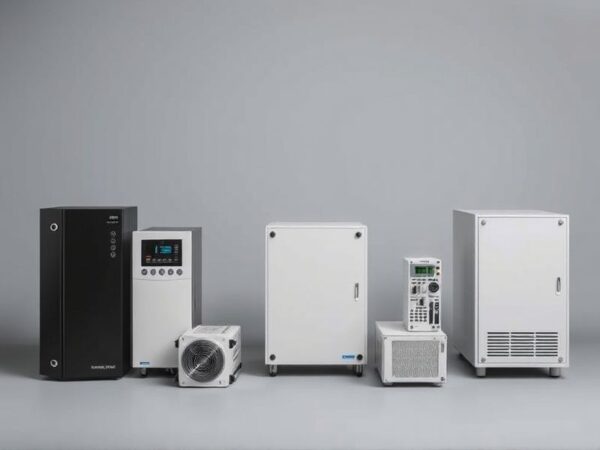
WPC Standard Devices: The Hidden Heroes Behind Your Wireless Charging Experience
When Your Coffee Table Becomes a Charging Station
You know that satisfying click when you drop your phone on a wireless charger? That’s WPC standard devices working their magic. These unsung heroes of modern tech are why your smartwatch charges overnight without fiddling with cables, or why some hospitals now use cordless medical tools. Let’s peel back the layers on these power-transfer wizards.
WPC (Wireless Power Consortium) standards are like the universal language of wireless charging. Whether it’s your $1,000 smartphone or a warehouse robot costing ten times that, they all “speak” the same Qi protocol. Last year alone, over 2 billion devices shipped with this tech – that’s more than the population of North America and Europe combined!
What Makes These Little Boxes So Smart?
At their core, WPC standard devices are matchmakers between electricity and thin air. The basic setup? A transmitter coil humming at 110-205 kHz and a receiver coil in your device. But here’s the cool part – they’re constantly whispering to each other. “Hey phone, how much juice do you need tonight?” “Just 80% please, I want to preserve battery health.”
| Feature | Baseline | Extended |
|---|---|---|
| Power Output | Up to 15W | Emerging 30W+ |
| Efficiency | 70-80% | 85%+ (lab tests) |
| Alignment Tolerance | ±10mm | ±30mm |
But specs only tell half the story. I recently saw a restaurant chain installing WPC standard devices in tables – customers just set down their phones while eating. No more hunting for outlets! That’s the real magic – making power access disappear into the environment.
Why Your Next TV Remote Might Never Need Batteries
Let’s talk real-world magic. Take electric vehicles – some parking spots now have charging pads using WPC standards. You pull in, the car starts charging automatically. No plugs, no remembering to charge. It’s like your phone charger learned to drive!
In healthcare, imagine surgical tools that sterilize themselves on charging pads between operations. No more battery compartments collecting germs. One hospital reported reducing prep time between surgeries by nearly 20 minutes per procedure – that’s huge when lives are on the line.
The Compatibility Dance
Ever tried charging a new phone on an old wireless pad? Frustrating, right? WPC standard devices solve this through backward compatibility. The latest Qi v2.0 spec still works with devices from 5+ years ago. It’s like your grandfather’s radio suddenly understanding Spotify playlists!
Three key things to check for compatibility:
- Look for the Qi logo (that little sideways triangle)
- Match power needs – your 15W phone won’t charge faster on a 30W pad
- Alignment matters – some pads need precise placement
Pro tip: If your phone gets warm while charging, it might not be fully compatible. The best WPC standard devices manage heat through smart frequency adjustments.
When Wireless Power Gets Industrial
Beyond consumer gadgets, WPC tech is revolutionizing factories. I visited a plant where autonomous robots charge themselves at workstations – no downtime. Their secret? High-power WPC standard devices delivering 1kW+ through 4 inches of concrete!
Comparison time: Traditional charging vs WPC-enabled
| Factor | Wired | WPC Wireless |
|---|---|---|
| Maintenance Costs | High (connector wear) | Low |
| Dust/Water Resistance | Compromised | IP68 achievable |
| Charging Cycles | ~10,000 | Unlimited |
One factory manager told me: “Our maintenance calls dropped by half since switching to WPC standard devices. No more broken charging ports on our AGVs!”
What’s Next? Charging Through Walls?
The future’s looking wild. Researchers are testing WPC tech that can charge devices several meters away. Imagine walking into your office and your laptop starts charging automatically. No pads, no nothing – just ambient power!
Three coming attractions:
- Smart Surfaces: Entire desks or countertops becoming charge zones
- Dynamic Power Sharing: Your phone borrows power from your tablet when needed
- Bi-Directional Flow: Your EV could power your house during outages
But there’s a catch – safety. Current WPC standard devices use precise magnetic fields, but longer distances need different approaches. The consortium is working on new standards as we speak, focusing on efficiency and safety.
Choosing Your Wireless Warrior
With hundreds of WPC devices out there, how to pick? Look for:
- Official Qi certification (check WPC’s website)
- Thermal management features
- Compatibility with your device’s maximum charging speed
Personal advice? Don’t cheap out on no-name brands. A $15 charger might fry your $1,200 phone’s battery. Stick with reputable manufacturers – your battery health will thank you later.
The Quiet Revolution in Your Pocket
Next time you casually drop your phone on a charger, remember – there’s a whole ecosystem of WPC standard devices making that magic happen. From the coil designs to the handshake protocols, it’s a ballet of engineering that we now take for granted.
Whether it’s keeping medical devices running safely or enabling the smart factories of tomorrow, these unsung heroes are reshaping how we interact with technology. And the best part? We’re just scratching the surface of what wireless power can do.
So – ready to cut the cord for good? Your devices already are.




Reviews
There are no reviews yet.