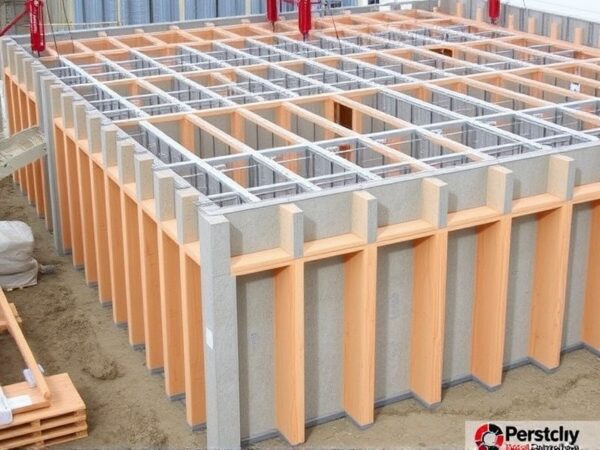
Why Builders Are Switching to WPC Construction Formwork (And You Should Too)

Let’s talk about something that keeps construction pros up at night: formwork that warps, rots, or just can’t keep up with tight deadlines. Enter WPC construction formwork – the game-changer that’s turning “we’ve always done it this way” into “why didn’t we switch sooner?”. I’ve seen everything from warped plywood disasters to steel formwork rusting out after two pours. WPC? It’s like the superhero version of traditional materials, minus the cape.
The Nuts and Bolts of WPC Formwork
WPC (Wood-Plastic Composite) formwork combines recycled wood fibers and polymers into boards that laugh in the face of moisture. Unlike traditional timber that swells like a sponge or steel that rusts faster than you can say “coastal project”, this stuff just keeps its shape. The secret sauce? About 60% recycled materials in most mixes – think sawdust from furniture factories and reclaimed plastic packaging.
Where Traditional Formwork Falls Short
Remember that hotel project where the plywood formwork warped after three days of rain? Or the bridge job where saltwater corrosion ate through steel forms in months? With WPC construction formwork:
- Water absorption rates are 90% lower than regular wood
- You get 3-5x more reuses compared to standard plywood
- Installation time drops by about 30% thanks to lighter weight
| Feature | WPC Formwork | Plywood | Steel |
|---|---|---|---|
| Weight per m² | ~12kg | ~18kg | ~40kg |
| Reuses | 30-50 cycles | 5-10 cycles | 100+ cycles |
| Water Resistance | Excellent | Poor | Good |
| Edge Straightness | ±1mm/2m | ±5mm/2m | ±0.5mm/2m |
Real Projects, Real Results
Take the Marina Bay residential tower in Singapore – 55 stories of high humidity challenges. The contractor switched to WPC construction formwork halfway through when their plywood started delaminating. Result? Saved 15 working days on upper floors and reduced formwork waste by 70%.
Or the Oslofjord Bridge repair in Norway where salt spray was eating through steel forms every 6 months. After switching to WPC panels three years ago, they’re still using the same set for seasonal repairs. The site manager told me: “We’ve stopped budgeting for formwork replacement – it just doesn’t happen anymore.”
Making the Switch Without Headaches
Here’s the thing – WPC formwork isn’t magic. You need to:
- Plan your cutting patterns in advance (this stuff’s tougher than regular wood)
- Store panels flat, not on their edges
- Use release agents specifically made for composite materials
Pro tip: When bidding jobs, factor in that you’ll recover about 40% of your WPC formwork cost through resale after project completion. Unlike beat-up plywood that ends up as landfill, used WPC panels still have value for smaller contractors.
The Cost Conversation
Yes, upfront costs are higher – maybe 20-30% more than decent plywood. But let’s do quick math:
- Standard plywood: $50/sheet lasting 8 uses
- WPC formwork: $75/sheet lasting 35 uses
Over 35 pours, you’d spend $218.75 on plywood versus $75 on WPC. Suddenly that “expensive” option looks pretty smart, right?
When WPC Shines Brightest
While WPC construction formwork works almost anywhere, it’s golden for:
- High-rise projects with tight cycle times
- Coastal or humid environments
- Projects with complex architectural features
- Green building certifications
Take the Burj Al Arab renovation in Dubai – they needed formwork that could handle curved surfaces in 90% humidity. WPC’s flexibility and moisture resistance cut their formwork installation time in half compared to previous methods.
What the Critics Get Wrong
“But composites can’t handle high pressure!” I’ve heard this a dozen times. Modern WPC formwork panels are rated for concrete pressures up to 60 kN/m² – more than enough for standard pours. For mega projects like dam construction, manufacturers can create custom reinforced versions hitting 100 kN/m².
Another myth? “It’s not really eco-friendly.” Let’s break it down:
- 1 m³ WPC formwork = 300kg recycled materials
- Production energy is 40% less than aluminum forms
- End-of-life panels can be ground and reused in new WPC products
Getting the Most From Your WPC Forms
From my site visits, crews using WPC construction formwork most successfully:
- Use rubber mallets instead of steel for adjustments
- Clean panels with pH-neutral cleaners after each pour
- Store vertically only when using proper racks
- Mark “finished face” sides to maintain surface quality
One project manager in Texas shared a clever trick: “We color-code our WPC panels by thickness. Yellow stripes for 18mm, blue for 15mm. Saves so much time during setup.”
The Future Is Flexible
As architectural designs get wilder – think twisting towers and organic shapes – WPC formwork’s adaptability becomes crucial. Unlike rigid steel, these panels can be heated and formed into temporary curves. I’ve seen them used to create perfect spiral staircases that would’ve required custom metal forms in the past.
Latest innovations include:
- UV-resistant formulations for desert projects
- Fire-retardant versions meeting Class A ratings
- Magnetic edge systems for faster alignment
Your Move, Traditional Materials
At the end of the day, WPC construction formwork isn’t just another material option – it’s a different way of thinking about forming operations. Less waste, fewer delays, and structures that actually stay on budget. The contractors who’ve made the switch? They’re not looking back.
Next time you’re staring at warped plywood or rusting steel, ask yourself: Could my profit margins handle a 30% materials cost reduction? Your answer might just be sitting in a WPC panel.


Reviews
There are no reviews yet.