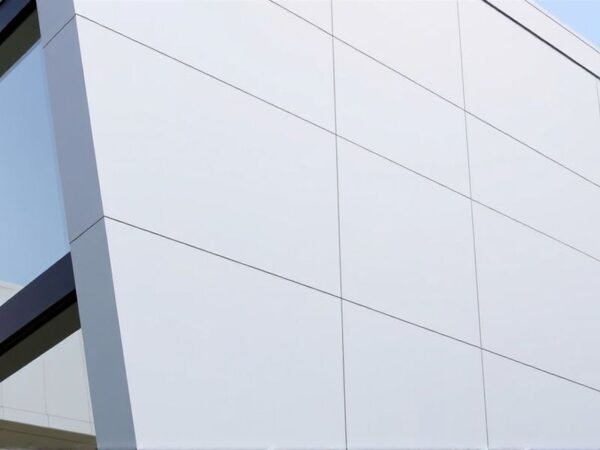
Why Aluminium Composite Panel Cladding UAE Projects Can’t Get Enough Of This Material
The Silent Revolution on UAE Skylines
Walk through Dubai Marina or Abu Dhabi’s Al Maryah Island these days, and you’ll notice something different about the buildings. Those sleek, futuristic facades catching the desert sun? Chances are they’re wearing aluminium composite panel cladding – the construction industry’s best-kept secret that’s not so secret anymore. Across the UAE, architects and developers are swapping traditional materials for these high-performance panels faster than you can say “Burj Khalifa.”
Just last year, over 60% of new commercial projects in Dubai reportedly specified ACP cladding. Why this sudden love affair? Well, when you’ve got a material that laughs in the face of 50°C heatwaves while keeping buildings looking sharp, it’s not hard to see the appeal. But there’s more to the story than just good looks.
What Makes These Panels UAE’s Favorite Weather Warrior
Let’s talk survival skills. Regular building materials in the UAE face what I call the “triple threat” – blistering heat, salty coastal air, and the occasional sandstorm that could strip paint off a car. Traditional cladding? It often ends up looking like my beach towel after a season in Jumeirah – faded and worse for wear.
Enter aluminium composite panels. Their secret weapon? A polyethylene core sandwiched between two aluminium layers that basically creates a force field against the elements. I’ve seen panels installed a decade ago that still look factory-fresh. The Dubai Frame? That iconic structure uses ACP cladding that’s withstood everything from summer monsoons to desert dust storms without breaking a sweat.
Lightweight Doesn’t Mean Light Duty
Here’s something that surprised me – these panels weigh about 60% less than traditional stone cladding. That’s like swapping a bowling ball for a football when it comes to structural load. For high-rises like the recently completed ICD Brookfield Place in Dubai, this weight difference translates to serious cost savings in foundation work.
But don’t let the lightweight tag fool you. The panels used in Abu Dhabi’s new Central Market development can handle wind loads that would make traditional materials quiver. It’s all about smart engineering – the aluminium skin provides rigidity while the core absorbs vibrations. Clever, right?
When Safety Meets Style
Fire safety used to be the elephant in the room for composite panels. Remember the Grenfell Tower tragedy? UAE regulators took note, and now we’ve got some of the strictest fire codes globally. The good news? Modern ACP cladding UAE suppliers offer meets the tough EN 13501-1 fire classification.
Take the recently opened Ain Dubai observation wheel complex. Their cladding solution uses fire-retardant mineral cores that can withstand temperatures high enough to melt regular plastics. It’s safety without compromise – and proof that you don’t have to sacrifice protection for aesthetics.
The Chameleon of Construction Materials
Ever seen a building that looks like liquid metal? Or one that mimics natural stone but costs half as much? That’s ACP cladding showing off its party tricks. The finish options are wild – from metallic sheens to wood textures so realistic you’ll want to check for termites.
The Museum of the Future in Dubai showcases this versatility beautifully. Its curved facade featuring Arabic calligraphy? Made possible by ACP’s flexibility. Try that with traditional tiles! For budget-conscious projects, the material’s ability to mimic premium finishes is a game-changer. I’ve seen developments where ACP convincingly imitates Italian marble at a fraction of the cost.
Real Projects, Real Results
Let’s get concrete (pun intended). The Dubai Creek Tower project is using specialized ACP panels with enhanced UV resistance for its upper levels. Over in Sharjah, the Aljada community opted for anti-graffiti coated panels in high-traffic areas. And let’s not forget the Expo 2020 site – over 40 pavilions relied on ACP cladding for their eye-catching designs.
One of my favorite examples? The recent retrofit of older buildings along Sheikh Zayed Road. By switching to ACP cladding, owners reported energy savings up to 30% thanks to improved thermal performance. Not bad for a cosmetic upgrade!
Navigating the Maze – Choosing Your Panels
Okay, let’s get real. With dozens of suppliers in the UAE market, how do you pick the right panels? First rule – don’t get blinded by price tags. I’ve seen panels from dubious sources fade faster than New Year’s resolutions. Always check for:
- PE core fire ratings (go for Class B or better)
- UV-resistant PVDF coatings
- Local climate testing certifications
Thickness matters too. For most high-rise applications, 4mm panels are the sweet spot. But if you’re doing curved features like those on the upcoming Dubai Circle project, you might need thinner 3mm panels. Pro tip: Ask suppliers for samples exposed to UAE weather for at least 12 months – the proof is in the weathering!
The Maintenance Myth
“But won’t it need constant care?” I hear this all the time. Truth is, ACP cladding is surprisingly low-maintenance. A simple soap-and-water wash twice a year keeps most installations looking fresh. Compare that to glass facades needing weekly cleaning or stone cladding requiring sealing treatments.
That said, coastal projects need extra attention. Salt spray can be sneaky! The Bluewaters Island development uses panels with special anti-corrosion coatings – worth the 10-15% premium if you’re near the water. Remember, proper installation is half the battle. I once saw a perfectly good panel system fail because someone cheaped out on the fixing brackets.
Future-Proofing UAE Architecture
As sustainability becomes non-negotiable, ACP cladding is stepping up. New recycled-content panels are entering the market, with some manufacturers claiming up to 70% recycled aluminium. The upcoming Mohammed bin Rashid City development is reportedly specifying these eco-friendly options.
Looking ahead, we’re seeing smart panels integrated with photovoltaic cells – imagine cladding that generates solar power! While still emerging tech, it shows where the industry’s heading. For now, the combination of durability, design freedom, and decreasing costs makes ACP cladding UAE’s go-to solution for buildings that need to work as hard as they look good.
Quick Buyer’s Cheat Sheet
| Consideration | What to Look For | Why It Matters |
|---|---|---|
| Thickness | 3mm-6mm | Thinner for curves, thicker for high impact areas |
| Coating | PVDF over PE | Better color retention in UV |
| Fire Rating | Class A/B1 | Meets UAE fire codes |
| Core Material | Mineral-filled | Enhanced fire safety |
| Warranty | 10+ years | Manufacturer confidence |
Remember, the cheapest option often becomes the most expensive in the long run. Partner with suppliers who understand UAE’s unique climate challenges – your building’s skin deserves nothing less!
Final Thoughts From the Frontlines
Having watched the UAE’s skyline evolve over the past decade, I’m convinced aluminium composite panel cladding isn’t just a trend – it’s redefining how we build. From protecting against our harsh climate to enabling jaw-dropping designs, this material checks all the boxes. Next time you pass a gleaming new tower, take a closer look. Chances are, you’re seeing the future of UAE construction – one aluminium panel at a time.
Got a project in mind? My two fils: Invest in quality panels, don’t skimp on installation, and work with suppliers who’ve weathered a few UAE summers. Your building’s facade will thank you in 2030!
Reviews
There are no reviews yet.