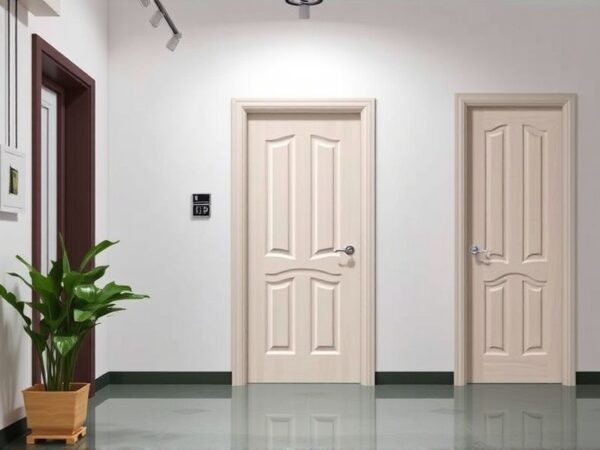
Why Smart Buyers Are Flocking to WPC Door Factories in China
The Secret Sauce Behind WPC Doors
Let’s cut to the chase – what makes wood-plastic composite doors so special? Imagine having a material that laughs in the face of rain, doesn’t warp under pressure, and still looks as good as real wood. That’s WPC for you. Chinese factories have really nailed the formula, blending recycled wood fibers with polymer plastics to create doors that outlast traditional options by years.
China’s Manufacturing Edge You Can’t Ignore
Here’s the thing – when you partner with a solid WPC door factory in China, you’re not just getting a supplier. You’re tapping into decades of material science expertise. Most top-tier factories operate with precision that would make Swiss watchmakers nod in approval. We’re talking automated extrusion lines that maintain tolerances thinner than a hair, and quality checks that happen more frequently than your morning coffee breaks.
Customization That Would Make a Tailor Jealous
Picture this: A hotel chain in Dubai needed 500 identical balcony doors that could withstand 50°C heat and saltwater air. A Guangdong-based WPC factory delivered doors that not only met those specs but came in custom Arabian lattice patterns. That’s the beauty of Chinese manufacturers – they’ll tweak everything from texture depth to UV stabilizer ratios while keeping costs surprisingly manageable.
Eco-Friendly Without the Tree Hugger Price Tag
Let’s bust a myth – going green doesn’t have to break the bank. Top WPC door factories in China are using up to 70% recycled materials in their products. I recently visited a facility in Zhejiang where they were grinding up construction site waste to create new door cores. The kicker? Their prices were still 30% lower than European equivalents using virgin materials.
Specs That Actually Matter
Forget the technical jargon overload. Here’s what you really need to know about WPC doors:
Density: 1.2-1.4 g/cm³ (feels solid without being heavy)
Water Absorption: <0.5% (basically laughs at humidity)
Fire Rating: B1 class (won’t fuel the flames)
Temperature Range: -30°C to 60°C (from Siberia to Sahara ready)
Real-World Toughness Test
Last summer, a coastal resort in Florida replaced their wooden doors with WPC units from a Shandong factory. After hurricane season, while neighboring properties were replacing water-logged doors, these WPC doors just needed a quick rinse. The maintenance manager told me they’ve slashed their door replacement budget by 60% – numbers that make any CFO smile.
Choosing Your Factory Partner
Here’s my golden rule after a decade in the biz: Always ask for “ugly samples.” Any decent WPC door factory in China should show you their rejects alongside perfect samples. This tells you three things: their quality standards, production consistency, and transparency. If they hesitate, walk away faster than you’d skip a suspicious street food stall.
Cost Breakdown That Makes Sense
Let’s talk numbers without the spreadsheet headache. For a standard 2000x800mm WPC door:
– Chinese factory direct: $85-120
– Local distributor markup: $200-300
– Traditional solid wood equivalent: $350+
The math isn’t rocket science – going straight to source cuts out the middleman fat.
Installation Pro Tips
Here’s something most suppliers won’t tell you: WPC doors expand differently than wood. Leave about 3mm gap around frames – not the 5mm you’d use for wood. A contractor friend learned this the hard way when doors started sticking in summer. Simple adjustment, massive difference.
Future-Proofing Your Purchase
Smart factories are now baking antimicrobial additives into WPC mixes. Perfect for hospitals or food processing plants. I’m seeing factories offer 15-year warranties now – unheard of five years ago. It’s like they’re daring you to try and wear these doors out.
When to Walk Away
Red flags I’ve spotted in shady operations:
1. “Our formula is secret” (usually means inconsistent quality)
2. Won’t let you test samples with your own methods
3. Payment terms that feel too good to be true
Trust your gut – if something feels off during factory visits, it probably is.
Seal the Deal Right
Here’s my checklist for finalizing orders:
– Get UV stability test reports specific to your region
– Confirm packaging details (waterproof wrapping is a must)
– Agree on acceptable color variation ranges
– Clarify lead times including customs pre-clearance
Takes an extra day to sort, saves weeks of headaches later.
The Bottom Line
Partnering with the right WPC door factory in China isn’t just about saving money – it’s about accessing manufacturing muscle that’s reshaping global construction standards. Whether you’re outfitting a skyscraper or beachside villas, these factories have evolved from copycats to innovation leaders. The real question isn’t “why China?” but “which China factory?” Do your homework, build relationships, and those doors will keep swinging profit your way for decades.


Reviews
There are no reviews yet.