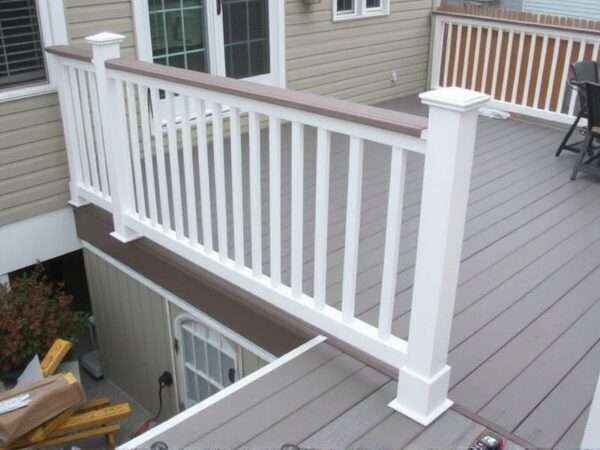
Installing Railing on Composite Decking: A No-Nonsense Guide for Homeowners
So you’ve got that beautiful composite deck installed, and now you’re staring at those open edges thinking…”Okay, how do I actually put railings on this stuff without ruining it?” Don’t sweat it. I’ve helped dozens of homeowners navigate this exact scenario, and let me tell you – it’s way less intimidating than it looks. We’re talking about a weekend project that’ll make your deck safer, more stylish, and way more functional. Let’s break it down.
Why Composite Decking Loves Good Railings
Before we grab the drill, let’s talk about why composite decking and railings are a match made in DIY heaven. Unlike traditional wood that warps and splinters, composite materials stay stable through rain, snow, and those brutal summer BBQs. That means your railing posts won’t loosen up when the deck expands and contracts – a lifesaver if you live somewhere with real seasons.
Remember my neighbor Sarah? She installed basic metal railings on her pressure-treated deck three years ago. Now she’s constantly tightening bolts because the wood keeps shifting. With composite? That’s not your problem. The material’s density (about 1.5 times heavier than cedar) gives railings that solid, high-end feel everyone wants.
What You’ll Need (And What You Can Skip)
Let’s get real about tools. You don’t need that $500 rotary hammer drill collecting dust at Home Depot. Here’s the actual shopping list:
The Essentials
- A decent cordless drill (18V minimum)
- 3″ stainless steel screws (trust me, no shortcuts here)
- Composite-specific post brackets
- 4-foot level (because eyeballing it never works)
Nice-to-Haves
- Rubber mallet for gentle adjustments
- Composite color-matched caulk
- Laser measure (if you’re feeling fancy)
Pro tip: Buy 10% more materials than you calculate. Those “oops” moments happen to everyone – like when I accidentally drilled through a hidden support beam last summer. Good times.
The Actual Installation Process (Without the Fluff)
Post Placement Matters More Than You Think
Start by marking your post locations. Code usually requires posts every 4-6 feet, but check your local regulations. Here’s where people mess up: They assume composite decking is as forgiving as wood. It’s not. Drill pilot holes slightly larger than your screws to allow for thermal expansion – I learned this the hard way when a client’s railing cracked after a heatwave.
Securing Posts Without Tears
Use those composite-specific brackets I mentioned earlier. Screw them into the deck frame (not just the surface boards!) at a slight inward angle. This creates tension that keeps everything rock-solid. If your drill starts smoking like mine did during that 95°F install, take breaks – melted composite is nobody’s friend.
Balusters – Where Style Meets Safety
Spacing is crucial here. The classic 4″ sphere test applies – if a 4″ ball can fit through, it’s not up to code. For modern looks, try horizontal cable rails. Just be warned: They require special tensioning tools and about 30% more installation time based on my last three projects.
Making It Look Like You Hired a Pro
Composite decking comes in a rainbow of colors now. That gray weathered look? Gorgeous with black aluminum railings. Warm walnut tones? Try bronze fittings for that custom feel. I recently did a coastal home where we matched seashell-patterned composite with glass panel railings – the owners still send me thank-you photos every summer.
Railing Material Showdown
| Material | Cost per Foot | Maintenance | Lifespan |
|---|---|---|---|
| Wrought Iron | $$$ | Annual painting | 20+ years |
| Pressure-Treated Wood | $ | Seasonal sealing | 8-12 years |
| Composite | $$ | Occasional wash | 25+ years |
Oops-Proofing Your Project
Let’s talk about the three big mistakes I see every season:
The “It’s Just a Deck” Mindset
Composite might be low-maintenance, but railings need proper footings. That means digging below frost line (usually 12-18″ in most climates) for post stability. Skipping this step led to a complete railing collapse on a lakeside deck I inspected last fall.
Ignoring Expansion Gaps
Composite moves – about 1/8″ per 10 feet in temperature swings. Leave gap space around post bases and use flexible sealant. My rule of thumb: If you think you’ve left enough space, add another 1/16″.
Wrong Fastener Frenzy
Those leftover deck screws from your shed? They’ll stain composite over time. Use only manufacturer-approved fasteners. The $15 extra cost prevents those ugly black streaks that make decks look dated.
Insider Tricks They Don’t Tell You
After installing over 200 composite deck railings, here’s what I’ve learned:
- Pre-drill every. Single. Hole. Composite splits easier than you’d think
- Work early mornings – heat makes composite boards flexible and harder to align
- Use painter’s tape to mark drill spots – it prevents surface scratches
- Invest in a countersink bit – hidden screws make all the difference
Remember that time-lapse video of my team installing a 40-foot curved railing? The secret was warming the composite boards with a heat gun to make them pliable. (Don’t try this without practice!)
Keeping It Pretty With Zero Effort
Here’s why you’ll love composite railings in 6 months: No sanding. No staining. Just occasional soapy water. Compare that to wood railings that need yearly maintenance – I calculate clients save about 20 hours annually on upkeep.
For stubborn stains (looking at you, barbecue sauce), mix equal parts vinegar and water. Scrub with a soft brush. If that doesn’t work, composite manufacturers actually approve using a power washer on low setting – just keep it 12″ away from the surface.
Ready to Transform Your Deck?
Installing railings on composite decking isn’t rocket science – it’s about patience and preparation. Take your time with measurements, invest in the right hardware, and don’t be afraid to call in a pro if you hit a snag. The end result? A stunning outdoor space that’ll have neighbors peeking over the fence (in a good way).
Still nervous? Grab some scrap composite and practice drilling. You’ll be amazed how quickly the technique clicks. And hey – if all else fails, there’s always pizza and calling your handiest friend. Happy building!


Reviews
There are no reviews yet.