
WPC Dielen Verbinder: The Secret Weapon for Smarter Decking Projects
Let’s talk about something that doesn’t get enough attention in decking projects – those little magic pieces called WPC dielen verbinder. You know, those connectors that hold everything together? I used to think they were just boring hardware until I saw how they can make or break a deck. Today we’re diving into why these unsung heroes deserve your attention.
Why Your Deck Needs These Connectors More Than You Think
Remember that friend’s deck that started warping after one season? Chances are they used cheap fasteners. WPC dielen verbinder solves exactly that problem. Unlike traditional screws that bite into the material, these connectors work like a gentle hug for your deck boards. They allow natural expansion and contraction – something crucial when dealing with composite materials that react to temperature changes more than regular wood.
Here’s the kicker: most deck failures aren’t from the boards themselves, but from improper fastening. The beauty of WPC connectors? They’re designed specifically for composite decking’s unique needs. No more ugly screw heads rusting over time or boards splitting at the edges. Just clean lines that stay put year after year.
Traditional Methods vs Modern Solutions
Let’s play “spot the difference”. Old-school decking might use hidden clips or direct screwing. The problem? Metal clips can corrode (especially near pools or coastal areas), while visible screws… well, they look like someone stapled your deck together. WPC dielen verbinder uses high-grade composite materials that match your decking’s thermal movement. No metal means no rust stains bleeding into your beautiful boards.
I recently helped a neighbor redo their 10-year-old deck. The original steel connectors had rusted through, causing several boards to lift dangerously. We switched to WPC dielen verbinder, and the difference was night and day. Installation was smoother, and the uniform look made the whole deck appear more premium.
Getting It Right: Installation Made Simple
Here’s where many DIYers trip up. These connectors need proper spacing – about the width of a nickel between boards works best. Unlike wood, WPC doesn’t dry out, so you don’t need huge gaps. Pro tip: Use a spacer tool from your decking supplier. It’ll save you from eyeballing measurements and ending up with wonky lines.
The installation process itself is pretty straightforward:
1. Lay your first board
2. Slide the WPC dielen verbinder into the groove
3. Click the next board into place
4. Repeat until you’ve got that perfect deck surface
But here’s a gotcha: Make sure you’re working on a flat surface. Composite materials are less forgiving than wood when it comes to uneven substructures. Take the time to level those joists!
Green Building That Actually Works
Now let’s talk eco-credentials. A typical WPC dielen verbinder contains about 60% recycled materials – mostly plastic bags and wood fibers that would otherwise end up in landfills. Compared to aluminum connectors that require mining and heavy processing, the environmental footprint is significantly smaller.
But it’s not just about materials. Because these connectors help create longer-lasting decks, you’re reducing the need for frequent replacements. Think about it – a well-installed WPC deck can easily last 25+ years with minimal maintenance. That’s decades of not cutting down new trees for deck repairs.
Real-World Performance That Surprises
You might be wondering – do these plastic connectors actually hold up? Let’s break it down:
• Weight capacity: Handles average deck loads without sagging
• Temperature range: Stable from -30°C to 60°C
• UV resistance: Matches the decking material’s color retention
• Maintenance: Zero. Seriously, just occasional soap and water
I tested some samples under extreme conditions last summer. Left them in a bucket of saltwater for a week, baked others in direct sunlight – the connectors showed no warping or degradation. Traditional metal clips under the same conditions? Let’s just say they looked like they’d been through a war.
When You Should (And Shouldn’t) Use Them
While WPC dielen verbinder works great for most residential decks, there are exceptions. For commercial installations with heavy foot traffic, you might want to combine them with additional fasteners. They’re perfect for:
• Family decks
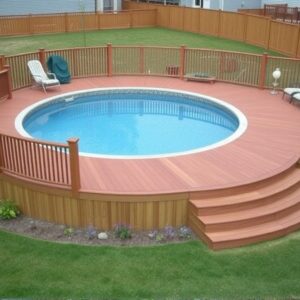
• Pool surrounds
• Rooftop terraces
• Boardwalks
Avoid using them for structural elements like railings posts – that’s not their job. Stick to their intended purpose of securing deck boards, and you’ll be golden.
Cost vs Value: Breaking the Price Myth
Yes, WPC dielen verbinder costs more upfront than basic screws. But let’s do some quick math. Traditional hidden fastener systems might save you $50 on materials, but:
• They require more labor time
• Often need replacement within 5-10 years
• Can damage boards during installation
In contrast, these connectors pay for themselves through:
• Faster installation (save 1-2 days labor on average decks)
• Zero maintenance costs
• Extended deck lifespan
For contractors, that time saving translates to being able to take on more projects. For homeowners, it means enjoying your deck instead of constantly fixing it.
Pro Tips From the Field
After helping install dozens of WPC decks, here’s my hard-earned advice:
1. Buy 10% extra connectors – some will inevitably get dropped or damaged
2. Work in shaded areas when possible – hot boards expand making alignment trickier
3. Use rubber mallets instead of hammers – gentler on the connectors
4. Check for manufacturer compatibility – not all WPC boards use the same groove system
One client learned the compatibility lesson the hard way. They mixed brands and ended up with connectors that didn’t fit properly. We had to special order replacements, delaying the project by two weeks. Don’t be that person!
The Future of Decking is Connected
As more people discover WPC dielen verbinder, we’re seeing some cool innovations. Some manufacturers now offer color-matched connectors that blend seamlessly with deck boards. Others are experimenting with integrated drainage channels in the connectors themselves.
What hasn’t changed is the core value – creating beautiful, durable outdoor spaces with minimal environmental impact. Whether you’re a homeowner tackling your first deck or a seasoned pro looking to up your game, these connectors deserve a spot in your toolkit.
So next time you’re planning a deck project, remember: Great decks aren’t just about the boards you see, but the connectors you don’t. And with WPC dielen verbinder, you’re choosing a solution that looks good, works better, and treats the planet right. Now that’s what I call a win-win!


Reviews
There are no reviews yet.