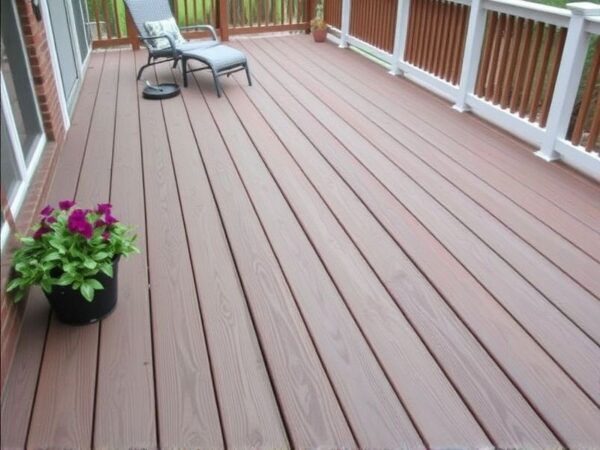
Does Composite Decking Fade? The Truth You Need to Know
Why Your Deck’s Color Matters More Than You Think
Picture this: You spend good money on a beautiful new deck, only to find it looking washed out after a few summers. Been there? That’s why understanding fading isn’t just about technical specs – it’s about protecting your investment and your home’s curb appeal. Let’s break down what really causes composite decking to fade and how different brands stack up.
The Science Behind the Color
Composite decking isn’t just “plastic wood” – it’s a sophisticated mix of recycled plastics and wood fibers. The magic happens in the protective outer layer that acts like sunscreen for your deck. But here’s the kicker: Not all UV protection is created equal. While most manufacturers claim fade resistance, actual performance can vary wildly between brands.
Real-World Fade Tests: Brand Showdown
Take Trex’s Transcend line, for example. Their “shell technology” has shown minimal color change even after 5+ years in scorching Arizona sun. On the flip side, some budget brands start showing noticeable fading within 18 months. Pro tip: Always check the warranty details – companies like TimberTech offer up to 25 years against fading, which says a lot about their confidence.
| Brand | Fade Warranty | UV Protection | Real-World Performance |
|---|---|---|---|
| Trex Transcend | 25 years | Full-cap wrap | Minimal fading after 5+ years |
| Budget Brand X | 5 years | Surface coating | Visible fading in 2 years |
| Fiberon Horizon | 30 years | PermaTech surface | 95% color retention after decade |
Choosing Your Deck’s Superhero Cape
When shopping, don’t just look at color swatches – get nosy about the UV protection system. Full-cap wraps (where the color goes all the way through) generally outperform surface-stained boards. Ask dealers for sample boards that have been weather-tested. Better yet, check online forums for real homeowner experiences in your climate.
Keeping Your Deck Looking Fresh
Here’s the truth nobody tells you: Even the best composite needs some TLC. My neighbor learned this the hard way when her “maintenance-free” deck developed uneven fading from patio furniture shadows. A simple seasonal cleaning routine with composite-safe cleaner makes a world of difference. And whatever you do – no pressure washers! Those can blast away the protective surface.
Pro Maintenance Routine:
- Spring: Gentle scrub with composite cleaner
- Summer: Quick rinse after pool season
- Fall: Leaf blower instead of metal rakes
- Winter: Prevent ice melt chemical damage
When Fading Isn’t Really Fading
Here’s a curveball: Sometimes what looks like fading is actually mildew or pollen buildup. Before panicking, try this simple test: Wet a small area. If the color returns, you’re dealing with surface grime, not actual fading. This happened to my cousin in Seattle – a good cleaning restored her deck’s original rich color.
The Price vs Performance Tightrope
Let’s talk numbers. Premium composite decking might cost 20-30% more upfront, but when you factor in not needing to restain every few years? The math starts making sense. A client of mine calculated she’d break even in about 7 years compared to wood maintenance costs – and that’s before counting the time saved.
Climate Considerations You Can’t Ignore
Living in Miami? Desert Southwest? Your climate dramatically affects fading potential. Darker colors tend to handle intense sun better in my experience, while lighter tones might show less fading in moderate climates. Some manufacturers even offer regional color recommendations – worth asking about.
Installation Secrets That Prevent Fading
Here’s a pro tip most installers won’t tell you: Proper spacing between boards can actually reduce heat buildup that accelerates fading. And orientation matters too – decks running east-west might fade differently than north-south layouts. It’s these little details that separate good installations from great ones.
When to Walk Away
Be wary of any brand that claims “completely fade-proof” – that’s marketing fluff. Even the best materials experience some color shift over decades. The key is finding products where the aging happens gracefully, developing a nice patina rather than looking splotchy.
The Bottom Line
So does composite decking fade? The real answer is: It depends – on the quality you choose, how you maintain it, and your local environment. But with smart selection and basic care, today’s composite decks can stay vibrant for decades. Remember, your deck isn’t just flooring – it’s where memories are made. Choose wisely, care for it consistently, and those summer BBQs will keep looking Instagram-ready for years to come.
One last thing: Always ask for actual installed samples from your supplier. What looks good in a brochure might surprise you in natural light!




Reviews
There are no reviews yet.