
”
Hey there! If you’re exploring flooring options, let me tell you why WPC has become my go-to recommendation for so many homeowners. Picture this: the warm look of real wood that doesn’t warp when your kids spill drinks, combined with plastic’s toughness that stands up to paw scratches. That’s the magic of WPC flooring in a nutshell.

I remember helping my neighbor choose patio flooring last summer – we were both surprised how these planks handle Dubai’s scorching sun better than traditional wood. Unlike regular composite decks that get hot enough to fry eggs, the WPC version stays comfortably cool underfoot. Plus, that textured surface gives you solid grip even when wet – no more slip-and-slide drama by the pool!
What really won me over? The installation hustle. You know how tile work usually means days of mess? With WPC’s click-lock system, we did their 20sqm balcony in an afternoon. Just snap the planks together like giant puzzle pieces over a flat surface. Pro tip: leave a tiny gap between planks for expansion – that summer heat can make materials breathe more than you’d expect!
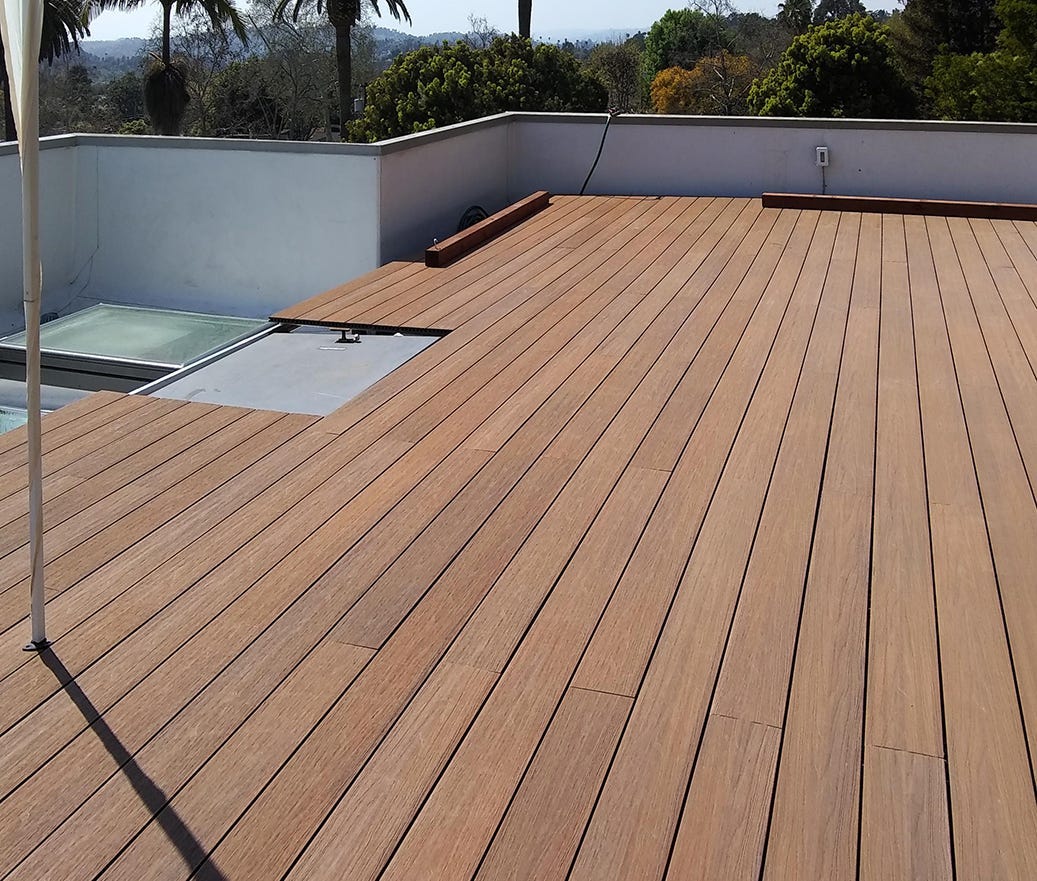
Now about maintenance – who enjoys scrubbing grout lines? With WPC, a quick sweep and occasional mopping keeps it looking fresh. I’ve seen versions that mimic everything from weathered teak to sleek modern tiles. My personal favorite? The coffee-brown planks with subtle grain patterns that hide dirt like champions.
Thinking about cost? While the upfront price might make you blink, consider this: no seasonal resealing like wood demands, no cracked tiles to replace. Over years, that maintenance savings adds up. Plus, manufacturers now offer 10-15 year warranties – something you’d never get with natural materials!
Want to explore more options? Check out different WPC configurations that could work for your space. Whether it’s a cozy balcony or a sprawling pool deck, there’s likely a perfect match waiting. Just remember – measure twice, order once!
What’s Really in WPC Flooring? The Secret Sauce Explained
When I first learned about WPC flooring’s makeup, I’ll admit I was skeptical. But here’s the cool part – it’s basically Mother Nature meets recycling magic. Picture this: roughly 90% of the material comes from wood fibers (like sawdust that would otherwise go to waste) and recycled plastics. 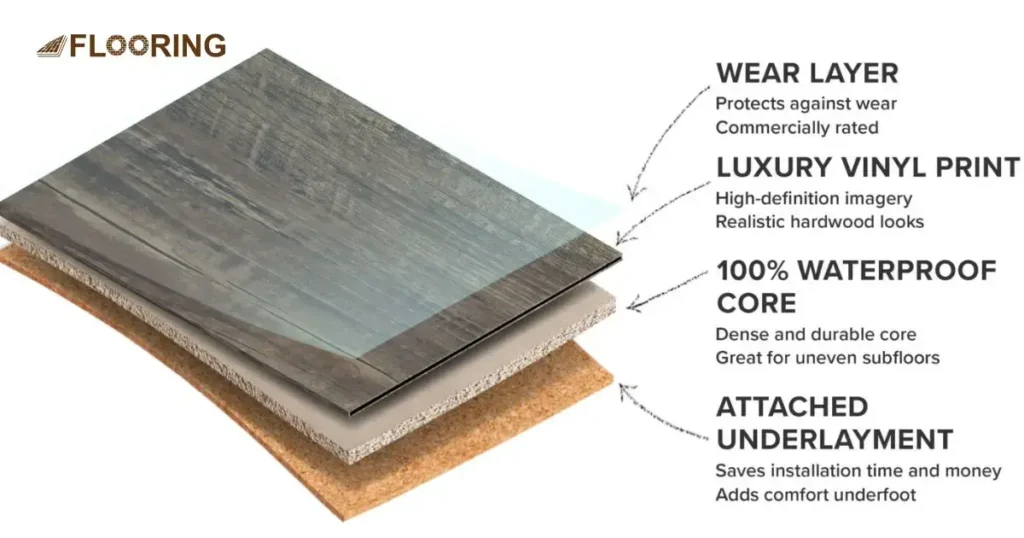 That leftover milk jug from your kitchen? It could end up in your floors!
The remaining 10% is where the real magic happens. Manufacturers add special additives that act like a superhero team – some fight moisture, others boost durability, and a few work on keeping that perfect wood-like texture. It’s like the secret recipe in your grandma’s famous cookies, but for flooring!
What’s wild is how this mixture works. The wood fibers give that warm, natural feel we all love, while the plastic acts like a protective shield. 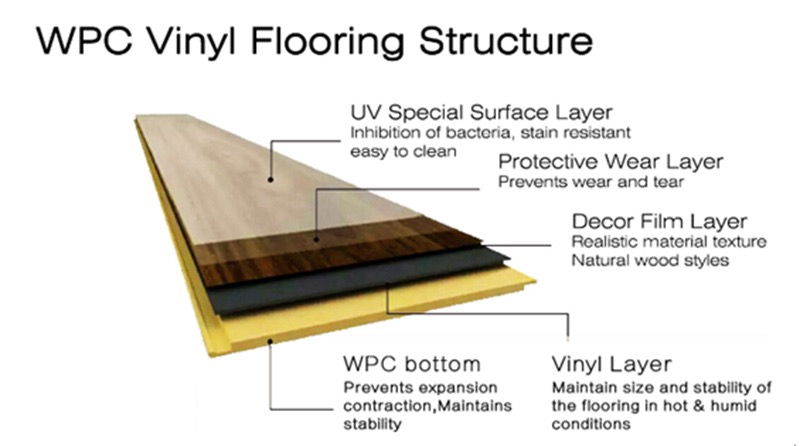 Ever stepped on a wet wooden deck? With WPC’s moisture-resistant additives, that squishy feeling becomes history.
Here’s something most people don’t realize – that recycled plastic content isn’t just eco-friendly, it actually makes the flooring more stable. While traditional wood planks might warp over time, WPC maintains its shape like it’s doing yoga every day. Pro tip: When shopping, ask about the exact wood-to-plastic ratio – it can make a huge difference in performance!
Want to dive deeper into sustainable building materials? Check out this comprehensive guide we’ve put together. You’ll be surprised how small material choices can create big environmental impacts!
When exploring WPC flooring options, you’ll find Kante offers two distinct manufacturing methods that really shape how these floors perform. Let me break it down from my experience working with these materials – the co-extrusion and non-co-extrusion types each have their own personality, like siblings with different strengths.
The co-extrusion method works like a protective sandwich. Imagine the core material getting completely wrapped in a weather-resistant plastic shell – it’s like giving your flooring a waterproof overcoat. This technique creates what I call the “armored” version of WPC flooring. The seamless coating means water literally can’t penetrate it, which I’ve found particularly useful for poolside installations or rainy climate projects. Need maintenance tips for these applications? The team at fencing experts has some great resources.
Non-co-extrusion flooring takes a different approach. Picture the materials being pressed together like layered cake – still durable, but without that complete outer seal. While it might not have the same level of water resistance, this version often feels more natural underfoot. I’ve recommended it for covered patios where extreme moisture isn’t a daily concern but you still want that wood-like texture.
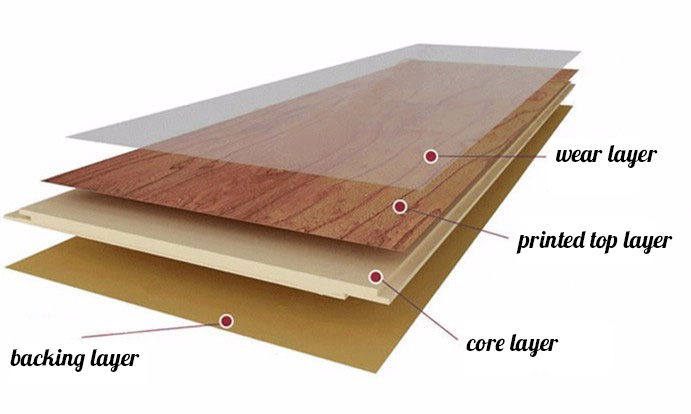
Here’s the kicker – that protective coating in co-extruded boards does more than just block water. It acts like sunscreen against UV rays, preventing color fading better than its counterpart. I’ve seen side-by-side samples after six months of sun exposure, and the difference is noticeable. But before you think co-extrusion is always better, consider this: the non-coated version tends to breathe better, reducing that “plastic feel” some homeowners dislike.
Cost-wise, there’s about a 20-30% difference between the two types. The armored version’s extra protection comes at a price, but for high-moisture areas, it’s insurance worth paying for. I always tell clients – if your outdoor space sees regular rain or humidity spikes, co-extrusion is your friend. For covered dry areas? The standard version might save your budget without compromising too much.
Both types come in those gorgeous wood-look finishes we all love. Whether you’re going for rich teak tones or light oak hues, the pattern clarity remains sharp across both varieties. Installation-wise, they share the same click-lock system that’s become an industry standard. Pro tip from my toolbox: always check the subfloor preparation requirements – proper installation makes or breaks any flooring project.
Ultimately, your choice boils down to environmental needs versus budget. I’ve used both types successfully in different scenarios – co-extrusion around swimming pools where splashes are constant, non-coated versions in sunrooms where controlled temperatures reduce moisture risks. Either way, you’re getting that perfect blend of wood’s warmth and plastic’s practicality that makes WPC such a crowd-pleaser.
Kante’s WPC Solutions: Where Practicality Meets Creativity
Let me tell you what I love about Kante’s product lineup – they don’t just sell flooring, they deliver complete outdoor solutions. From my experience installing these materials, their WPC flooring comes in sizes that actually make sense for real-world projects. We’re talking planks ranging from cozy 6″ wide boards perfect for balcony makeovers to expansive 9″ wide panels that can transform large patios in no time.

But here’s the kicker – they’ve cleverly paired these flooring options with matching WPC planter boxes that complete the outdoor aesthetic. I remember one client who used the 7″ wide composite decking with coordinating planter troughs to create a seamless rooftop garden. The thickness options (from sturdy 16mm to ultra-durable 25mm) mean you can choose based on foot traffic – perfect for anything from quiet backyard retreats to commercial spaces that need to withstand constant use.
What really sets Kante apart? Their planters aren’t just an afterthought. These composite boxes come in modular sections that lock together like giant LEGO pieces. I’ve used them to create everything from herb garden borders to full-length privacy screens. Pro tip: The drainage channels built into their planters have saved my clients countless headaches during rainy seasons!
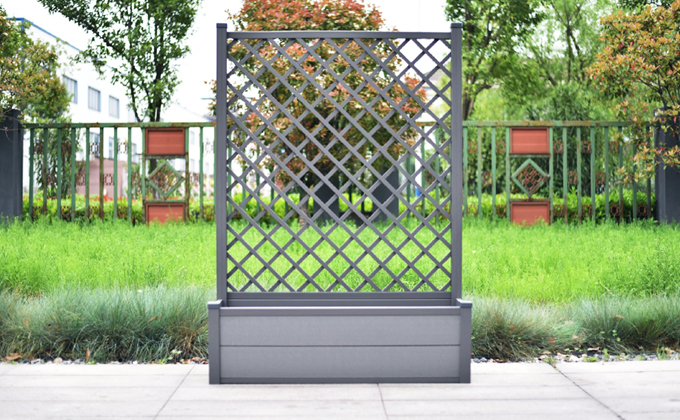
Whether you’re working with a compact urban balcony or sprawling pool deck, Kante’s size variations ensure minimal cutting waste. Their 12-month outdoor guarantee (which I’ve personally tested through seasonal changes) gives that extra peace of mind. Next time you’re planning an outdoor project, consider how these versatile sizes and companion pieces can solve multiple design challenges at once!