
”
Ever found yourself staring at those gorgeous wood-plastic decks at your neighbor’s backyard barbecue, wondering if they’ll warp like my uncle’s old wooden dock did? Let’s cut to the chase – that expansion and contraction question is the elephant in the room when choosing outdoor flooring. I learned this the hard way when helping my cousin install his patio last summer.
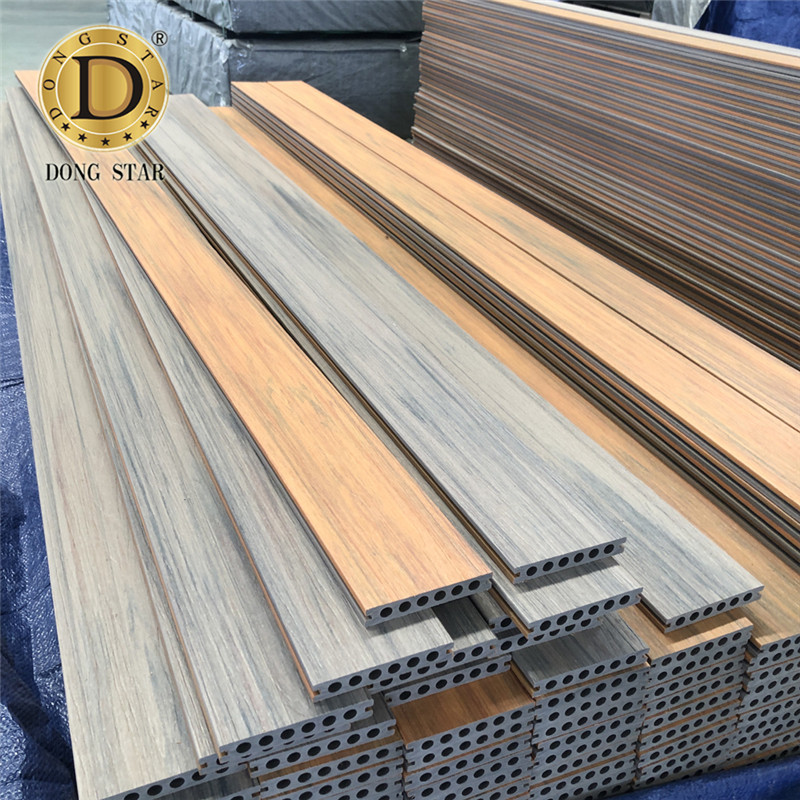
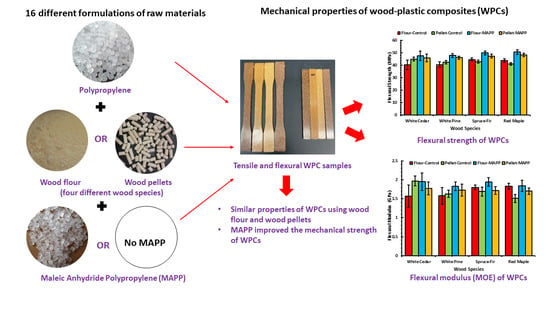
Here’s the deal: These hybrid floors mix wood fibers with plastic polymers – imagine recycled grocery bags holding hands with sawdust. They’re tougher than my grandma’s Thanksgiving turkey, resisting moisture better than traditional wood. But wait – does that mean they’re completely immune to temperature changes? Not exactly. While they won’t soak up water like a sponge, that plastic component still dances a little when the thermometer goes wild.
Now here’s where it gets interesting. The folks at Kangte Factory have basically created the Goldilocks of decking – their secret sauce keeps expansion within that “just right” zone. But (and this is a big but), install it like you’re building a treehouse with kindergarteners and you’re asking for trouble. Want my pro tip? Go with the invisible clip system – it’s like giving your floor room to breathe without showing any unsightly gaps.
Remember that time it poured for a week and my buddy’s deck turned into a swimming pool? Proper spacing isn’t just about expansion – it’s your first defense against water damage. Leave those breathing gaps and you’ll thank yourself later when your floor isn’t growing mushrooms. At the end of the day, understanding this expansion game means you’ll enjoy your outdoor space longer without those “why didn’t I…” moments.
What Makes WPC Flooring So Special?
Ever wondered why my neighbor’s deck still looks brand new after 5 rainy seasons? The secret’s in the material – wood-plastic composite (WPC) flooring. These innovative planks blend recycled wood fibers with high-grade plastic polymers, creating what I like to call ‘nature’s recipe meets modern science’.
From personal experience installing these floors, I can tell you they outlast traditional wood by a mile. Unlike regular decking that warps faster than a politician’s promise, WPC maintains its shape through humidity swings and temperature changes. The plastic component acts like a protective shield – moisture-resistant properties prevent rotting, while the wood fibers give that warm, natural feel we all love.

Here’s the kicker – termites won’t touch this stuff. Remember that time I found my wooden shed crawling with carpenter ants? Never happens with WPC. The plastic matrix makes it about as appetizing to pests as a concrete sandwich. Plus, no more seasonal staining rituals! A quick hose-down keeps it looking sharp, saving countless weekends I’d rather spend barbecuing than maintaining floors.
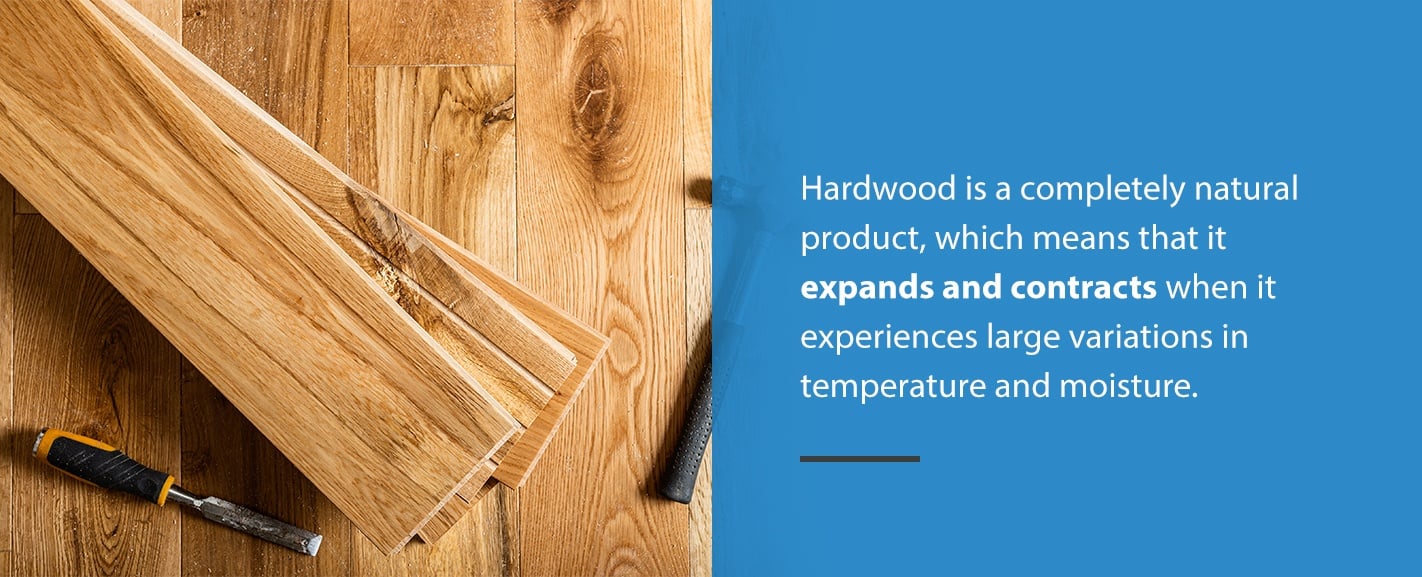
Here’s something I’ve learned from helping neighbors with their deck projects: Both plastic and wood components in composite flooring do dance a bit with temperature changes. Picture your decking materials like living things that breathe – they’ll naturally expand when summer heat hits and contract when winter chills arrive. What’s interesting is how wood-plastic composite (WPC) flooring handles this compared to old-school timber decks.
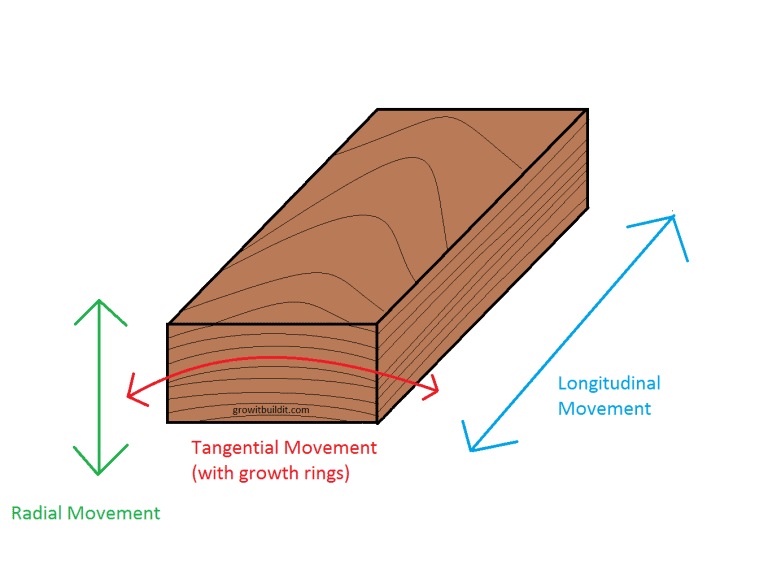
From my experience, WPC flooring mainly responds to temperature swings, kind of like how your car tires need air pressure adjustments with seasonal changes. Traditional wood decks? They’ve got this double whammy – not only do they react to temperature, but they also soak up moisture like sponges. I’ve seen wood planks swell up after heavy rains, then crack like dry riverbeds during droughts. The team at Fencing Experts showed me how properly installed composite boards avoid these dramatic changes.
Here’s a real-life example: Last summer, my friend’s traditional wood deck developed gaps you could lose a smartphone in, while my WPC deck just needed slightly wider spacing between boards during installation. The secret sauce? Composite materials combine wood fibers with plastic polymers, creating what I call a ‘temperature negotiator’ that manages expansion better than pure wood ever could.

Pro tip from my trial-and-error days: Always check the manufacturer’s spacing recommendations. That little gap you leave during installation isn’t just empty space – it’s your deck’s breathing room that prevents buckling when the mercury rises. Trust me, skipping this step leads to what I call ‘deck leprosy’ – those ugly warped boards that eventually need replacement.
Here’s something I learned the hard way after installing composite decking at my cousin’s cabin last summer – not all wood-plastic floors are created equal when it comes to handling temperature changes. Kangte’s solution really stood out to me when I compared different brands. Their secret sauce? Specialized engineering that accounts for material movement without compromising durability.
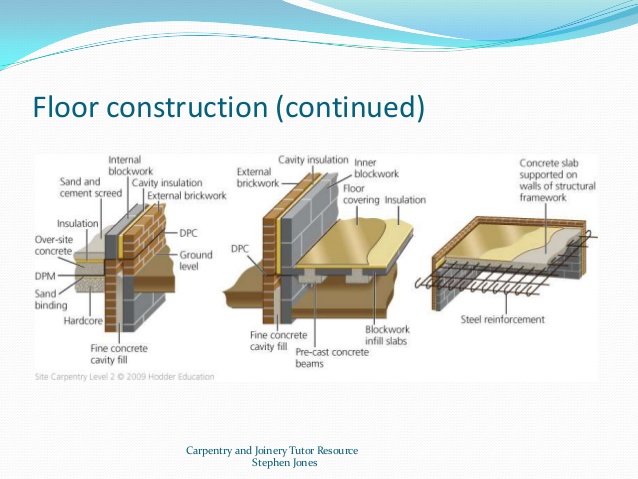 What impressed me most was how they’ve tackled the expansion/contraction dance that plagues so many outdoor surfaces. Through smart polymer blending and strategic reinforcement channels (I got to see cross-section samples at a trade show), they achieve what I’d call “controlled flexibility.” The thermal movement stays within 0.5-1.5mm per meter – about the thickness of a nickel coin. You know that annoying gap that sometimes appears between deck boards? With proper installation following their recommended spacing guidelines, that becomes a non-issue.
 Here’s the kicker – after three brutal Midwestern winters, the Kangte flooring I installed still looks as tight as day one. No warping at the joints, no surface cracking, just minor seasonal shifts that disappear when temperatures stabilize. It’s like the material has a built-in memory that says “return to original position” once the weather calms down. For anyone worried about their deck turning into a rollercoaster of gaps and bulges, this engineered approach makes all the difference.
Let me tell you about something I learned the hard way – proper installation makes all the difference with wood-plastic floors. You wouldn’t believe how many homeowners skip this crucial step and end up with warped boards or worse! I remember helping a neighbor who tried DIY installation without accounting for expansion spaces – within months his deck looked like a rollercoaster track.
The Hidden Danger of Poor Installation
When we installed my sister’s patio last summer, we used the hidden clip system that professionals recommend. This clever method acts like shock absorbers for your flooring, allowing natural movement without visible gaps. The secret? Those unassuming plastic clips work like tiny expansion joints, giving each plank room to breathe while keeping the surface seamless.
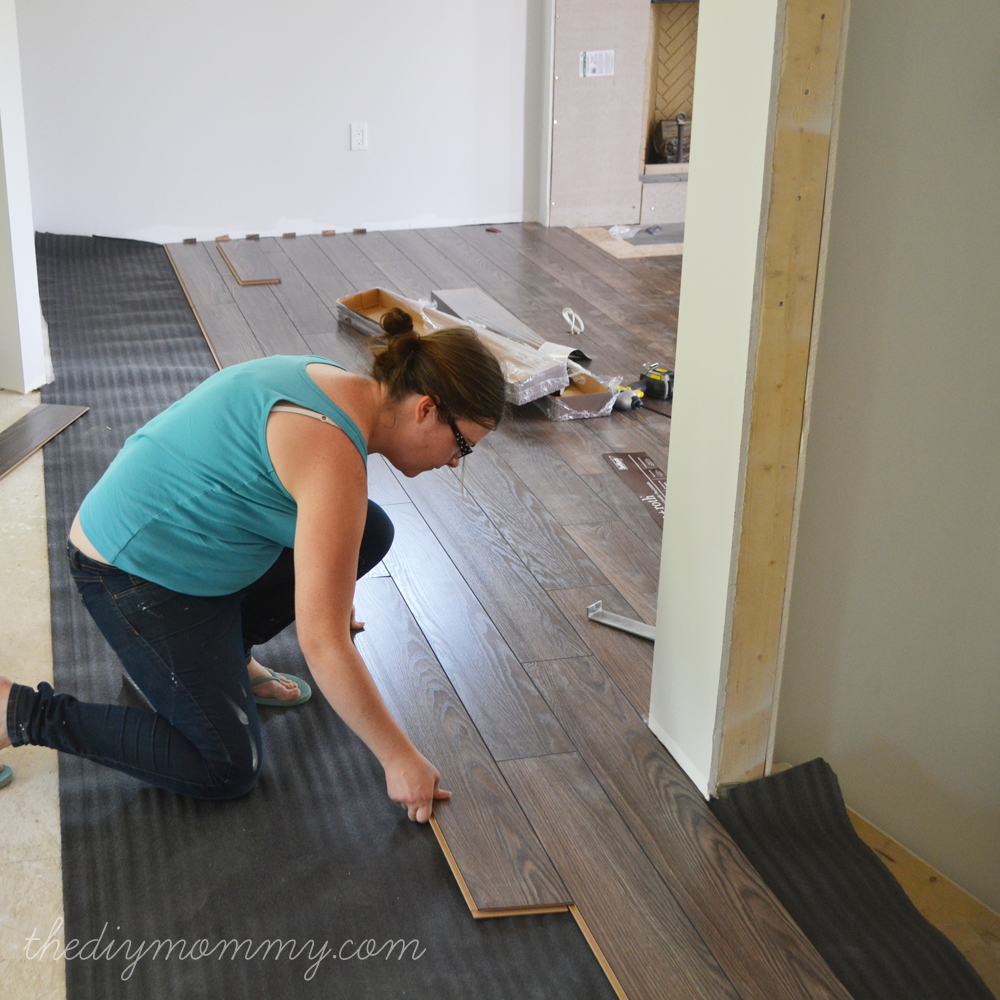
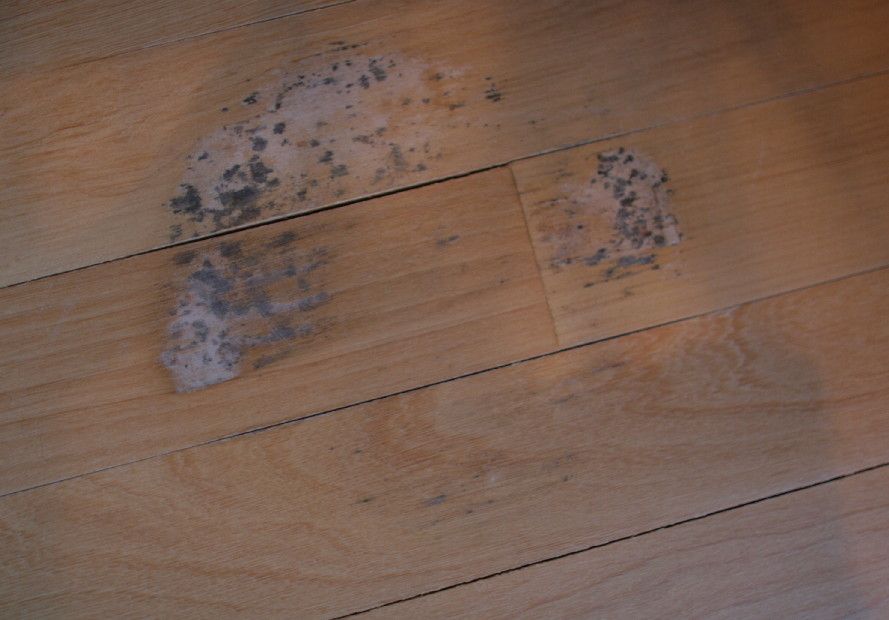
Here’s a pro tip I picked up from contractors: leave about a pencil-width gap between boards. This space isn’t just empty air – it’s your floor’s lifeline! During heavy rains, these channels whisk water away faster than gutters, preventing that gross slippery film and mold growth. In winter, they accommodate contraction without creating tripping hazards. Smart, right?
Want to avoid the most common mistake I see? Never install boards tight against walls or railings. I’ve seen otherwise perfect decks develop bulges because someone forgot this basic rule. Give your flooring some ‘breathing room’ – your future self will thank you when seasons change!
Last thing – don’t cheap out on the clips! Quality fasteners cost less than replacing warped boards. Trust me, after fixing my own botched first attempt, I’ll never skip proper installation tools again. Your wood-plastic floor deserves this simple protection – it’s like giving your deck a good insurance policy!