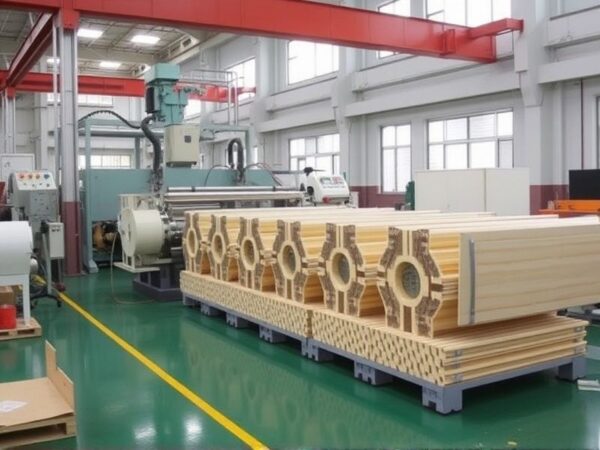
Wood Plastic Composite Extrusion: The Smart Way to Build Sustainably
What’s Cooking in the Composite Kitchen?
Imagine taking sawdust from a lumber mill and plastic grocery bags from recycling bins, then baking them together into something tougher than both. That’s wood plastic composite (WPC) extrusion in a nutshell – but the real magic happens in the details. We’re talking about a material that laughs at termites, shrugs off rainstorms, and comes back for more year after year.
The Secret Sauce: Raw Materials Breakdown
Here’s where things get interesting. The typical recipe calls for:
- Wood flour: Not the kind you bake with! This super-fine sawdust (usually from pine or bamboo) makes up about 50-70% of the mix
- Recycled plastics: Mostly HDPE or PVC – think milk jugs and plumbing pipes getting a second life
- Magic potions: Okay, not really magic – but additives like UV stabilizers and colorants that keep products looking fresh
| Material | Weather Resistance | Maintenance Needs | Eco-Factor |
|---|---|---|---|
| Natural Wood | ⭐⭐ | High | 🌳🌳 |
| Pure Plastic | ⭐⭐⭐⭐ | Low | 🌳 |
| WPC | ⭐⭐⭐⭐⭐ | Almost None | 🌳🌳🌳 |
From Trash to Treasure: The Extrusion Process
Let’s walk through how your old yogurt container becomes part of a fancy deck:
- The Mix-Up: Wood flour and plastic pellets do the tango in a giant blender, getting cozy with additives
- Hot & Heavy: The mixture hits temperatures around 350°F – hot enough to melt plastic but not burn wood
- Shape Shifter: Molten composite gets pushed through custom dies (think Play-Doh factory for adults)
- Cool Down: Water baths or air cooling lock in the shape – quick cooling means less warping
Why Contractors Are Switching Teams
Joe, a deck builder from Ohio, told me: “I used to replace wooden decks every 5-7 years. With WPC? I’m getting calls from clients saying ‘It still looks new!’ after a decade.” That’s the power of:
- No more seasonal splitting or warping
- Zero painting/staining maintenance
- Slip-resistant surfaces that stay cool in sunlight
Not Just for Decks Anymore
While outdoor flooring grabs headlines, WPC’s sneaking into unexpected places:
- Automotive: Door panels that dampen road noise better than plastic alone
- Retail: Display shelves that withstand heavy use without chipping
- Marine: Dock components resisting saltwater corrosion
Real-World Win: Stadium Seating Makeover
When a Florida baseball stadium replaced their wooden bleachers with WPC, maintenance costs dropped by 60% in the first year. No more replacing splintered boards between seasons!
Numbers Don’t Lie: WPC by the Stats
Let’s crunch some (approximate) numbers:
- Lifespan: 25-30 years vs. 10-15 for treated wood
- Cost Premium: 20-30% more upfront than wood, but breaks even in 5-7 years
- Eco Impact: 1 ton of WPC diverts about 300 milk jugs from landfills
Buyer Beware: Not All Composites Are Equal
Here’s where I get real with you – the market’s flooded with cheap imitations. A good WPC should:
- Feel substantial (lightweight = more plastic, less wood)
- Show wood grain texture, not smooth plastic
- Come with at least a 10-year warranty
Future-Proofing Your Projects
Thinking of jumping on the WPC train? Here’s my pro tips:
- Test Before You Invest: Get samples and leave them outside for a month
- Mind the Span: WPC isn’t as stiff as concrete – check load ratings
- Color Smart: Lighter colors hide scratches better
What’s Next? The WPC Revolution
We’re already seeing 3D-printed WPC furniture and composite structural beams. One architect told me: “It’s like working with high-tech wood that never complains about the weather.”
Final Thoughts: Is WPC Right for You?
If you’re tired of replacing weathered wood or dealing with plastic that looks, well, plasticky – WPC extrusion offers a smart middle ground. It’s not perfect for every application (I wouldn’t make violin bows from it yet), but for durable, low-maintenance solutions? It’s changing the game one recycled milk jug at a time.
Pro Tip: When sourcing WPC, ask suppliers about their wood-to-plastic ratio. Anything under 50% wood content starts acting more like plastic – you want that sweet spot around 60%!


Reviews
There are no reviews yet.