Finding the Best Composite Fencing Suppliers Near Me: Your Go-To Guide
So you’re thinking about installing composite fencing? Great choice! But let’s face it—choosing the right supplier can feel like navigating a maze. With so many “composite fencing suppliers near me” popping up in local searches, how do you know who to trust? Let’s break down what really matters, from material quality to hidden perks like local delivery. I’ll even share some real-world examples (like my neighbor’s backyard renovation disaster-turned-success) to keep things practical.
Why Composite Fencing Beats Traditional Wood (Most of the Time)
Before we dive into suppliers, let’s talk about why you’re here. Composite fencing mixes recycled wood and plastic—imagine your old milk jugs and sawdust getting a glamorous second life. Unlike regular wood that warps faster than a popsicle in July, this stuff laughs at rain, resists UV damage, and keeps its color for years. My cousin installed a composite fence three summers ago, and it still looks like it came straight from the showroom. Meanwhile, my cedar fence? Let’s just say it’s on its third coat of stain.
The Big Three: What Separates Good Suppliers from Great Ones
When Googling “composite fencing suppliers near me,” don’t just click the first ad. Here’s what actually matters:
1. Material Quality: It’s Not All Created Equal
Ask suppliers about their recycled content percentages. Top-tier brands use 80-95% recycled materials—anything less and you’re basically paying for fancy plastic. UV resistance is another silent hero. A good rule of thumb? If the supplier can’t tell you exactly how their panels handle sun exposure, keep looking. Pro tip: Scratch-test samples outdoors. The ones that don’t fade after a month? Those are your winners.
2. The Hidden Perks of Going Local
Here’s where “near me” pays off. Local suppliers often offer free site assessments—a lifesaver if your yard slopes like a ski jump. I once tried ordering from an out-of-state company; let’s just say the “universal” posts didn’t fit our rocky soil. Local teams also slash shipping costs. One supplier in Austin even threw in delivery when I mentioned living within city limits. Plus, they’ll usually install within weeks instead of months. Time is money, right?
3. Warranty Wisdom
Watch for warranties covering at least 20-25 years on fading and structural issues. But read the fine print! Some companies void warranties if you use certain cleaners. A local supplier I trust offers “no-questions-asked” replacements for any splitting or warping. That peace of mind? Priceless.
Real People, Real Reviews: Cutting Through the Noise
Online reviews can be tricky. I’ve seen five-star ratings from people who never actually installed the fence. Look for specifics:
- “They customized the height for my pool area” → Gold star
- “The crew fixed our uneven ground at no extra cost” → Hire these folks
- “Color matched my existing deck perfectly” → Sign me up
Avoid suppliers with multiple reviews mentioning delivery delays or splintering within a year. One red flag? When every positive review sounds like it was written by the same person.
Customization: Because Your Fence Should Match Your Style
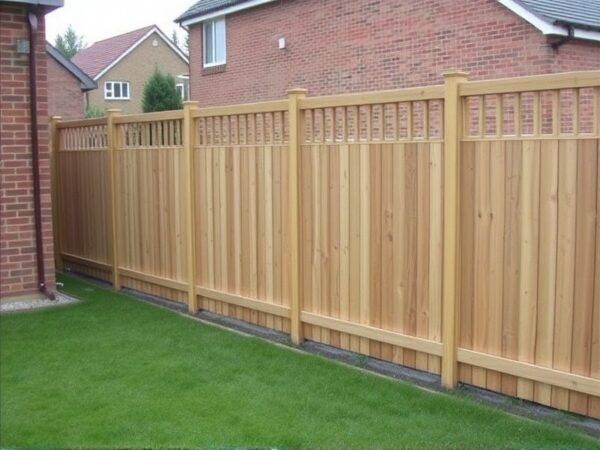
Gone are the days of choosing between “brown” and “darker brown.” Modern composite fencing comes in textures mimicking real wood grain, plus colors from slate gray to warm terracotta. A local supplier here in Phoenix even does color-matching—my friend got a fence that blends with her pueblo-style home. Ask about:
- Sample availability (take them home—colors look different in sunlight)
- Minimum order quantities for custom colors
- Trim and post cap options
Eco-Friendly or Eco-Fake? Certifications That Matter
True story: I almost fell for a “green” supplier until I noticed their only certification was from a company owned by… wait for it… the supplier’s CEO. Stick to legit certifications:
| Certification | What It Means |
|---|---|
| FSC Recycled | At least 70% post-consumer recycled materials |
| GREENGUARD Gold | Low chemical emissions (great if you have kids/pets) |
| CEDAR Mark | Meets strict durability standards |
Bonus points if they recycle old fencing during installation—some companies even give discounts for this!
Maintenance Showdown: Composite vs. Wood
Let’s play a game. How many weekends per year do you want to spend on fence maintenance?
- Traditional Wood: Annual staining (4-6 hours), replacing rotten boards (2-3 hours), fighting termites (endless hours)
- Composite: Occasional hose-down (20 minutes while you’re watering plants)
A neighbor switched to composite last year and reclaimed about 15 weekend hours. His review? “I finally finished that patio bar instead of playing handyman.”
Price Check: Breaking Down the Numbers
Yes, composite costs more upfront—about 20-30% higher than pressure-treated wood. But factor in:
- Zero staining/waterproofing costs
- No replacement boards for 15+ years
- Increased home value (Realtors say it boosts curb appeal)
Local suppliers often have better deals than big-box stores. One offered me a 10% discount for referring three friends. Another price-matched a competitor’s quote plus threw in free decorative post caps.
Final Pro Tips Before You Buy
1. Ask to visit a completed project—most suppliers have client references
2. Check if permits are included in installation quotes
3. In snowy areas, confirm the panels handle freeze-thaw cycles
4. Request a written timeline (delays happen, but transparency matters)
Remember, the best “composite fencing suppliers near me” become long-term partners. The company I chose still sends a crew every spring to check fastener tightness at no charge. Now that’s service worth fencing about!

Reviews
There are no reviews yet.