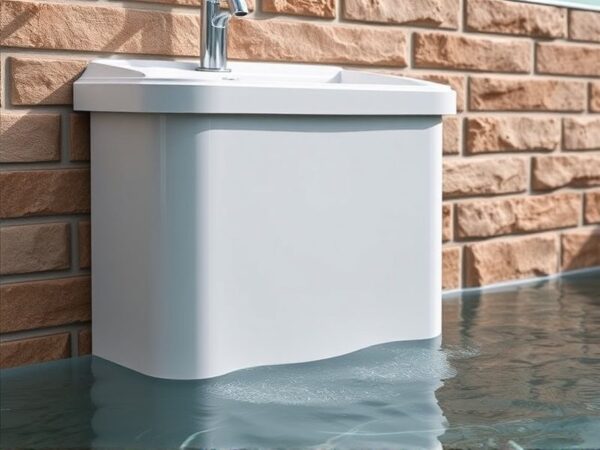
WPC Waterguard: Your Secret Weapon Against Water Damage
Why This Waterproofing Wonder Is Taking Over Job Sites
Let’s be real – water damage is the silent killer of buildings. You know that musty smell in old basements? The peeling paint on bathroom walls? That’s what happens when waterproofing fails. Enter WPC Waterguard, the material that’s been turning heads from suburban homes to skyscraper construction sites. What makes it different? Well, imagine duct tape’s convenience meeting concrete’s toughness – that’s WPC Waterguard for you.
Last summer, I watched contractors at a coastal resort project swear by this stuff. They were applying it on pool decks that get constant saltwater splashes. Two years later, those surfaces still look brand new. That’s the kind of real-world performance that’s making architects and DIYers alike keep WPC Waterguard in their toolkits.
Where This Waterproof Warrior Shines
WPC Waterguard isn’t picky about where it works. Let me give you the lowdown:
Home Sweet (Dry) Home
Remember Sarah’s story? That blogger who chronicled her basement renovation nightmare? After three failed waterproofing attempts, she tried WPC Waterguard. Three years later, her “dry basement selfies” still pop up in my feed every rainy season. It’s become the go-to solution for:
- Bathrooms that survive teenage shower marathons
- Kitchen backsplashes that laugh at spaghetti sauce splatters
- Basements that stay drier than a stand-up comedian’s wit
Commercial Spaces That Mean Business
The downtown co-working space “The Hive” had constant moisture issues in their underground parking. Since applying WPC Waterguard, their maintenance calls dropped by 40%. For business owners, that’s money staying in the bank instead of going down the drain.
Industrial Tough Love
A food processing plant in the Midwest put WPC Waterguard through its paces with:
- Daily chemical washes
- Heavy forklift traffic
- Temperature swings that would make your thermometer dizzy
Eighteen months later? Their floor coating shows less wear than my favorite pair of work boots.
What’s Under the Hood
Let’s break down why this stuff works so well:
How It Stacks Up Against Traditional Options
| Feature | WPC Waterguard | Regular Membranes | Liquid Coatings |
|---|---|---|---|
| Installation Time | 2-3 hours | Full day+ | Multiple days |
| Cure Time | Walkable in 1 hour | 24-48 hours | 12-24 hours |
| Lifespan | 15+ years | 5-8 years | 3-5 years |
| Chemical Resistance | Excellent | Good | Fair |
The magic comes from its hybrid composition – think wood fibers and polymers doing the tango. This combo gives it that perfect balance of flexibility and strength. When temperatures swing, WPC Waterguard expands and contracts like a seasoned yogi, avoiding cracks that plague rigid materials.
Real Talk: Application Tips From the Pros
Here’s the inside scoop from contractors who use WPC Waterguard daily:
Mike’s Garage Makeover: “Did my garage floor last spring. Cleaned the concrete, rolled it on like paint. My wife parked her car 4 hours later. Two winters later – no salt damage, no cracks. Easy peasy.”
High-Rise Window Woes: A property manager in Chicago shared: “We had chronic leakage around upper-floor windows. Since sealing with WPC Waterguard, tenant complaints dropped to zero. The maintenance crew actually misses the overtime pay!”
Pro Tip: If you’re applying it outdoors, check the weather app. While WPC Waterguard can handle rain 90 minutes after application, why risk it? Wait for a dry day – your future self will thank you.
When Not to Use It (Yes, There Are Limits)
As much as I love WPC Waterguard, it’s not a miracle cure-all:
- Existing major cracks (>1/4 inch)? Fix those first
- Constantly submerged surfaces? Consider specialized marine-grade products
- Extreme UV exposure areas? Use the UV-stable variant
A contractor friend learned this the hard way using standard WPC Waterguard on a desert roof. The sun baked it like a cookie. Moral? Always match the product variant to your specific conditions.
The Price Tag Question
“But is it worth the cost?” I hear you ask. Let’s crunch numbers:
Upfront, WPC Waterguard costs about 20% more than basic coatings. But when you factor in:
- No annual resealing
- Reduced repair costs
- Longer lifespan
Most users break even in 3-5 years. Plus, insurance companies love it – some offer discounts for using impact-resistant materials like WPC Waterguard.
Eco-Conscious Choice?
Good news for green warriors: WPC Waterguard contains 30% recycled materials and emits low VOCs. A school in Portland actually earned LEED points using it in their renovation. Plus, since it lasts longer, you’re not constantly reapplying chemicals – that’s a win for Mother Nature.
Final Thoughts From the Trenches
After seeing WPC Waterguard in action across dozens of projects, here’s my take: It’s not perfect, but it’s the closest thing we’ve got to worry-free waterproofing. Whether you’re a DIY parent protecting your basement man cave or a project manager overseeing a shopping complex, this stuff delivers.
Next time you spot water damage, don’t just fix it – outsmart it with WPC Waterguard. Your building (and wallet) will stay drier in the long run.


Reviews
There are no reviews yet.