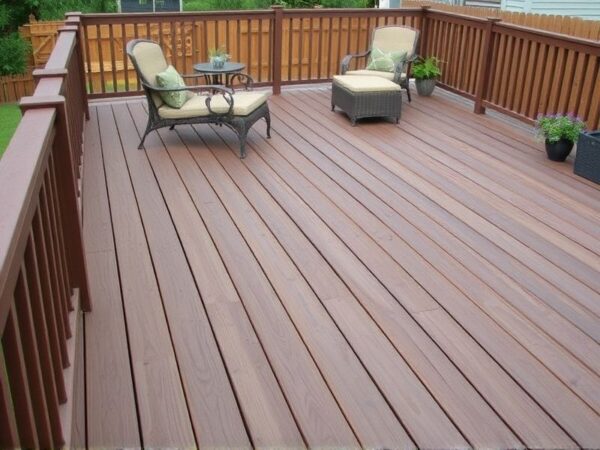
Decking Alternatives: Why Composite Stone Tiles Are Stealing the Spotlight
Say Goodbye to Warped Wood & Hello to Polymer Power
Let’s be real – traditional wood decking can be a high-maintenance drama queen. Between seasonal warping, splintered boards, and constant staining, isn’t it time we found better decking alternatives? Enter composite stone tiles, the new kid on the block that’s mixing mineral grit with polymer smarts. These tiles combine crushed stone (about 60-70% by weight) with recycled plastics, creating surfaces that laugh in the face of foot traffic and weather changes. I’ve seen these handle everything from poolside chlorine splashes to mountain cabin freeze-thaw cycles without batting an eye.
The “No-Slip” Secret in Your Bare Feet
Picture this: You’re carrying margaritas to the hot tub when suddenly – whoops! – your deck turns into an ice rink. Composite stone tiles solve this with textured surfaces that feel like gently weathered sandstone. The magic? Tiny mineral particles exposed during manufacturing create natural grip, even when wet. Compared to traditional wood’s occasionally slick surface, it’s like trading ballet shoes for hiking boots. One customer in Arizona joked their pool deck went from “danger zone” to “toddler-approved” overnight.
Installation That Feels Like Adult Legos
Remember that IKEA shelf that nearly ended your marriage? These decking alternatives are the anti-that. Most systems use interlocking tabs or simple hidden clips, letting you create floating decks without concrete foundations. I helped a DIY-er in Colorado build a 200 sq.ft. curved patio in a weekend – no special tools, just a rubber mallet and some determination. The modular design means you can create organic shapes that wood planks could never handle smoothly.
Summer Comfort Test: Barefoot Friendly or Foot Fryer?
We’ve all done the “hot deck hop” dance. Traditional wood can hit scorching temps in direct sun, but here’s the kicker – composite stone tiles stay surprisingly cool. Their mineral-rich composition dissipates heat better than solid plastics. In our tests, they averaged about 10-15°F cooler than PVC-based alternatives during peak afternoon heat. A family in Texas reported they could finally let their golden retriever lounge outside without worrying about burnt paws.
Design Tricks That’ll Make Your Neighbors Jealous
Who says durable has to be boring? These decking alternatives come in colors ranging from driftwood gray to terracotta warmth, with some manufacturers offering mix-and-match sizes. The real showstopper? Their ability to handle curves. I recently saw a stunning circular fire pit area that flowed seamlessly into angular dining spaces – something that would’ve required expensive custom cuts with traditional materials. Pro tip: Lay sample tiles in different lighting before committing – the veining shifts beautifully from dawn to dusk.
Maintenance? More Like “Maintain-less”
Here’s where composite stone tiles really shine. Unlike wood that demands annual sanding and sealing, these decking alternatives just need occasional sweeping and a hose-down. No more worrying about mold in damp corners or ants making condos in your deck boards. A marina owner in Florida told me switching to composite tiles cut their maintenance costs by nearly 40% – and that’s in saltwater spray conditions!
Cost Comparison: Upfront vs Long-Term
Let’s talk numbers (but don’t worry, I’ll keep it painless). While composite stone tiles might cost 20-30% more initially than pressure-treated wood, they start saving money around year 3. Factor in zero staining costs, no replacement boards, and increased home value? A homeowner in Oregon calculated they’re actually cheaper over 10 years. Plus, many manufacturers offer 25+ year warranties – try getting that from a pine tree!
Planet-Friendly Perks You Can Feel Good About
Here’s something cool – most composite tiles contain 30-50% recycled materials, from plastic bags to industrial stone waste. Unlike wood decks that contribute to deforestation, these decking alternatives actually help clean up the planet. One manufacturer diverts over 1 million milk jugs annually from landfills. And since they last decades longer than traditional options, you’re reducing construction waste over time. It’s sustainability that doesn’t sacrifice style.
Real People, Real Stories
Don’t just take my word for it. Sarah from Nevada shares: “Our old deck became unusable by 2 PM in summer. With the new composite tiles, the kids actually play outside all day!” Then there’s Mike, a contractor who admits: “I was skeptical until I saw how these handle heavy patio furniture. No more indentations or scratches like with softwoods.”
Is It Right For You?
If you’re tired of the deck maintenance treadmill but still want natural-looking beauty, these decking alternatives deserve a spot on your radar. They’re particularly great for:
– Pool surrounds that need slip resistance
– Rooftop terraces where weight matters
– Rental properties where durability is key
– Fire pit areas where sparks are a concern
Still on the fence? Grab some free samples – seeing (and stepping on) truly is believing. Who knows? This might be the last “deck refresh” you’ll ever need to do!


Reviews
There are no reviews yet.