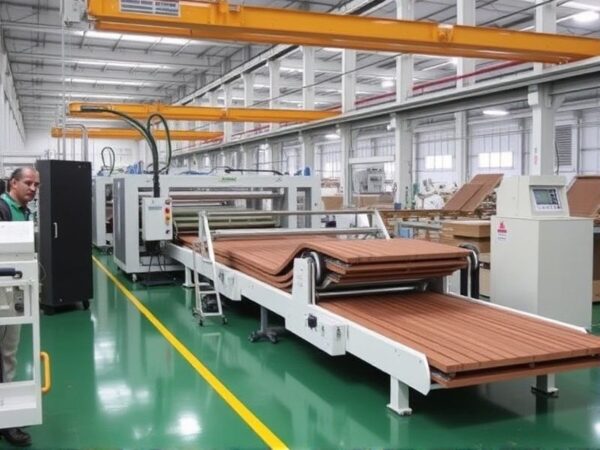
Automated WPC Composite Decking Production Line Solutions: Where Tech Meets Sustainability
Why Your Next Decking Project Needs This Game-Changer
Picture this: you’re trying to build outdoor spaces that look great, last decades, and don’t make Mother Nature frown. Enter WPC composite decking production lines – the unsung heroes behind those weather-resistant boards you’ve been seeing at trendy resorts and eco-conscious homes. These automated systems aren’t just machines; they’re your ticket to creating decking that laughs in the face of rot, splinters, and constant maintenance.
Let’s cut to the chase – traditional wood decking is like that high-maintenance friend who always needs something. Warping? Check. Annual staining? You bet. WPC composite decking production lines flip the script by blending wood fibers with recycled plastics. The result? Boards that keep their cool through scorching summers and freezing winters, all while keeping plastic waste out of landfills.
What’s Cooking in a WPC Production Line?
Ever wonder how those perfect-looking composite boards come to life? It starts with a carefully choreographed dance of machinery. First up, the raw material prep station where wood flour (think super-fine sawdust) meets recycled plastics. The system automatically adjusts ratios – anywhere from 40% to 70% wood content depending on the desired look and feel.
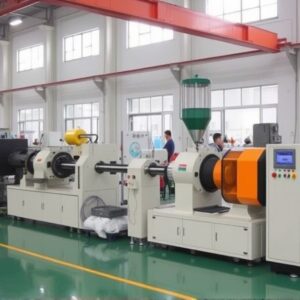
The real magic happens in the twin-screw extruder. This bad boy operates at temperatures hot enough to melt plastic but smart enough to keep wood fibers intact. Modern lines come with touchscreen controls that even your tech-challenged uncle could operate. Need to switch from a wood-grain pattern to a smooth finish? Just load a different mold – most systems support quick-change dies for endless customization.
Production Line at a Glance
| Feature | What You Get |
|---|---|
| Output Capacity | Enough to fill a shipping container every 8-12 hours (500-2,000 kg/hour) |
| Energy Use | 30% less power than older models – saves enough electricity annually to power 50 homes |
| Material Flexibility | Handles everything from virgin polymers to post-consumer plastic bags |
Don’t sleep on the quality control systems either. We’re talking laser scanners that spot imperfections invisible to the human eye and automatic trimming robots that ensure every board comes out picture-perfect. One manufacturer in Florida told me their rejection rate dropped from 8% to under 1% after upgrading to these smart systems.
Green Credentials That Actually Matter
Let’s address the elephant in the room – is this really better for the environment? Compared to traditional decking that contributes to deforestation and needs chemical treatments? Absolutely. A typical WPC composite decking production line can consume the equivalent of 1 million plastic grocery bags daily. That’s plastic that would otherwise be choking oceans or sitting in landfills for centuries.
The energy efficiency angle isn’t just marketing fluff either. Modern extruders recover heat that older models wasted, cutting energy bills by up to a third. Some lines even use solar-powered auxiliary systems – perfect for manufacturers looking to boost their green bragging rights.
Here’s something most suppliers won’t tell you: The real environmental win comes from durability. While traditional wood decks need replacing every 10-15 years, WPC decks easily last 25+ years. Less material waste over time, fewer resources consumed – it’s sustainability that actually makes business sense.
WPC vs. Traditional Wood: No Contest
Let’s play a quick game of “Would You Rather”:
- Decking that fades and warps within 5 years
- Boards that stay pristine for decades with zero staining
Yeah, thought so. But the advantages go beyond just longevity:
| WPC Composite | Traditional Wood | |
|---|---|---|
| Maintenance | Occasional rinse with hose | Annual sanding + staining |
| Lifespan | 25-30 years | 10-15 years |
| Installation | Hidden fasteners | Visible screws/nails |
Still not convinced? Talk to contractors – they’ll tell you composite decking jobs have fewer callbacks and happier customers. The hidden bonus? Many municipalities offer tax incentives for using recycled materials in public projects.
Who’s Jumping on the WPC Bandwagon?
From beachfront resorts tired of replacing salt-rotted boards to eco-conscious homeowners, the applications are endless:
Urban Renewal Projects: Cities love using composite decking for boardwalks and parks. Chicago’s Riverwalk used over 50,000 square feet of WPC decking – it’s held up through brutal winters and heavy foot traffic like a champ.
High-End Residential: Custom color options let architects match decking to house exteriors perfectly. The ability to create curved designs? That’s a designer’s dream come true.
Commercial Spaces: Restaurants with rooftop bars, hotels with pool decks – places where appearance and safety matter 24/7. Slip-resistant surfaces and fade-resistant colors keep these spaces looking sharp year-round.
Pro tip: If you’re supplying to coastal areas, emphasize the saltwater resistance. Traditional wood decks near oceans often look terrible within 3 years – WPC composite decking production lines create products that laugh at salt spray.
Future-Proofing Your Production
The writing’s on the wall – green building codes are getting stricter every year. Cities from Amsterdam to Austin now mandate recycled content in public infrastructure projects. Investing in a WPC composite decking production line now positions you to grab those lucrative contracts.
But here’s the kicker: It’s not just about compliance. Consumers are voting with their wallets. A recent survey showed 68% of homeowners would pay 10-15% more for sustainable decking. With production lines that can adjust material mixes on the fly, you’re ready to meet whatever eco-demand comes next.
Thinking about automation? Modern lines can run with minimal supervision. One operator I met in Oregon runs his night shift with just two staff members monitoring multiple lines through their smartphones. The future of decking manufacturing isn’t coming – it’s already here.
Making the Switch: What You Need to Know
Considering a WPC composite decking production line? Here’s the real talk:
- Space Requirements: You’ll need about the footprint of a basketball court for a full setup
- Power Needs: Comparable to running a mid-sized manufacturing facility – but solar options can offset 20-40% of usage
- Staff Training: Most suppliers offer 1-2 week onsite training – operators pick it up faster than you’d think
Don’t make the mistake one Midwestern manufacturer did – they forgot to account for raw material storage! WPC production lines need dry, climate-controlled storage for wood flour. Plan for at least a week’s worth of material buffer to avoid production hiccups.
Final thought: While the upfront cost might make your accountant twitchy, remember these lines typically pay for themselves in 3-5 years through reduced waste, energy savings, and premium product pricing. Your future self (and the planet) will thank you.

Reviews
There are no reviews yet.