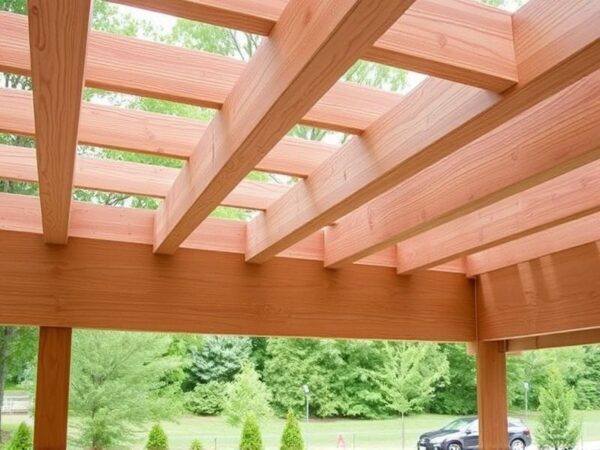
Composite Deck Joists: Ultimate Support System for Modern Outdoor Living Spaces
Why Your Deck Deserves Better Than Old-School Lumber
Let’s face it – traditional wood deck framing is like building a sandcastle at high tide. Sure, it works temporarily, but you’ll constantly battle rot, warping, and insect damage. Composite deck joists are changing the game for outdoor spaces, offering what I like to call “set-it-and-forget-it” durability. I’ve seen too many clients waste weekends replacing rotten joists – that’s time better spent actually enjoying your backyard oasis!
The Secret Sauce in Composite Materials
What makes these joists so tough? They’re basically the superhero version of wood – blending recycled plastics with wood fibers in proportions that vary by manufacturer (typically around 50/50). This hybrid formula means no more splinters during installation, and say goodbye to that musty wet wood smell after rainstorms. The best part? They laugh in the face of moisture. Unlike traditional lumber that soaks up water like a sponge, composite joists barely absorb any moisture – we’re talking less than 2% compared to wood’s 20%+ absorption rate.
Strength That Surprises Even Contractors
Don’t let the lightweight feel fool you. During a recent installation, my crew was shocked that a 16-foot composite joist could support three grown men (we’re not small guys!) without any noticeable flex. Most composite joists carry load ratings comparable to pressure-treated lumber – typically around 400 PSI for bending strength. But here’s the kicker: they maintain that strength year after year instead of gradually weakening like wood.
Installation Wins You’ll Appreciate
Remember struggling with warped 2x8s that just wouldn’t line up? Composite joists arrive straight as an arrow and stay that way. Pro tip: Leave about 1/8″ gap between joist ends to account for thermal expansion – it’s less than you’d need for PVC but more than solid wood requires. Speaking from experience, using the manufacturer’s recommended stainless steel fasteners makes all the difference. That extra $20 in hardware could add years to your deck’s lifespan.
Climate-Proofing Your Investment
Living in Arizona? Composite joists expand and contract about 30% less than wood in extreme heat. Coastal homeowner? The salt air that turns regular joists into Swiss cheese won’t faze these. I helped rebuild a Maine waterfront deck after a brutal winter – 5 years later, those composite joists still look brand new while the original wood frame had failed in just 18 months.
The Money Talk: Long-Term Savings
Yeah, composite joists cost more upfront – maybe 20-30% over pressure-treated wood. But let’s do the real math. No annual sealing/staining ($150+/year saved). No replacing rotten joists every 5-7 years ($2,000+ per repair). Over 15 years, most homeowners actually save thousands. Plus, manufacturers are backing these with crazy-good warranties – 25 years is common, with some lifetime options now available.
Building Code Made Easier
Here’s where composite really shines for pros. Consistent dimensions mean no more shimming uneven joists. Many products now meet or exceed IRC code requirements out of the package. Important note: Always check local requirements – some areas have specific fastening patterns for composite materials that differ from wood.
Real-World Performance Comparison
Let’s break it down simply:
| Feature | Composite Joists | Pressure-Treated Wood |
|---|---|---|
| Lifespan | 25+ years | 7-15 years |
| Maintenance | None | Annual |
| Weight Capacity | Consistent | Degrades over time |
| Weather Resistance | Excellent | Fair |
When Composite Joists Make Sense
They’re not just for million-dollar homes anymore. Perfect for:
– Beach houses getting pounded by salt spray
– Mountain cabins with heavy snow loads
– Pool decks where moisture is constant
– Anyone tired of deck maintenance
Pro Tips From the Field
After installing hundreds of composite deck systems, here’s my hard-won advice:
1. Store joists flat before installation – they can develop a slight curve if leaned
2. Pre-drill fastener holes near ends to prevent splitting
3. Use joist tape regardless of material claims – cheap insurance
4. Space supports closer in extreme climates (every 12″ instead of 16″)
5. Clean up sawdust immediately – it can stain composite surfaces
Warranty Wisdom
Not all warranties are created equal. Look for coverage that includes:
– Full replacement cost
– Labor allowances
– Fading/discoloration protection
– Transferability if you sell your home
At the end of the day, composite deck joists are about peace of mind. They’re the difference between building a deck and creating an outdoor living space that actually lasts. Still on the fence? Ask yourself: Would you rather build your deck once, or keep rebuilding it every few years?




Reviews
There are no reviews yet.