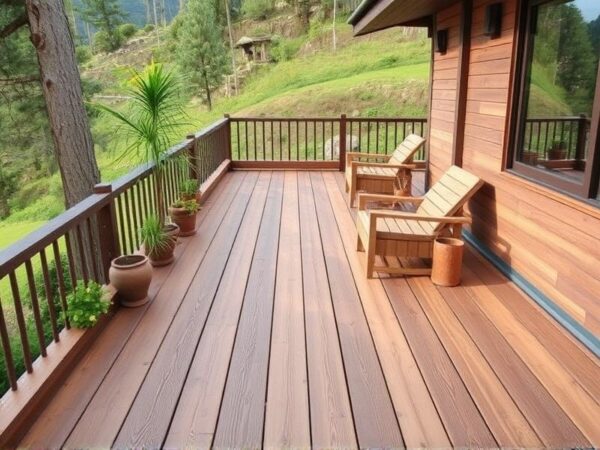
Eco-Friendly Wood Plastic Composite Decking Solutions in Bhutan: Sustainable Outdoor Design
Why Bhutan is Falling in Love with WPC Decking
Picture this: A family-owned hotel in Thimphu replaces its rotting wooden terrace with wood plastic composite decking just before monsoon season. Fast forward two years, and the owner’s still brewing butter tea on that same deck without a single warped board. That’s the kind of practical magic driving Bhutan’s construction sector to embrace WPC materials. But what’s really behind this shift?
When Tradition Meets Tomorrow
Bhutan’s architects are pulling off something pretty cool – blending those iconic sloping roofs and intricate wood carvings with modern sustainability. Take the new Riverbend Lodge in Punakha, where WPC decking mimics traditional rammed earth textures while surviving 2,500mm of annual rainfall. The secret sauce? These planks combine recycled plastic bottles (about 80% of the mix) with sawdust from sustainable forestry projects.
Rain, Rot, and Real-World Testing
Let’s get real – Bhutan’s weather doesn’t play nice. Conventional wood decking here might need replacing every 3-5 years. But the WPC deck at Hotel Druk in Thimphu? It’s entering its eighth monsoon season looking barely worn. Maintenance crews tell me they’ve cut deck-related repairs by nearly 70% since switching materials. Now that’s what I call a win for busy hotel managers!
The Happiness Factor
Here’s where it gets interesting. Bhutan’s Gross National Happiness principles aren’t just feel-good slogans – they’re shaping real policy. The government now offers tax breaks covering 15-20% of material costs for WPC projects. Local contractor Dorji Wangchuk puts it best: “Using WPC means I sleep better knowing we’re not stripping forests for decking. Plus, my crews finish jobs faster with these lightweight planks.”
WPC vs. Traditional Wood: The Mountain Showdown
| Feature | WPC Decking | Traditional Wood |
|---|---|---|
| Lifespan in Bhutan | 15+ years | 5-8 years |
| Annual Maintenance | Quick wash | Sand & seal |
| UV Resistance | Fades minimally | Grays quickly |
(Based on trials at 2,800m elevation in Paro Valley)
Installation Stories You Can Touch
The new Aman resort project near Tiger’s Nest Monastery almost didn’t happen – until WPC saved the day. Transporting heavy timber up mountain trails proved impossible, but modular WPC sections? Crews carried them up by hand! Project manager Sonam Lhamo recalls: “We completed the cliffside tea deck in half the expected time. No termites, no splitting – just instant guest selfie spot.”
Cold Climate? No Sweat
At 3,000m elevations where temperatures swing from +25°C to -10°C in a day, materials get tested hard. WPC’s thermal expansion rate – about 0.5% compared to wood’s 2-3% – means no unsightly gaps in your morning meditation platform. Hotelier Dechen Wangmo shares her “aha moment”: “Last winter, our old wood deck developed dangerous ice patches. The WPC replacement? Textured surface prevents slips without ugly salt stains.”
Your Deck’s Midlife Crisis (Spoiler: It Doesn’t Have One)
While traditional decks need TLC every 6-12 months, WPC basically says “I’m good” for years. The Central Monastic School in Bumthang learned this the hard way – their 2018 timber deck required annual resealing until switching to WPC in 2021. Caretaker Pema Tshering jokes: “Now I only worry about keeping monks off the deck during prayer time, not about replacing rotten boards!”
Design Flexibility That Respects Heritage
Worried WPC looks too modern? Bhutanese manufacturers now offer planks mimicking aged lhingsa wood patterns. The recently renovated Dochula Pass viewpoint uses color-infused WPC that mirrors traditional temple hues. Architect Kinley Dorji explains: “We achieved the warm tones of century-old dzongs without using a single old-growth tree. Even the monks approved!”
Cost Talk: Beyond the Price Tag
Yes, WPC costs about 20% more upfront than treated timber. But factor in 10+ years without replacements, and the math flips. Hotel Zangto Pelri in Phuentsholing saved enough on maintenance to fund solar heating for their pools. Owner Raju Gurung calculates: “Over seven years, our total deck costs dropped by 40% compared to wood. Plus, guests love our ‘green’ branding!”
What Locals Want You to Know
1. Slope Matters: Bhutan’s steep terrain demands proper substructure – don’t skimp on aluminum joists
2. Texture is Key: Opt for embossed finishes to prevent slips in rain
3. Color Choices: Darker tones hide pollen dust common in spring
4. DIY Alert: While easier than wood, high-altitude installations need experienced crews
Future-Proofing Bhutan’s Landscape
With Thimphu’s construction boom showing no signs of slowing, WPC offers a path to growth that aligns with environmental values. The next big thing? Solar-integrated WPC tiles being tested at Paro Airport that generate power while withstanding jet blast. As Bhutan walks its sustainability talk, wood plastic composite decking isn’t just another material – it’s becoming part of the national identity.
Parting Thoughts from the Himalayas
Whether you’re building a farmhouse in Haa Valley or a luxury lodge in Bumthang, WPC decking in Bhutan represents more than practical flooring. It’s about honoring Gross National Happiness through choices that last. As local saying goes: “Good foundations prevent shaky tea cups.” In this case, the foundation is literally under your feet – durable, sustainable, and beautifully Bhutanese.
Reviews
There are no reviews yet.