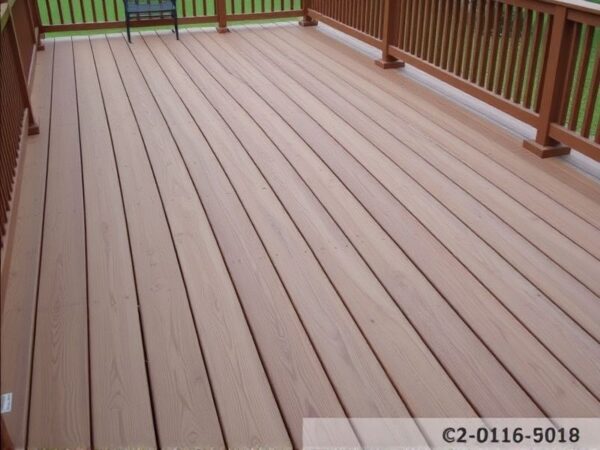
Why Composite Decking Shines With 12″ or 16″ On-Center Spacing
The Smart Choice For Modern Deck Builds
Let’s talk about what really matters when planning your deck project. You want something that looks great today but won’t become a weekend maintenance nightmare, right? That’s where composite decking with 12″ or 16″ joist spacing steps up to the plate. I’ve seen too many homeowners struggle with traditional wood decks that sag between joists or require constant staining – there’s a better way.
Built Tough, Built to Last
Composite decking brings some serious muscle to the table. The secret sauce? A blend of recycled plastics and wood fibers that laughs in the face of rot and insect damage. Unlike traditional wood that starts deteriorating after a few seasons, composite materials maintain their integrity for decades. I recently visited a 15-year-old composite deck that still looked factory fresh – no warping, no splinters, just perfect boards aligned like soldiers.
Spacing Showdown: Wood vs. Composite
Here’s where things get interesting. Traditional wood decking typically needs joists every 12″ to prevent that annoying bounce feel. But with composite? You can often stretch that to 16″ centers without sacrificing stability. Let me break it down:
| Material | Recommended Spacing | Lifespan | Maintenance Cycle |
|---|---|---|---|
| Pressure-Treated Wood | 12″ centers | 10-15 years | Annual sealing |
| Composite Decking | 16″ centers | 25+ years | Occasional cleaning |
That extra 4″ between joists might not sound like much, but it adds up fast in material savings. For a standard 400 sq.ft deck, using 16″ spacing could save you 8-10 joists compared to wood decking requirements. More money for fancy railings or that built-in bench you’ve been eyeing!
Keeping Its Cool (And Shape)
Ever notice how some decks develop gaps or bulges over time? That’s thermal expansion at work. While composite materials handle temperature changes better than wood, they’re not completely immune. The fix? Simple expansion gaps during installation. A little breathing room (about 1/8″ between boards) keeps everything looking tight through summer heat waves and winter chills.
Where Composite Decking Really Shines
From backyard BBQs to bustling restaurant patios, here’s where I recommend these spacing options:
12″ Centers: Perfect for heavy traffic areas like pool decks where wet feet are constantly dripping water. The tighter spacing gives extra support when the kids are cannonballing into the deep end.
16″ Centers: Ideal for residential decks and covered patios. Recently helped a client use this spacing for their rooftop deck – saved them nearly $800 in framing materials without compromising safety.
Installation Pro Tips
After helping install over 50 composite decks, here’s my cheat sheet:
- Always check local building codes first (some areas have specific load requirements)
- Use corrosion-resistant fasteners – they’re worth the extra pennies
- Allow proper ventilation under the deck to prevent moisture buildup
- When in doubt, go with hidden fastener systems for that clean, seamless look
Color That Stays Put
Remember your neighbor’s redwood deck that turned gray after two summers? Composite decking uses color-through technology that maintains its hue year after year. We’re talking UV protection that keeps your deck looking photo-ready without constant staining. Most manufacturers offer 20+ year fade warranties – now that’s peace of mind!
Eco-Friendly Without the Compromise
Here’s something cool – that composite decking might contain recycled milk jugs and sawdust. Modern manufacturing turns what would be landfill waste into beautiful, durable deck boards. Plus, since you’re not using pressure-treated wood, there’s no toxic chemicals leaching into the soil. It’s a win for your backyard and the planet.
When to Call in the Pros
While DIY-friendly, some situations demand expert hands:
- Multi-level deck designs
- Commercial installations with heavy foot traffic
- Areas with extreme temperature swings
- Decks built over living spaces (like covered patios)
Last month, a client tried to retrofit composite decking onto old 24″ spaced joists – let’s just say we had to have “the talk” about structural integrity. Don’t make that mistake!
Your Deck, Your Rules
At the end of the day, choosing between 12″ and 16″ spacing comes down to your specific needs. Planning an outdoor kitchen with heavy appliances? Lean toward 12″ centers. Building a simple ground-level patio? 16″ spacing could be your budget’s best friend. Either way, you’re getting a low-maintenance surface that keeps looking great year after year.



Reviews
There are no reviews yet.