
”
Hey there! Ever noticed how some houses just seem to have that extra spark? That’s often thanks to clever exterior choices like WPC wall cladding. Let me walk you through why this material’s becoming everyone’s favorite for sprucing up building facades.
 Picture this – your home’s exterior working like a stylish outfit that shows off your personality. That’s exactly what WPC cladding does. It’s not just about protection from the elements (though it’s great at that!), but about making your property say “this is me” without uttering a word.
What makes it special? Well, imagine blending wood’s natural charm with plastic’s toughness. You get planks that laugh in the face of monsoons and summers alike. I’ve seen installations that still look fresh after 5+ years – no warping, no fading, just that same rich texture. 
Here’s the kicker – it’s surprisingly DIY-friendly. Last summer, my neighbor transformed his cottage’s look over a weekend. No heavy machinery, just basic tools and some elbow grease. The color options? Oh boy, from warm cedar tones to modern greys, there’s something for every taste.
Thinking about commercial spaces? WPC works wonders there too. That coffee shop downtown with the Instagram-worthy exterior? Yep, that’s composite cladding working its magic. It handles high traffic areas like a champ while keeping maintenance costs low.
Pro tip: When choosing, feel the samples. The good stuff has a textured, wood-like grain you can actually feel. Cheap alternatives? They often feel plasticky and flat. Trust me, that tactile difference matters more than you’d think!
So, ready to give your walls a makeover that’s equal parts style and smarts? WPC cladding might just be your home’s new best friend. What story do you want your exterior to tell?
Ever wondered what makes modern buildings maintain that fresh-out-of-the-catalog look for years? Let me tell you about the secret sauce in contemporary architecture – WPC exterior wall cladding. This hybrid material blends 30% recycled HDPE plastic (you know, those milk jugs we recycle), 60% finely ground wood flour, and 10% special additives that work like a superhero serum. The result? A building skin that’s tougher than your smartphone screen protector yet looks like genuine timber.
 Picture this: Your home wearing a weatherproof jacket that laughs in the face of monsoons and shrugs off UV rays like they’re mediocre pickup lines. That’s WPC cladding for you – the Chuck Norris of building materials. I’ve seen these panels on beachfront properties where regular wood would warp faster than a politician’s promise, yet they stay looking crisp.
Here’s the kicker – maintenance is easier than wiping down your kitchen counter. Unlike traditional materials that demand annual TLC, these panels just need occasional hosing down. Pro tip from my renovation days: The matte finishes hide dirt better than your teenager’s laundry pile. Check out this installation guide if you’re DIY-curious.
From swanky downtown lofts to cozy mountain cabins, this material adapts better than a chameleon at a rainbow convention. Ever noticed those chic shopping centers that somehow look both modern and rustic? Chances are they’re rocking WPC cladding. It’s like the building version of wearing jeans to a black-tie event – unexpectedly perfect.
Let’s get real – in our climate-change wrestling match, WPC is the eco-friendly tag team partner we need. Using recycled materials means you’re basically giving plastic waste a second chance at life. Plus, no more guilt trips about deforestation. Next time you see a sharp-looking commercial building, peek closer – it might just be wearing its eco-conscious heart on its walls.
Let me tell you why I’m such a fan of WPC wall cladding – it’s like giving buildings a makeover that actually lasts! The magic happens through those textured woodgrain patterns that fool everyone into thinking you’ve got real timber. You know what’s even better? These panels come in various shades from warm cedar tones to cool contemporary grays, letting you match any architectural style. But here’s the kicker: they’re basically superheroes against weather damage. I’ve seen panels that absorb UV rays like sunscreen for your house, preventing that awful fading we all hate. The matte surface cuts glare better than my sunglasses, and get this – they can take a beating from hailstorms without denting. That’s a game-changer for coastal areas where salt spray eats everything!

My clients always ask me about maintenance, and that’s where WPC really shines. Unlike wood that needs yearly staining, a quick hose-down keeps these panels looking fresh. Remember Mrs. Johnson’s beach house? Three years later, her WPC cladding still looks brand new despite hurricane seasons. The secret’s in the composite material – it laughs at moisture, resists warping, and doesn’t harbor mold. Pro tip: Go for lighter colors if you’re in sunny areas. They stay cooler and help reduce AC costs. Why settle for boring walls when you can have beauty that works this hard?
When it comes to sprucing up building exteriors, I’ve found WPC wall cladding to be the ultimate chameleon material. Whether I’m working on a cozy countryside cottage or a bustling shopping complex, this stuff just clicks. Let me show you why it’s become my go-to choice for both homeowners and business owners alike.
Picture this: those charming villas with crisp, weather-resistant facades you’ve been admiring on Pinterest? Many are actually sporting WPC panels. I recently used textured WPC cladding on a beach house project, and the owners couldn’t stop raving about how it withstood salt spray and monsoon rains. But here’s the kicker – it works just as well in high-traffic commercial spaces. The installation crew I work with recently decked out a metro station waiting area, and the maintenance team loves how easy it is to clean off graffiti.
What really surprises people is the range of applications. That rustic-chic coffee shop downtown with the wood-like exterior? Yep, that’s WPC cladding fooling everyone. Hotel chains are jumping on board too – I’ve seen everything from ski resorts using dark walnut finishes to tropical resorts opting for cool, bleached tones. The commercial-grade options can handle anything from shopping mall food courts to hospital exteriors, which really puts the ‘adaptable’ in adaptive architecture.
Here’s a pro tip I’ve picked up: The magic happens when you balance aesthetics with practicality. That boutique storefront that looks like aged teak? Completely synthetic. The best part? You’re not stuck with one look forever. I helped a client switch their office building’s entire facade from brick-red to charcoal gray in a weekend. Try that with traditional materials!
Discover Why WPC Wall Cladding Outshines Traditional Options
Let me tell you why I’ve become such a fan of WPC exterior cladding. These innovative panels act like armor for buildings – seriously, they’re tougher than my dog’s chew toys! Unlike regular wood that warps faster than a banana in the sun, this stuff laughs at rainstorms and shrugs off UV rays like it’s nothing. Remember that friend whose deck turned gray after one summer? With WPC, that horror story becomes ancient history.

Here’s the kicker – it’s actually good for the planet! The magic recipe blends recycled plastics with wood fibers, creating this superhero material that’s completely termite-resistant and won’t rot if you tried. I’ve seen installers literally hose down completed walls without worrying about water damage. And get this – no nasty chemicals leaching out, which matters more than ever with today’s eco-conscious buyers.
Maintenance? What maintenance? While traditional wood needs more TLC than a newborn, WPC just needs occasional soapy water. The color options alone will make your head spin – from warm cedar tones to modern graphite shades, there’s something for every architectural style. Pro tip: The textured finishes hide scratches better than you’d expect!
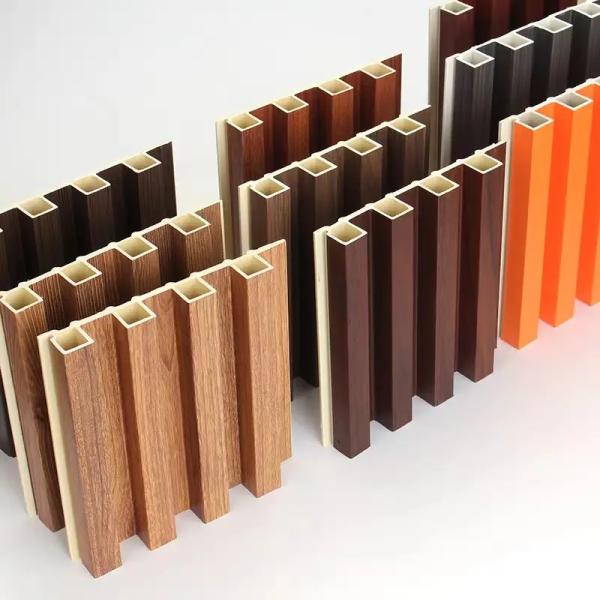
Fire safety nerds will love this part – these panels meet strict flame retardant standards without that plastic-y look. I recently used them on a beachfront property, and the salt air hasn’t made a dent. Whether you’re doing a cozy bungalow or a sleek office complex, this material adapts like a chameleon. Honestly, the only problem you’ll have is choosing which amazing feature to brag about first!