
”
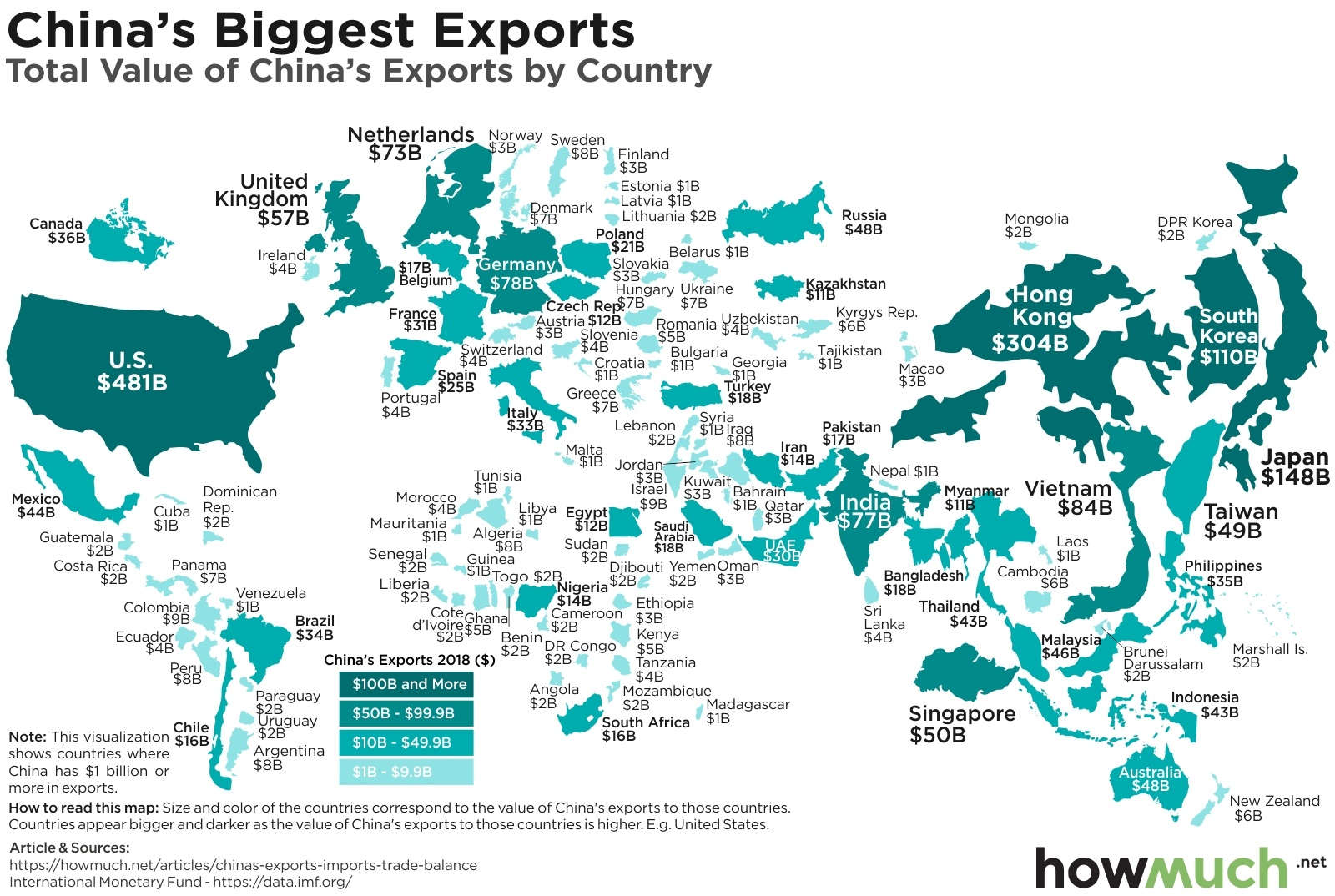
China’s position as the global leader in WPC exports often surprises first-time buyers. I’ve walked through countless factories where humming extruders spit out decking boards that look identical at first glance – but here’s the catch I learned the hard way: that “sameness” disappears faster than morning mist when you test the actual quality. While the production processes have become as standardized as morning assembly lines in Guangdong, the real story lies in what goes into the mix.
Remember that coastal factory tour I did last monsoon season? One supplier was using virgin HDPE that smelled like fresh plastic wrap, while another down the road had this faint burnt odor from recycled grocery bags. The difference shows up within a year – I’ve seen boards from cheap suppliers warp like banana peels in tropical heat. Want your outdoor furniture to last more than two rainy seasons? You need to ask the right questions about their material cocktail.
The wood flour drama’s even more fascinating. At WPC Experts, we once tested batches with different mesh sizes. The 80-100 mesh golden ratio isn’t just technical jargon – it’s the sweet spot where plastic hugs wood fibers like old friends. Too fine? You’re basically making overpriced plastic lumber. Too coarse? Congratulations, you’ve invented termite-friendly kindling.
Here’s where most importers slip up: They focus on price per cubic meter without checking the additives. UV stabilizers? Compatibilizers? Those unsexy ingredients are the difference between a board that fades like old jeans and one that stays color-fast. Pro tip: Ask suppliers to show their raw material storage – if the color masterbatches aren’t kept in airtight containers, walk away faster than from a burning firecracker stall.
Next time you’re comparing quotes, picture this: Two factories might use the same Italian extruders, but one’s feeding it restaurant takeout containers while the other uses pharmaceutical-grade polymers. Which deck would you rather have hosting your sunset barbecues? Exactly. The machinery’s just the singer – the raw materials are the actual song.
When it comes to crafting durable WPC products, the plastic selection often makes or breaks the final quality. Let me share what I’ve learned from visiting Chinese factories – you’d be surprised how much those tiny plastic pellets matter!
First-class recycled plastic is like the VIP guest in WPC production. These premium-grade materials come without impurities and create that perfect protective coating around wood fibers.  But here’s the kicker – some suppliers try cutting costs using what I call “mystery mix” plastics. We’re talking recycled grocery bags, industrial scraps, even questionable construction waste materials. Sounds risky, right?
Ever wondered why some WPC decks crack within a year? It often traces back to these lower-grade plastics. Secondary or tertiary recycled materials might save money upfront, but they bring along unwanted chemical baggage. I’ve seen batches where impurities created weak spots you could literally crumble between your fingers!
The magic happens when top-notch plastic fully encapsulates the wood flour – like a raincoat protecting against moisture. 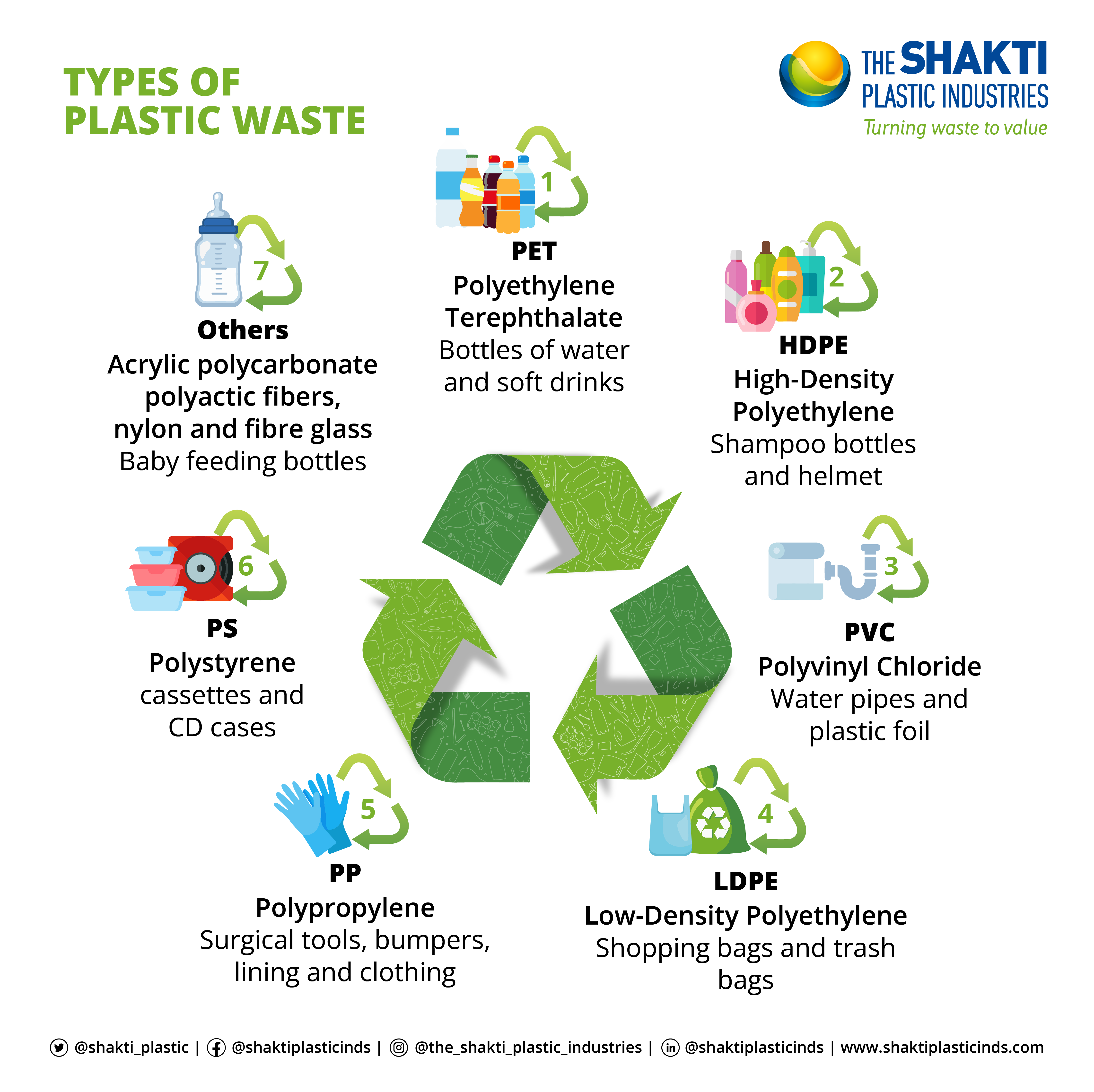 This fusion determines everything from water resistance to structural integrity. Pro tip: Ask suppliers about their plastic sources. If they hesitate or mention “mixed sources”, consider it a red flag!
From what I’ve seen, the best manufacturers treat plastic selection like specialty coffee roasters choose beans. They test multiple batches, reject inconsistent materials, and maintain strict quality controls. It’s this attention to detail that separates premium WPC from the bargain-bin stuff that warps in summer humidity.
Remember, good plastic doesn’t just hold things together – it’s the backbone of your product’s lifespan. As one factory manager told me: “We can’t cheat the material gods. What goes in the mixer comes out in the product.” Wise words for anyone specifying WPC materials!
When it comes to crafting quality WPC products, the wood flour particle size is where the magic happens – and trust me, I’ve seen enough factory mishaps to know this isn’t something you want to gamble on. Let me break it down for you in real talk.

Here’s the insider scoop: That flour in your WPC needs to be just right – like Goldilocks’ porridge. Go too fine (think powdered sugar), and you’ll be dumping extra plastic into the mix just to make it stick together. I once visited a factory in Jiangsu that used super-fine 120+ mesh powder, only to end up with pricey, plasticky boards that cracked within a year. Not exactly a bargain!
But here’s the kicker – coarse sawdust (40-60 mesh) isn’t the answer either. Sure, it’s cheaper to process, but the final product? Fragile as a cookie. The sweet spot we’ve found through trial and error is that 80-100 mesh range. It’s like the porridge that’s just warm enough – allows perfect bonding without breaking the bank.
Wondering why particle size matters so much? Picture this: Smaller particles have more surface area to coat. More coating = more plastic needed. But use too much plastic, and you lose that natural wood feel everyone loves. Get the sizing right, and you’ll create products that withstand everything from patio furniture weight to kids jumping on decking boards.
Pro tip: Next time you’re vetting suppliers, ask to see their mesh screens. The good ones usually have 80-100 mesh filters worn smooth from constant use. If they hesitate? Red flag alert! Want to dive deeper into material selection? Check out our supplier vetting guide based on 12 years of industry headaches.

Remember folks – in WPC manufacturing, size isn’t just a number. It’s the difference between a product that lasts decades and one that crumbles before your next BBQ season. Don’t let your outdoor project become a cautionary tale!
When it comes to the secret sauce in WPC production, let me tell you what really separates the pros from the amateurs – it’s all in the additives. Having visited multiple factories myself, I’ve noticed how PE-based outdoor composites absolutely rely on inorganic color pigments 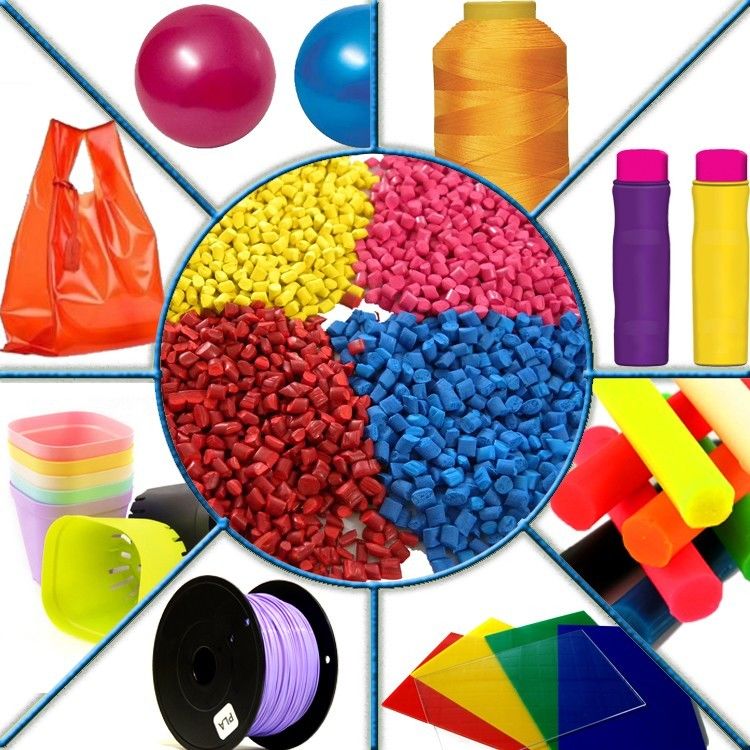 for that sun-resistant staying power. Unlike the organic dyes used in indoor PVC products that fade faster than cheap jeans, these mineral-based pigments laugh in the face of UV rays.
Here’s something most suppliers won’t tell you – that UV absorber additive is like sunscreen for your decking. Without it, even the best materials will age faster than a newspaper left in the rain. I remember testing samples where the UV-protected boards maintained their color three times longer than untreated ones.
The real game-changer though? Compatibilizers. These unsung heroes work backstage to make wood fibers and plastic play nice together. Think of it like a marriage counselor for materials – without proper bonding agents, you’ll end up with weak spots that crack faster than thin ice. As WPC experts note, this chemical handshake determines whether your composite will last decades or just a few seasons.
Next time you’re comparing suppliers, ask about their additive cocktail – that’s where the magic (or disaster) really happens. After all, what’s the point of using great wood flour and plastic if your formula can’t handle real-world conditions?